Start with the life the garment needs to fit
Before looking at colours or cuts, name the situations in which you would wear the item. Is it for a workday, a walk, an evening out or an ordinary afternoon? Picture a specific day, including the weather, the shoes you would choose and anything you need to carry. “I could wear this somewhere” is less useful than “I would wear this on Thursday with my usual jacket.”
Ask what gap the garment fills. Perhaps your favourite trousers need a top that works outside the house, or you want something playful for days when your basics feel too quiet. A purchase does not have to be practical in a conventional sense to earn its place. It does, however, need a believable role in your life. If you already own a similar piece, identify what this one would let you do differently.
Check fit while you move, not just while you stand
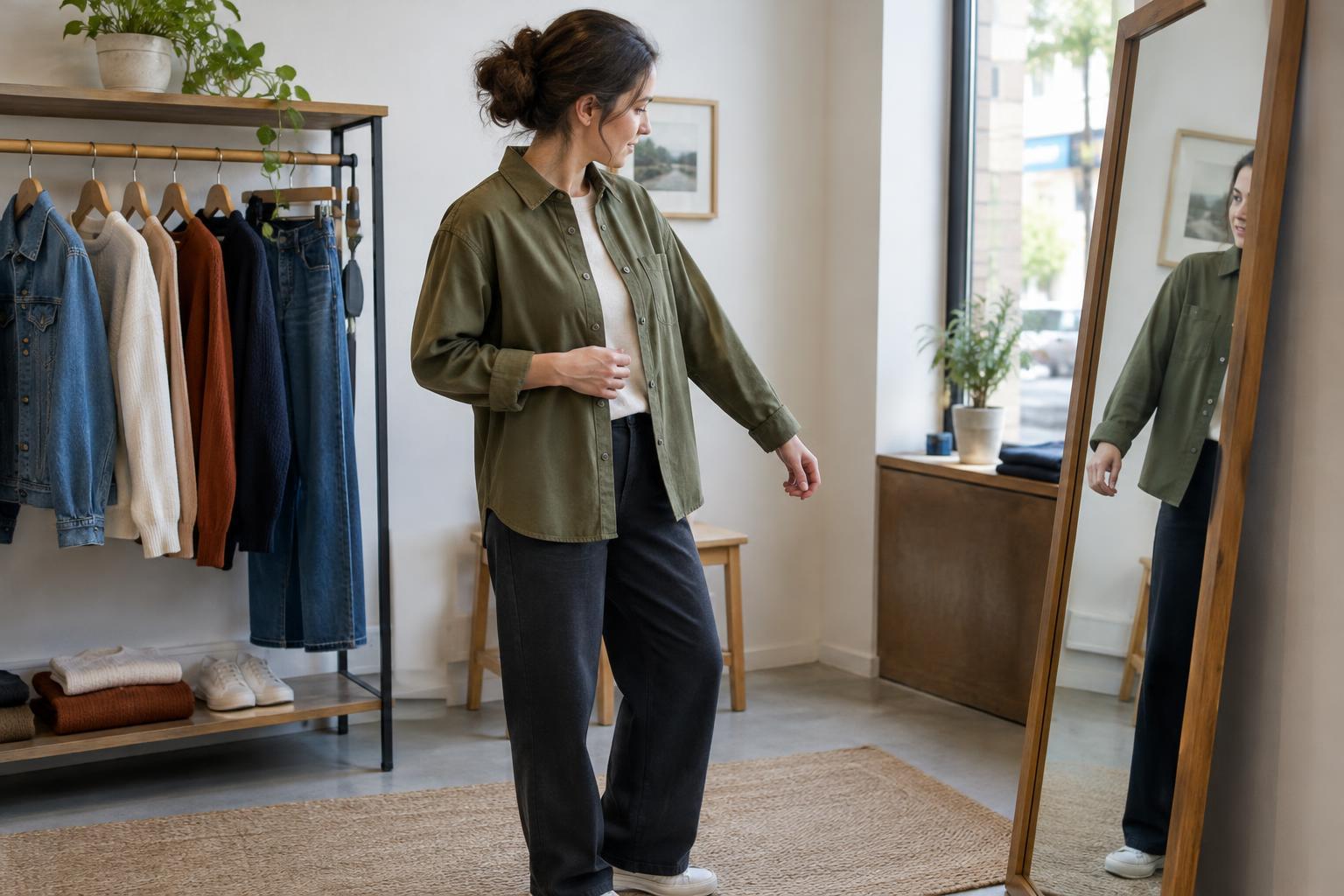
A mirror gives you one view of a garment. Try sitting, reaching, walking and bending as you normally would. Notice whether you keep adjusting a waistband, pulling down a hem or moving a seam back into place. Those small movements may become the reason you leave an otherwise appealing item unworn. Fit preferences vary, so pay attention to what feels comfortable and expressive to you rather than relying only on a size label.
Check the details that are easy to overlook: where sleeves end, whether pockets sit comfortably, how a collar feels against your neck and whether the fabric changes shape when you move. If you are considering an alteration, be specific about what needs changing and whether you are willing to arrange it. Do not count a hypothetical future fix as a reason to overlook a problem you can feel now.
Build three outfits in your head
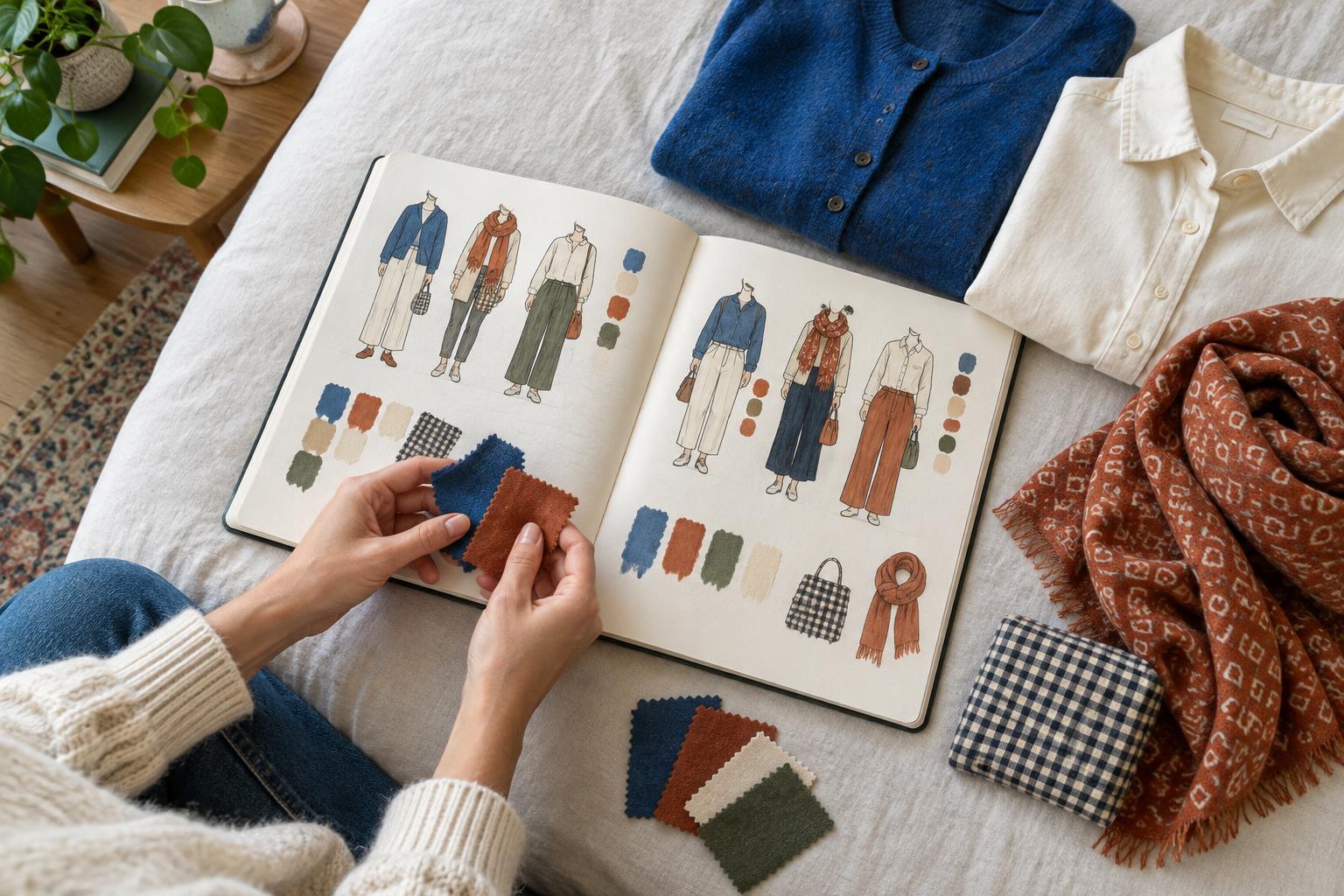
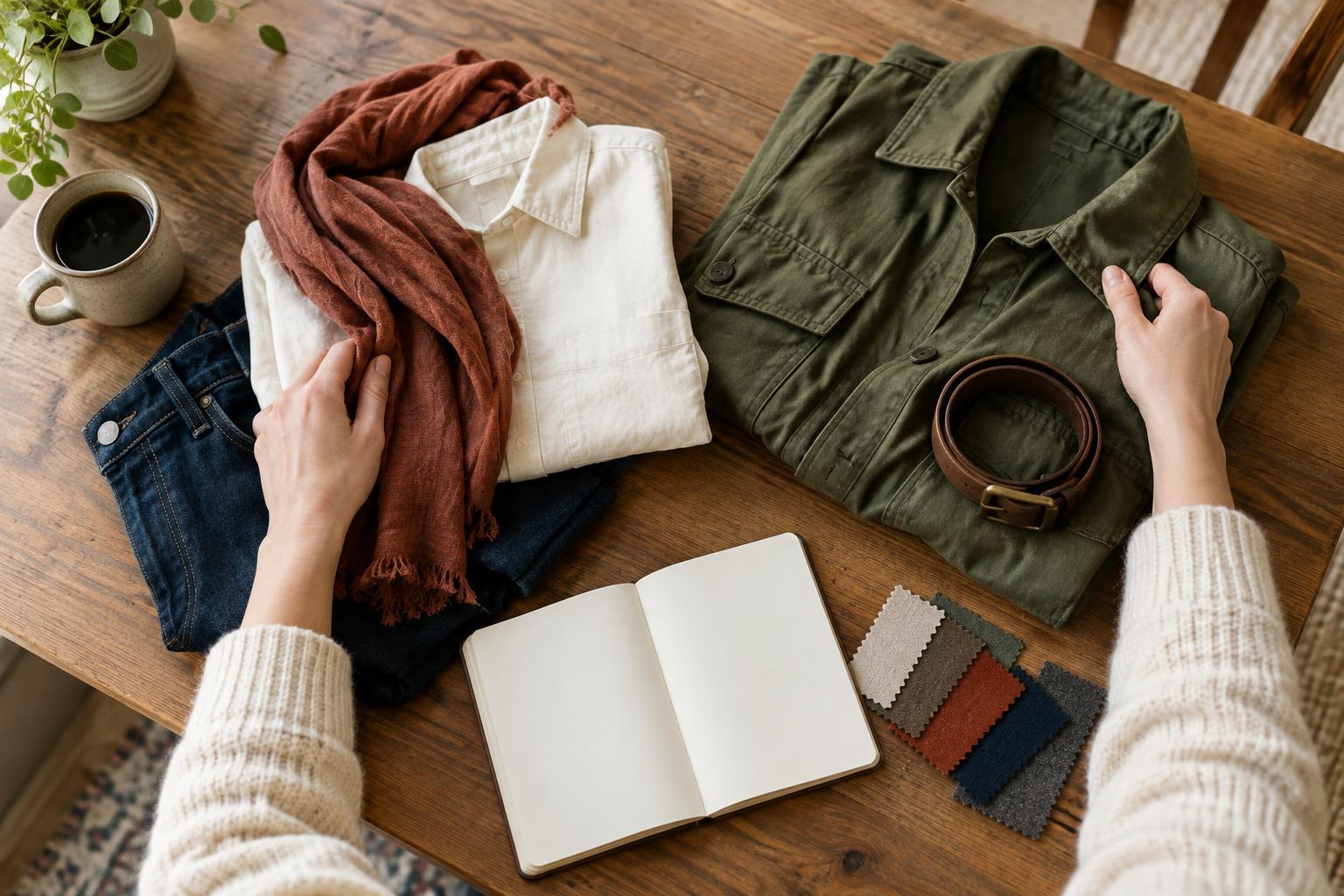
Before buying, make three outfits using clothes and accessories you already own. They need not look alike. One might be a familiar everyday combination, another a more expressive version with a statement accessory, and the third an option for a different season or setting. The point is not to impose a rule that every garment must be versatile. It is to see whether this particular piece connects with the wardrobe you actually have.
Notice what the outfits require. If every combination depends on shoes, a layer or a bag you do not own, the new item may be less ready to wear than it first appears. Colour and pattern can help here: a striking piece may pair easily with your usual neutrals, while a subtle one may give your favourite accessories more room to speak. Ask whether you like the resulting outfits, not merely whether the colours match.
Look closely at comfort and care
Touch the fabric and look at how it hangs. Does it feel pleasant where it meets your skin? Is it light or warm enough for the conditions you imagined? Check whether it is sheer in a way you would need to plan around, and whether it creases or clings in a way that matters to you. These are not universal faults; they are clues about whether wearing the piece will feel easy.
Read the care label before deciding. If a garment needs a routine you are unlikely to follow, that requirement is part of the purchase. Think about washing, drying, storage and any accessories or underlayers you would need. A piece you enjoy caring for may be worth the effort. A piece whose upkeep feels like a chore before you have worn it probably deserves another look.
Make the final decision personal
Give yourself a brief pause and ask: Would I choose this if it were not displayed as part of an appealing outfit? Do I like how I feel in it, or mainly the idea of being the person who wears it? Neither question is meant to discourage experimentation. New styles can take time to feel familiar. But there is a difference between an exciting stretch of your style and a purchase made for an imagined version of your life.
Your final checklist can be short: a clear occasion, comfortable movement, outfits you want to wear, manageable care and a detail that feels like you. That detail might be an unexpected colour, a distinctive shape or the simplicity that lets your other choices stand out. If the garment passes those checks, you have a reason to bring it home. If it does not, leaving it behind makes space for something that will.