Record outfits, not just individual pieces
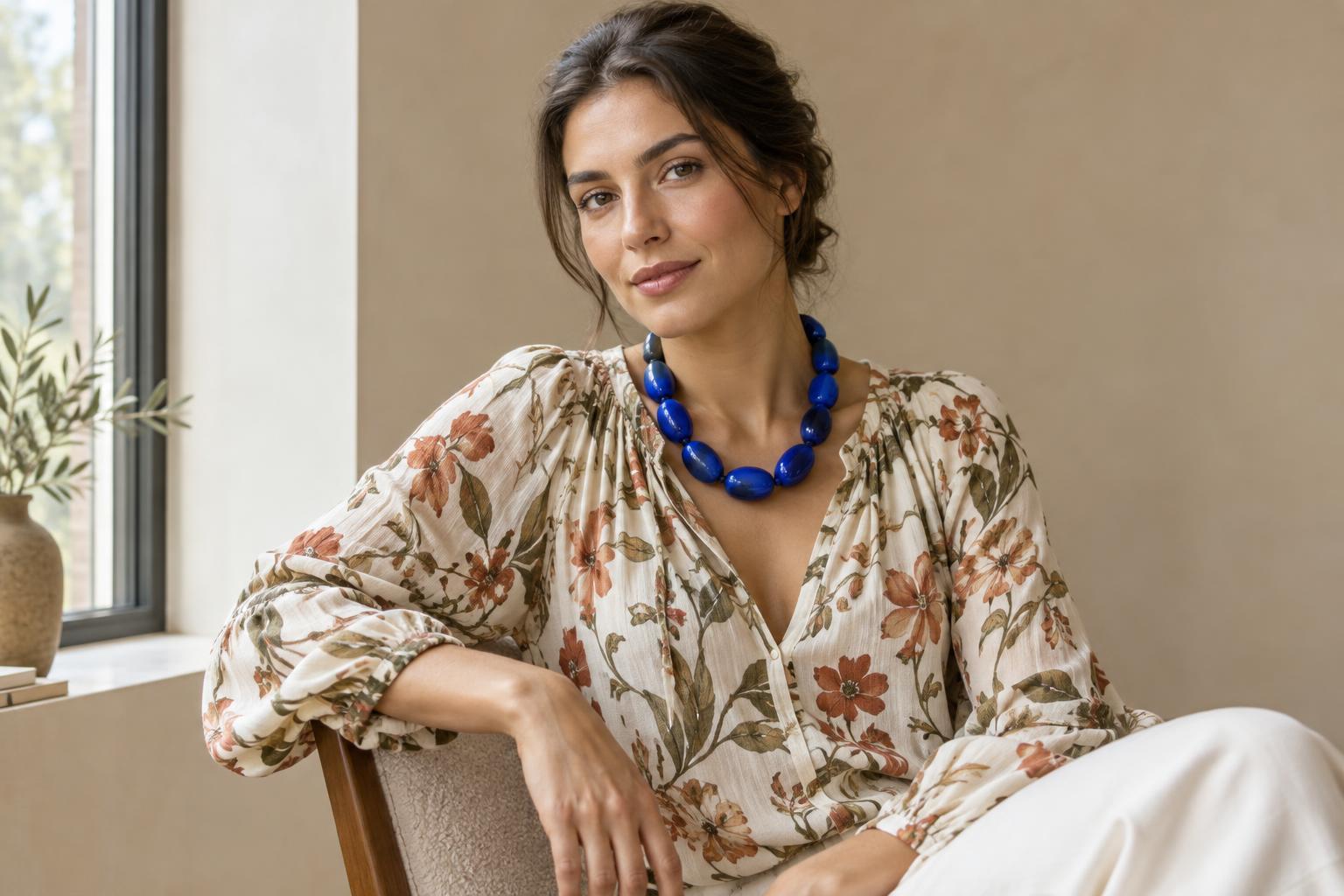
A garment can look different depending on what surrounds it. A patterned shirt might feel lively with dark trousers and quiet with light ones. Rather than collecting images of clothes you like in isolation, keep a record of complete outfits you have actually worn or tried on. A phone album, notebook or folder of printed photos is enough.
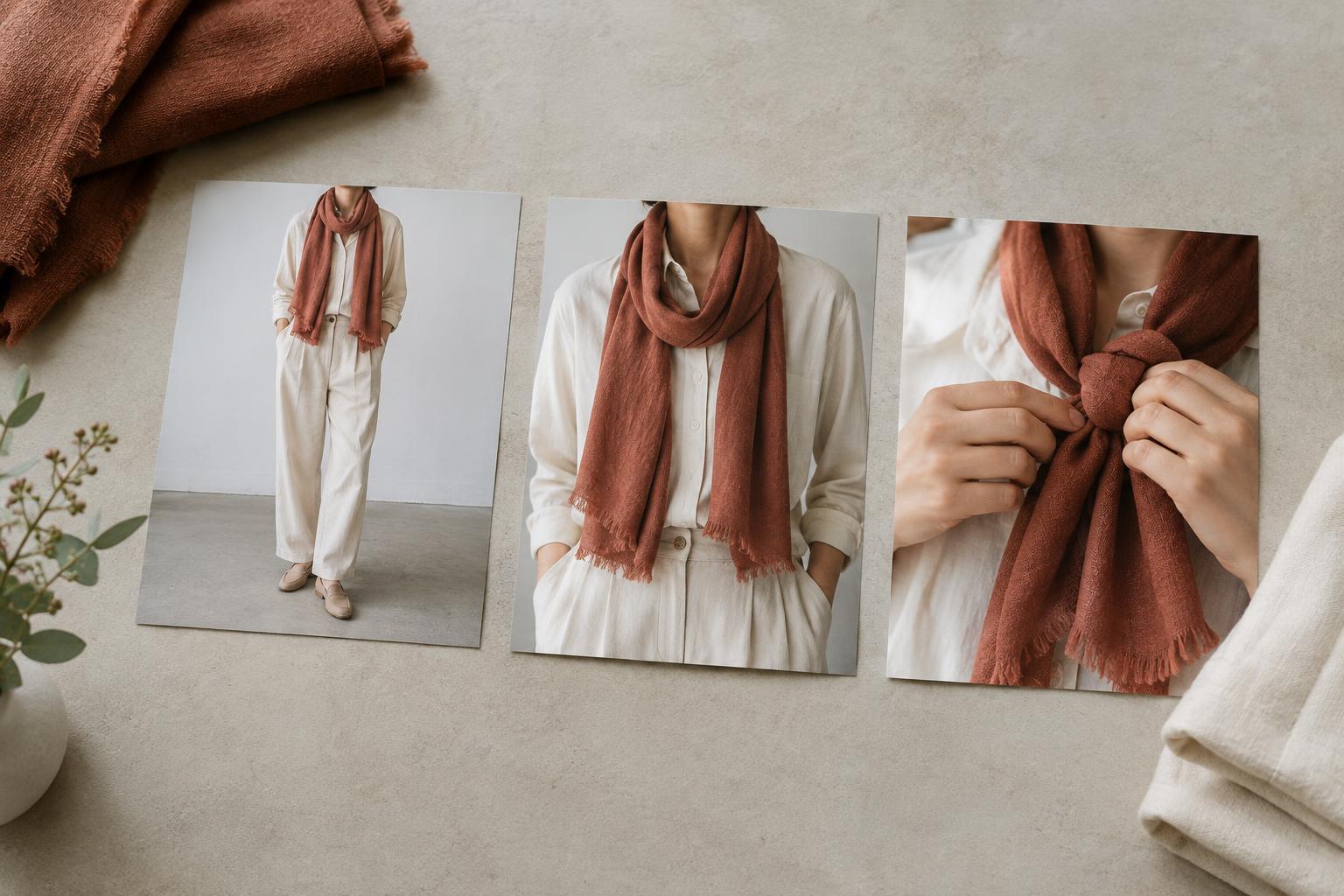
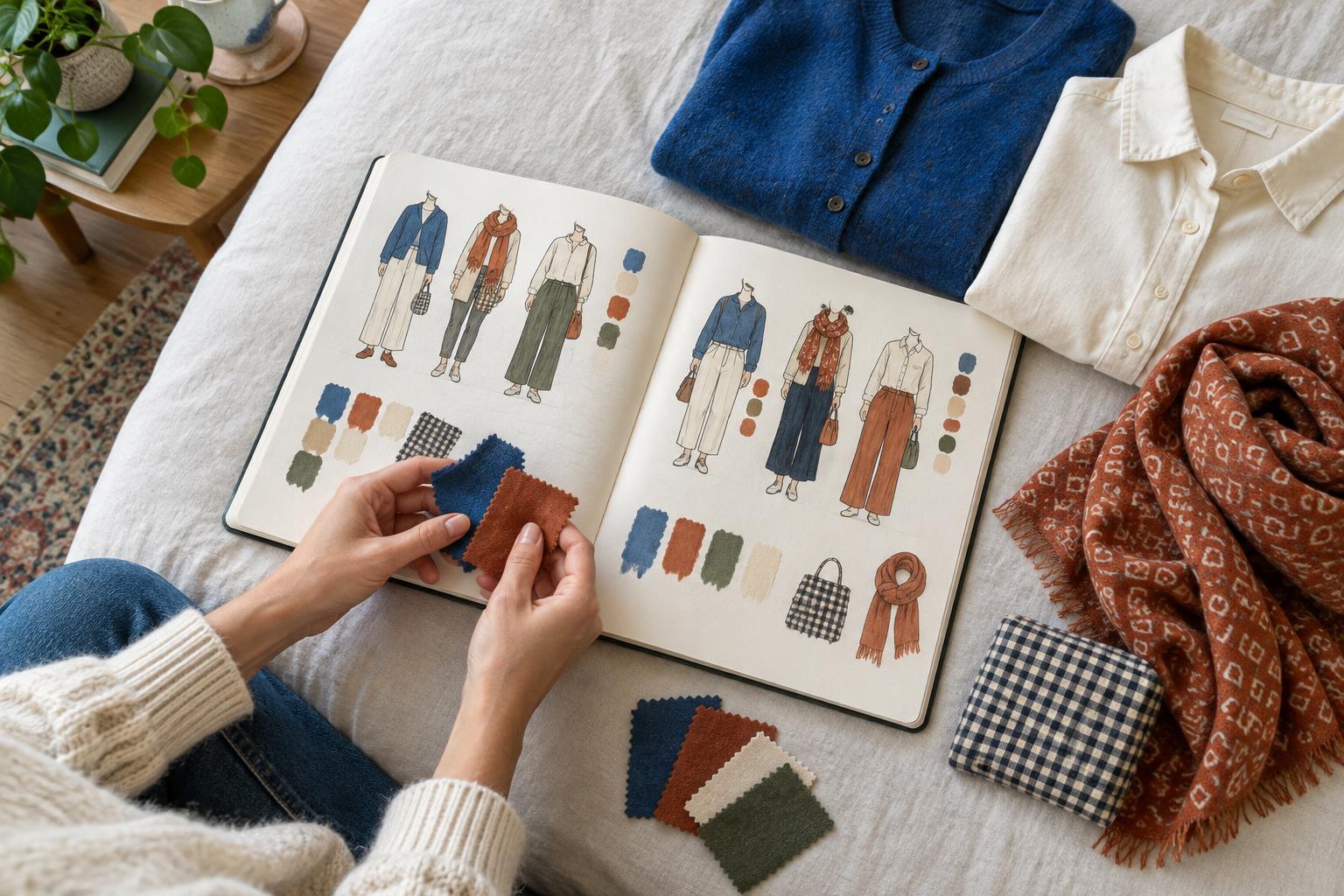
Start with five to ten outfits. Photograph each one in similar lighting if you can, and include shoes and accessories when they affect the overall look. You do not need a polished pose or a perfect background; the point is to see how the pieces work together. If you prefer not to take photos, make a quick sketch and note the main colours, the scale of any prints and where those prints appear.
Add one sentence about how you felt wearing each outfit. “I liked the colours but the scarf drew more attention than I wanted” is more useful than “good outfit.” A diary works best when it records your preferences, not a verdict about whether you followed a rule.
Notice what your eye sees first
Look back at each entry after a day or two. What catches your eye first: a bright colour, a large print, a sharp light-and-dark difference, or a small detail near your face? Then ask whether that focus matches what you intended. There is no correct place for attention to land, but the answer can explain why an outfit feels calm, energetic or slightly unsettled to you.
Try describing the outfit in plain language before reaching for colour terminology. You might write, “The pale jacket makes the printed skirt stand out,” or “The two patterned items compete because they have similar-sized shapes.” These observations give you something specific to change. If a look feels too busy, you could test one solid layer. If it feels disconnected, you could repeat a colour already present in the print with a small accessory.
Pay attention to successes as well as problems. An outfit you wear repeatedly may reveal a combination you trust: perhaps you like muted colours with one crisp pattern, or several colours when the shapes are simple. Those preferences are useful even if they do not fit a named palette.
Run one small experiment at a time
Use the diary to compare versions of the same outfit. Keep most pieces in place and change one element, such as the shoe colour, the pattern on a scarf or the shade of a top. Take a photo of both versions side by side. When you change several things at once, it becomes harder to tell which choice made the difference.
Choose experiments based on questions you genuinely have. If you own a patterned item that rarely gets worn, try it with two different background colours. If you are unsure whether you enjoy bold contrast, compare a dark accessory with a softer one. Write down which version you would reach for on an ordinary day, not just which one makes the most striking photograph.
You can also mark an experiment as unresolved. Lighting, mood and the setting in which you plan to wear an outfit may all affect your preference. The diary is a place to notice that variation, not force yourself to settle on a permanent rule.
Turn your notes into an easy-to-use reference
After a few weeks, group your entries by the question they answer: favourite colour pairings, patterns that feel easy to wear, combinations you want to adjust, and ideas still untested. Give each group a simple name you would recognize later. A short list of three reliable combinations can be more useful on a busy morning than a large collection of inspiration images.
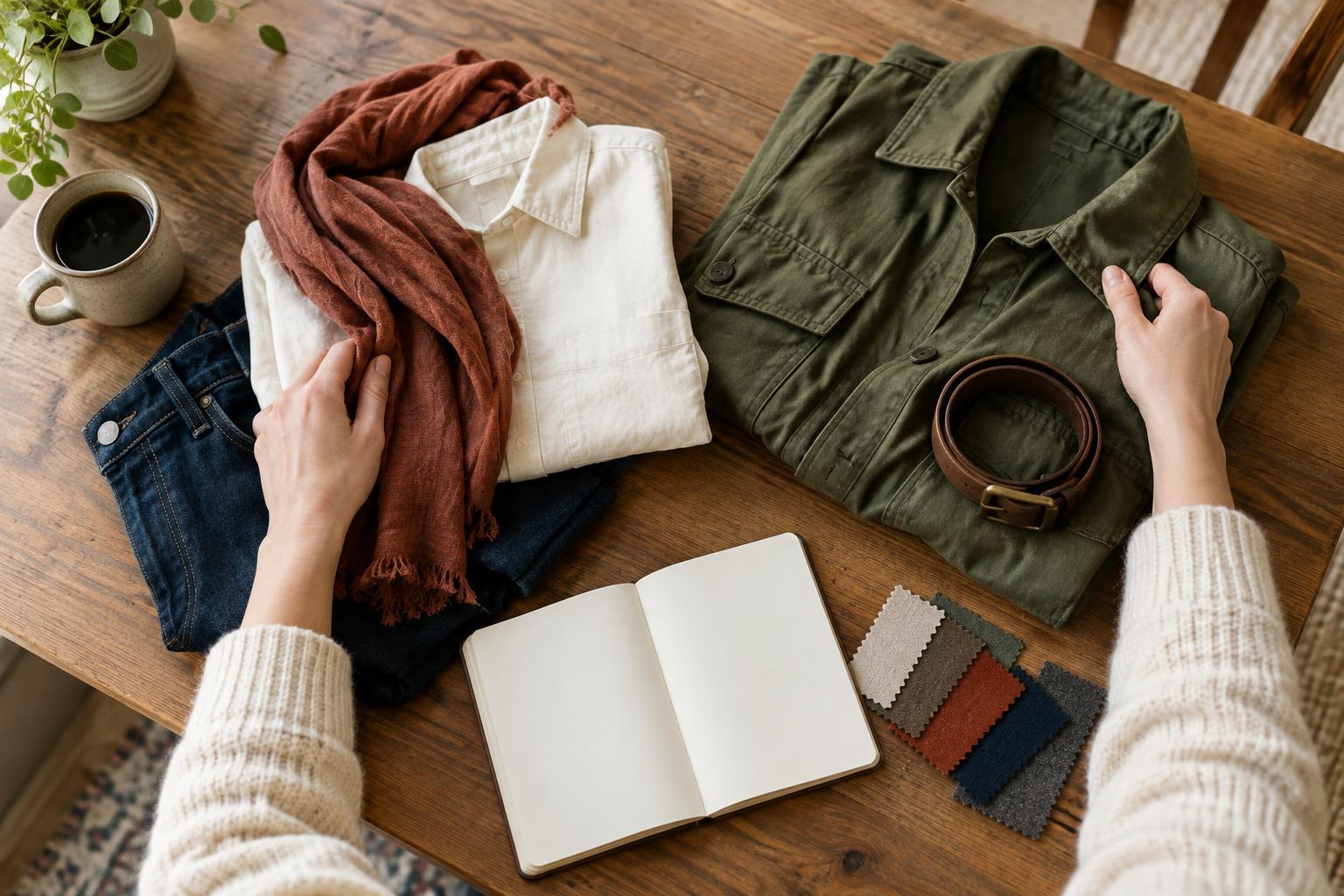
Keep the reference where you make outfit decisions. That might be a small album on your phone or a notebook near your wardrobe. If you use fabric scraps, printed photos or accessory notes, give them one designated place so the exercise does not create clutter. For more ideas about organizing physical materials, browse Home Organization · Queens Family Journal as you decide what kind of storage would be convenient.
Revisit your diary when your routines or tastes change. You may find that a combination you once overlooked now feels appealing, or that a favourite print works better in a different outfit. The aim is not to define your style forever. It is to build a record that helps you make choices with more confidence and less guesswork.