Start with outfits you have actually worn
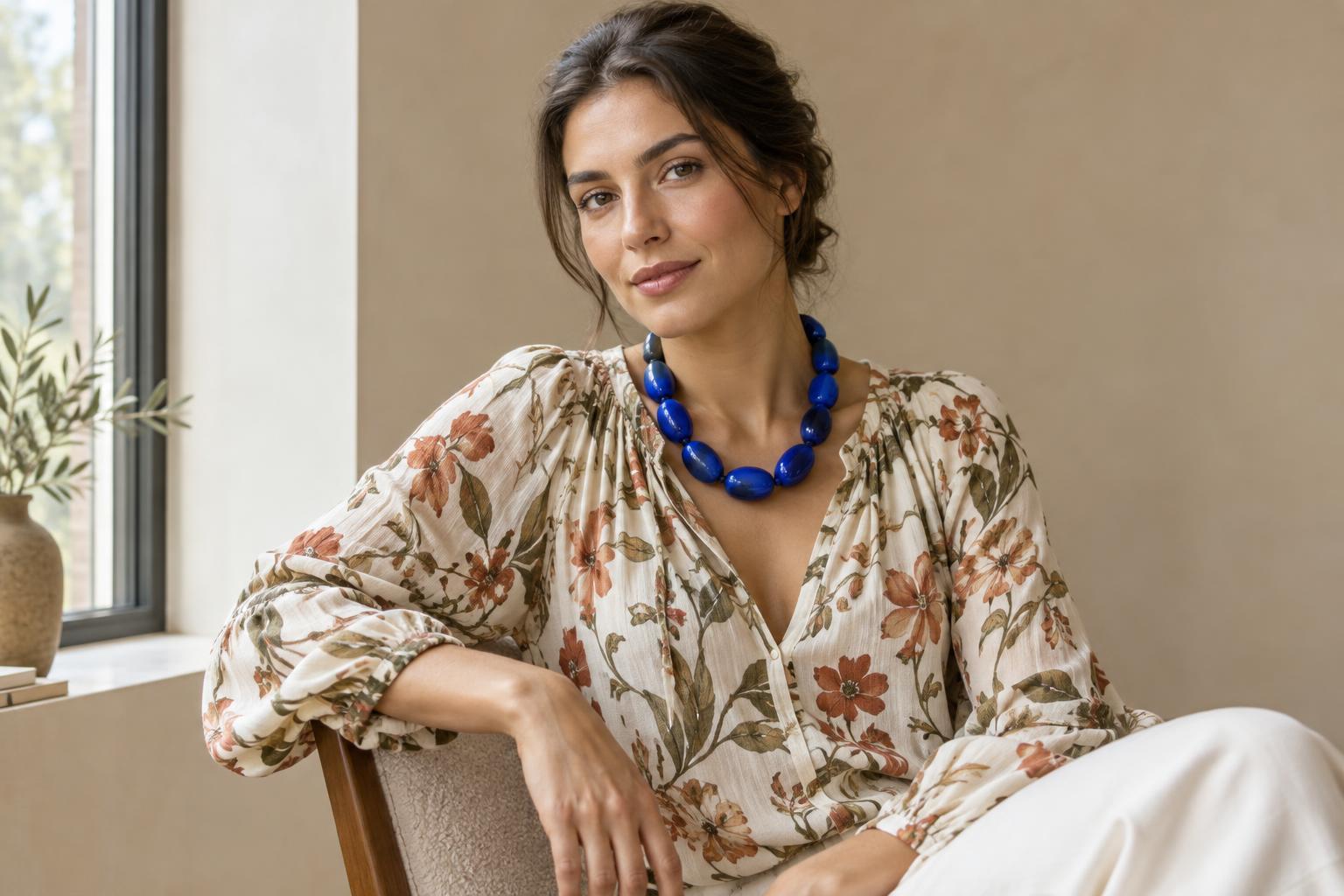
An authentic outfit does not have to look unusual or make a statement to anyone else. It is an outfit in which your choices feel deliberate and comfortable enough to let you get on with your day. You might feel especially at ease in a quiet combination of familiar pieces, or in a bright mix that attracts attention. The point of this exercise is not to settle on one fixed aesthetic. It is to find evidence of what feels like you in the life you lead.
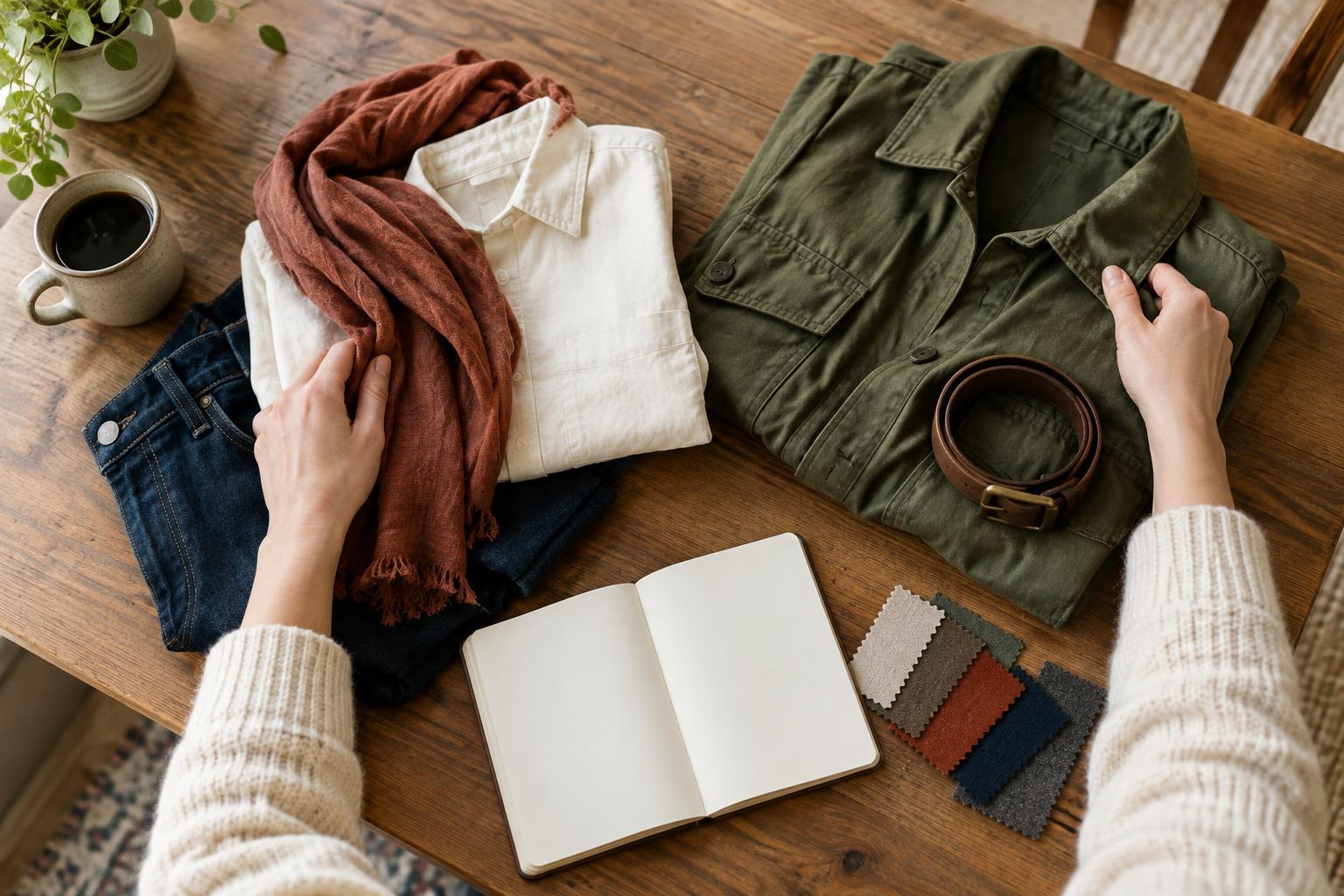
Set aside about half an hour and gather three to five outfits you have worn more than once. If the full outfits are not available, use photos or assemble them from memory. Choose examples from ordinary days as well as occasions when you made an effort. Include an outfit you enjoyed even if it would not impress someone browsing your wardrobe. These are working examples, not finalists in a best-dressed contest.
Notice what feels right before naming a style
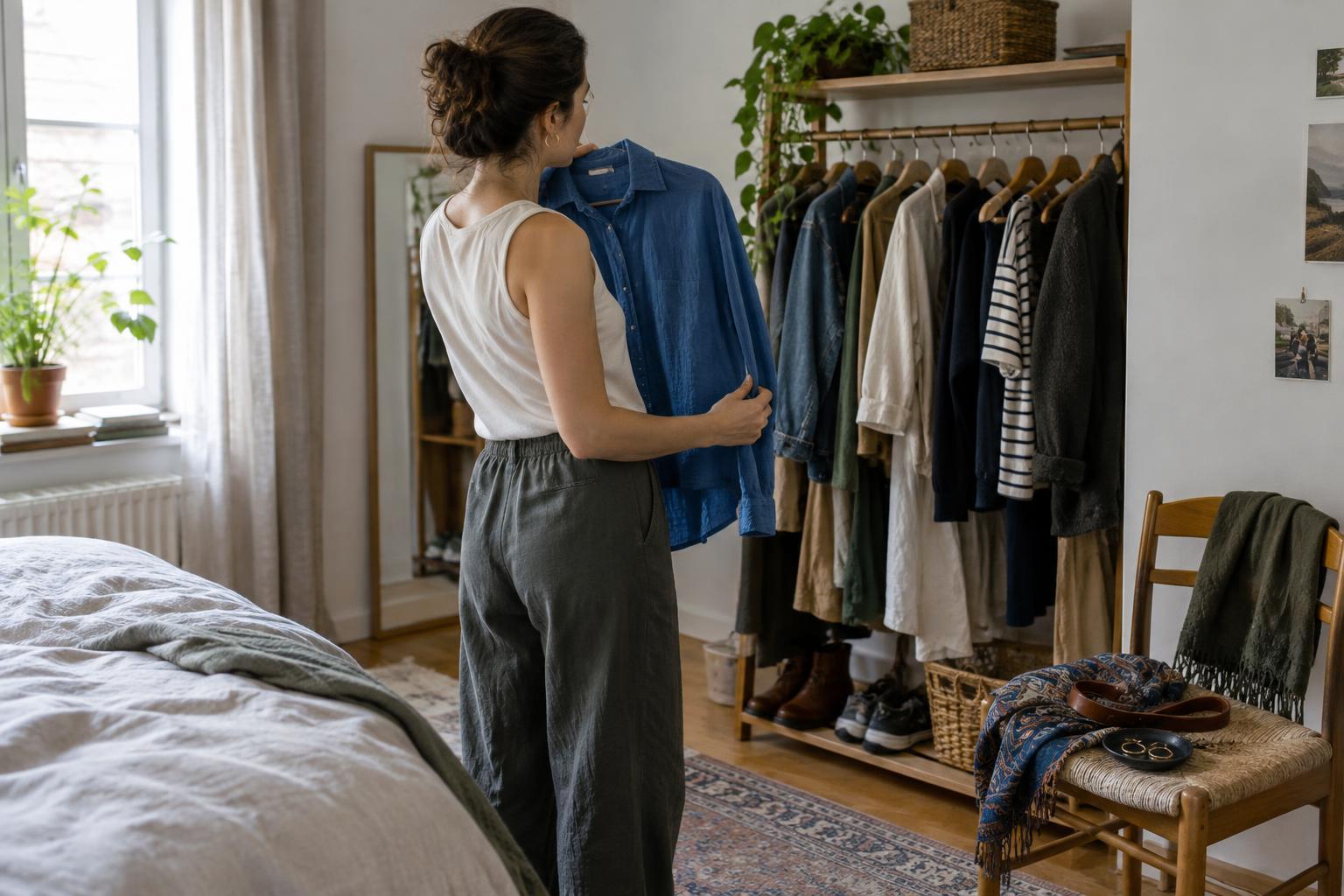
Try on each outfit, including the shoes and accessories you would normally wear with it. Move around, sit down, and imagine wearing it for a few hours. Ask yourself: What do I stop thinking about once this is on? What do I keep adjusting? Which part makes me feel more expressive, and which part is simply practical? Comfort matters here, but it is not only about softness or fit. An outfit can fit well and still feel unlike you.
Write a few plain observations for each look. For example: “The roomy trousers let me move easily,” “The earrings make this simple outfit feel intentional,” or “I like the colours, but the jacket feels too formal for my day.” Resist the urge to label a look as elegant, edgy, or minimalist unless that word helps you understand a specific choice. Describing what a piece does for you is more useful than assigning yourself a category.
Look for the choices that repeat
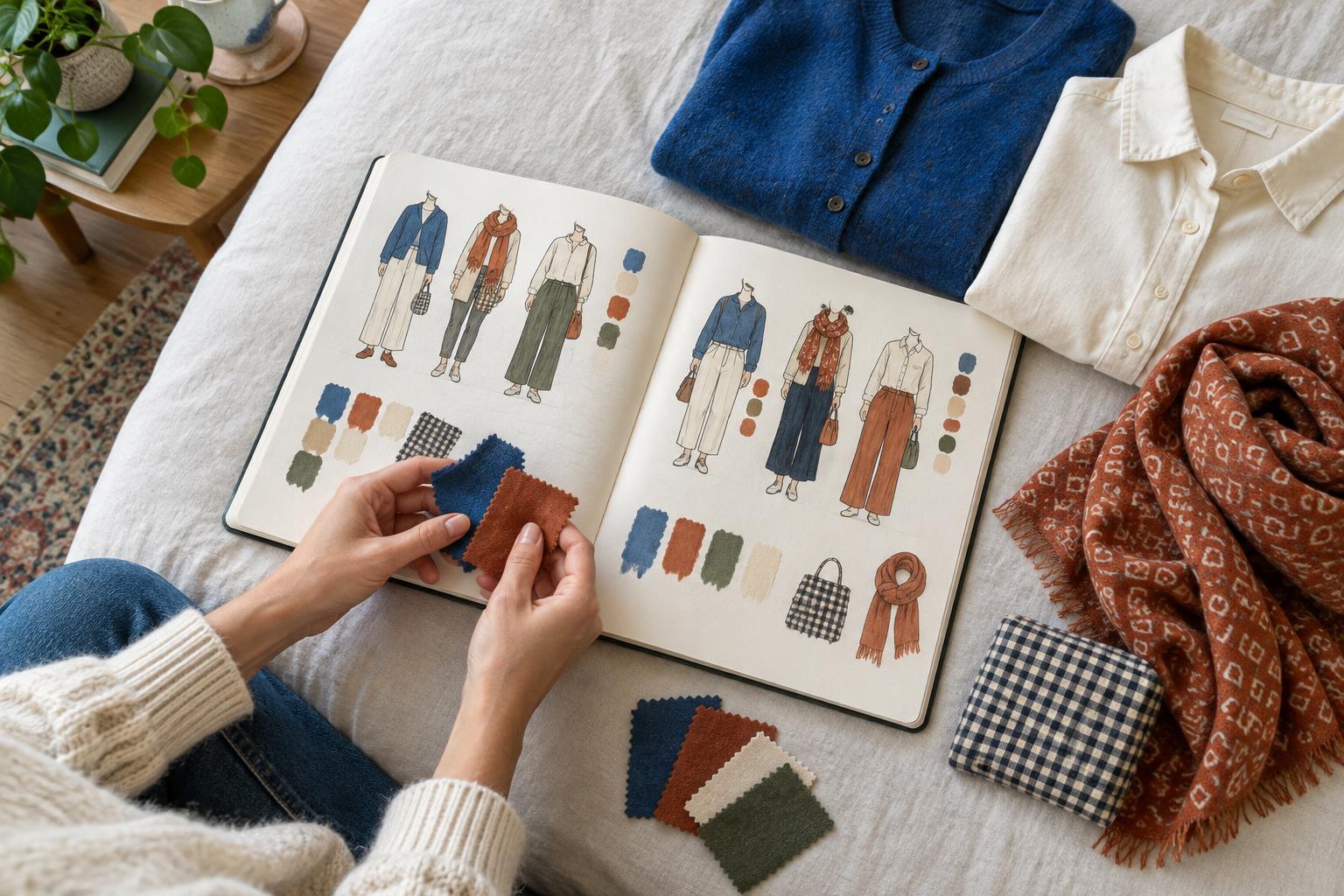
Lay out your notes and look for recurring details across the outfits you enjoyed. They might share a shape, such as a loose top with a defined waist, or a colour relationship, such as one vivid piece against quieter clothing. You might repeatedly choose textured fabrics, open necklines, sturdy shoes, layered jewellery, or a particular balance between tailored and relaxed items. Notice how you combine pieces, not just which pieces you own.
Then compare those favourites with an outfit you rarely reach for. Avoid treating it as a mistake. Ask what differs: the level of formality, the amount of colour, the way it moves, or the attention it draws. A rarely worn piece may be appealing on its own but difficult to combine in a way that feels natural. This comparison can reveal a useful preference without turning it into a rule.
Make one small experiment
Choose one outfit that feels close to right and change only one element. Swap the shoes, remove a layer, replace a patterned piece with a plain one, or add an accessory you enjoy. Wear the two versions around your home and notice what changes. Does the new detail make the outfit feel clearer, more playful, or less comfortable? A single change is easier to learn from than a complete restyle.
If you like taking outfit photos, capture both versions in similar light. The images can help you notice proportion and colour, but let your experience of wearing the clothes count just as much. A photograph may show a striking outfit that you spend the day fussing with. Equally, a look that seems unremarkable in a picture might make you feel completely at home. Neither observation needs to cancel out the other.
Turn your findings into useful prompts
At the end, write two or three short prompts for future outfits rather than a list of strict rules. You might write “Start with comfortable structure,” “Add one playful detail,” or “Keep the colours calm and let texture do the work.” Put the prompts somewhere you can see them when you get dressed. They can help you use your existing wardrobe more intentionally and judge potential new pieces by how they would work with what you already wear.
Repeat the exercise when your routines, preferences, or wardrobe change. Authenticity is not a permanent set of garments; it is the sense that your clothing supports the person you are while you wear it. The most useful result is not a perfect signature outfit. It is a clearer understanding of the choices that make getting dressed feel like an act of expression rather than a performance.