Keeping clothes for a life you rarely live
A wardrobe can look full while offering few answers to an ordinary morning. Perhaps most of your clothes suit special occasions, an old workplace dress code or a version of your routine that no longer applies. Those pieces may still be worth keeping, but they cannot do the work of comfortable, useful clothes for the days you actually have. The mistake is not owning them; it is expecting them to carry your everyday wardrobe.
Try listing the activities you dress for in a typical week, such as working, walking, meeting friends or spending time at home. Then identify one outfit you would happily wear for each. Notice where you struggle to complete an outfit. This exercise is not a reason to buy everything missing from the list. It helps you see whether your most accessible clothes match your real needs before you decide what, if anything, to change.
Buying appealing pieces without imagining an outfit
A striking garment can express a lot on its own, but it still has to live alongside the rest of your clothes. A top you love in a shop may be difficult to wear if it needs a particular layer, shoes or occasion you do not have. Repeated purchases like this can leave you with individual favourites but few combinations you can reach for without thought.
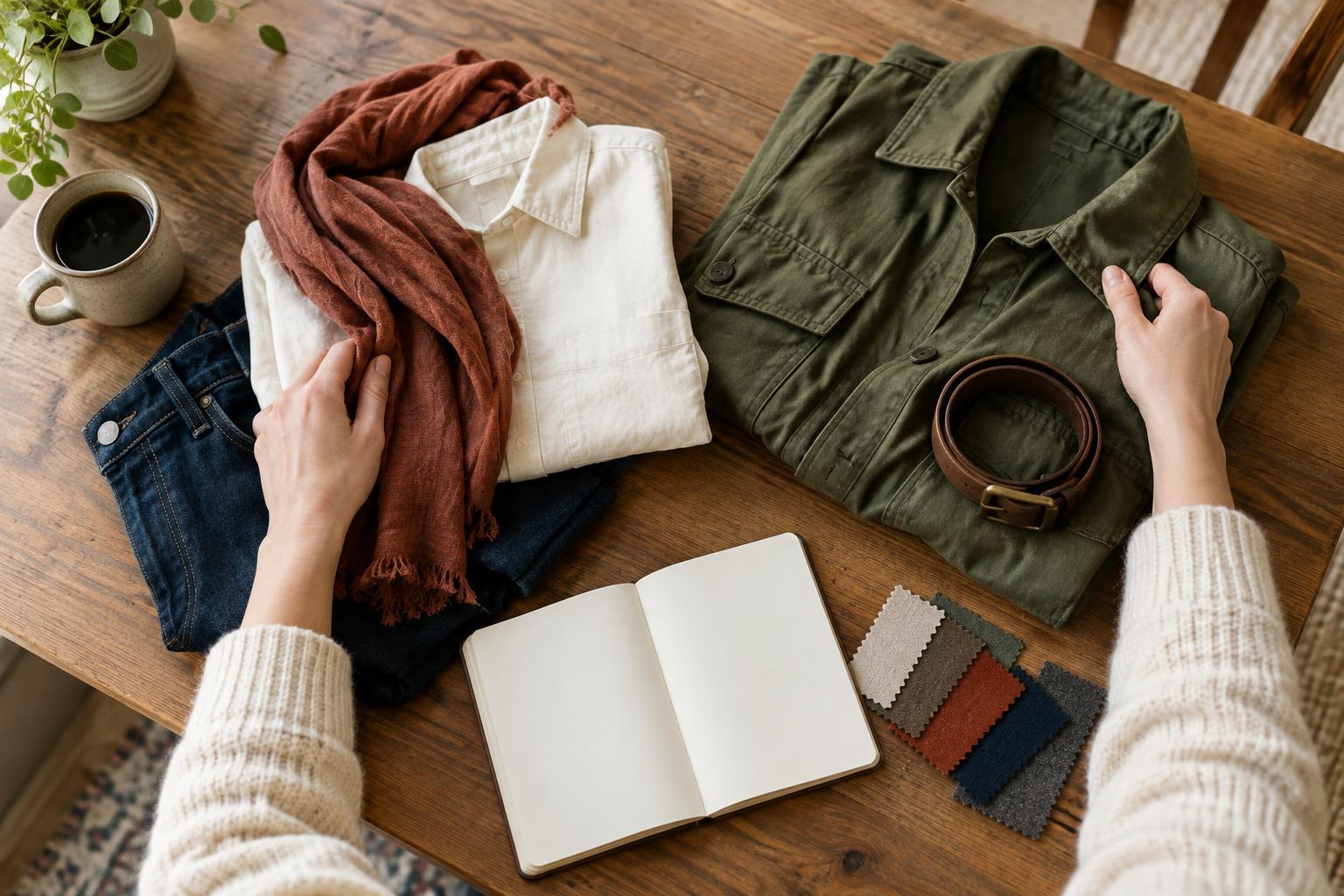
Before bringing in something new, picture two outfits using items you already own. Think beyond colour: consider shape, comfort, weather and how much attention you want the piece to draw. If you cannot make two outfits, that does not automatically mean the item is wrong. It gives you a useful question: do you want to build around it, or are you hoping it will somehow work once it reaches your closet?
Treating every item as equally ready to wear
When everything hangs together, clothes that fit well and feel good can disappear among items that need repair, are uncomfortable or require special care. You may keep trying on the same troublesome pieces, then changing out of them. This creates extra decisions before you have even begun putting an outfit together. An item can be beautiful and still not be ready for a busy Tuesday.
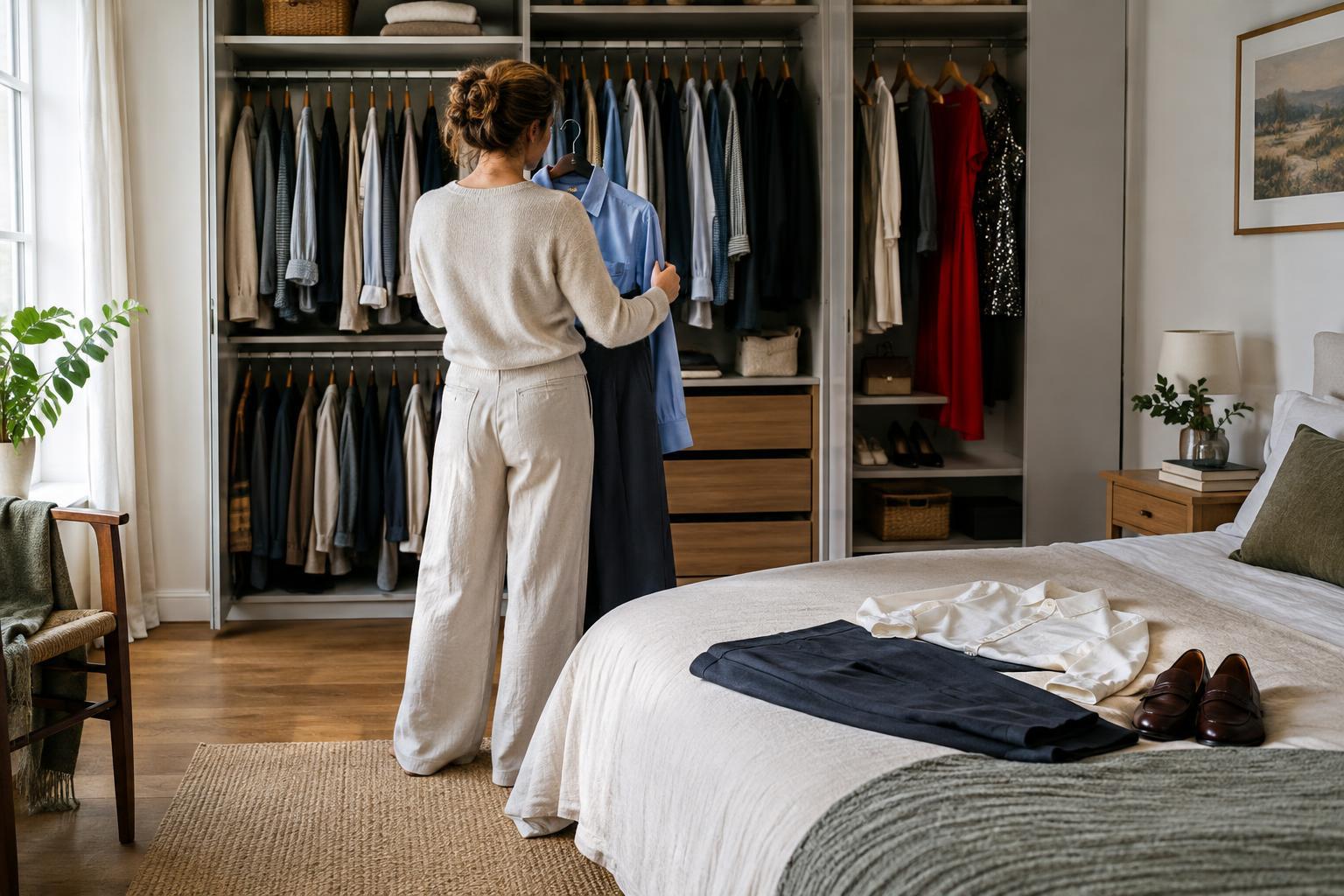
Give your most-used space to clothes you can wear as they are. Move pieces that need a button, cleaning or another small fix to a separate spot, and decide when you might address them. If something regularly feels wrong on your body, pay attention to that experience rather than treating it as a failure to style it correctly. You can keep sentimental or occasional clothes without letting them interrupt everyday choices.
Having no easy starting point for an outfit
Some people find a fixed uniform reassuring; others would feel restricted by one. Either way, starting from nothing every day takes energy. If you are choosing a top, bottom, shoes, layer and accessories independently, the number of possible combinations can feel larger than the number of outfits you actually enjoy. A starting point gives you direction without taking away your individuality.
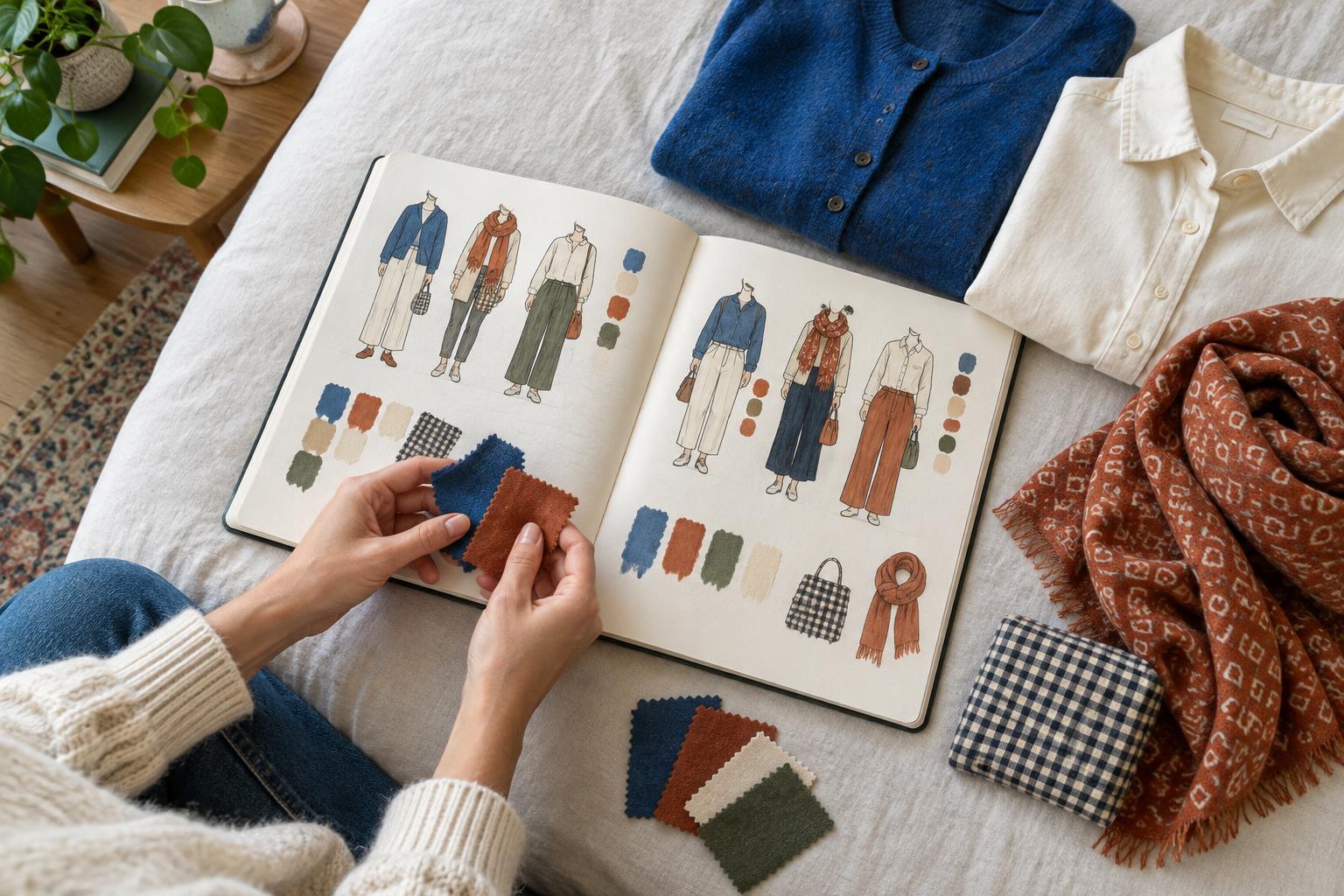
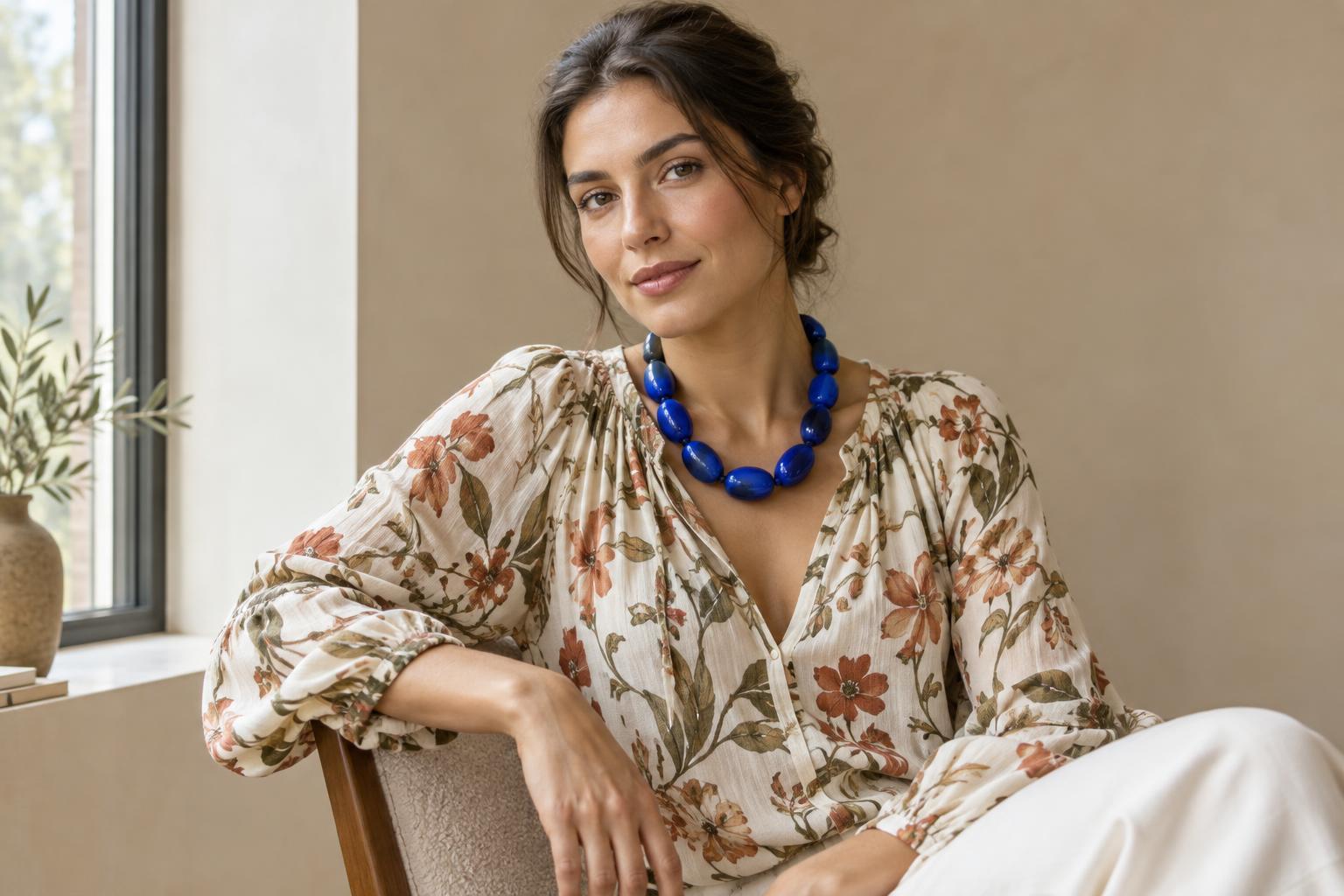
Build a small set of outfit starting points from clothes you already wear: perhaps a roomy shirt with straight trousers, a dress with flat shoes, or a simple top with a bold necklace. Take a photo or write down each combination, including the layer you need for cooler weather. On a rushed morning, choose a starting point first. Then make one change to suit your mood, such as swapping a colour, texture or accessory.
Expecting every outfit to say everything about you
Personal style does not require every look to be your most original one. When you expect a single outfit to communicate all your tastes at once, a practical choice can feel too plain and a more expressive choice can feel overworked. You may end up changing repeatedly, not because anything is wrong, but because you are asking your clothes to settle too many questions at the same time.
Try giving each outfit one expressive job. A bright scarf might carry the colour; an unusual bag might provide the shape; a patterned shirt might tell the story while everything else stays quiet. Some days the job can simply be to help you feel comfortable and present. After wearing an outfit, note what felt easy and what you kept adjusting. Over time, those observations can tell you more about your style than rules about what you should wear.