Treat references as clues, not instructions
A style reference is any image or object that helps you notice a visual preference. It might be an outfit, a film still, a book cover, a room, or the colour of a painted doorway. The point is not to reproduce the whole image. It is to ask what caught your attention: the shape, the contrast, the mood, or one small detail.
That distinction makes inspiration more useful. If you save a photograph because you like its relaxed silhouette, you do not need the same jacket, shoes and hairstyle. You might discover that generous shapes make you feel at ease, then explore that idea with clothes you already own. The reference starts a conversation with your preferences; it does not settle every choice for you.
Collect widely, then name what repeats
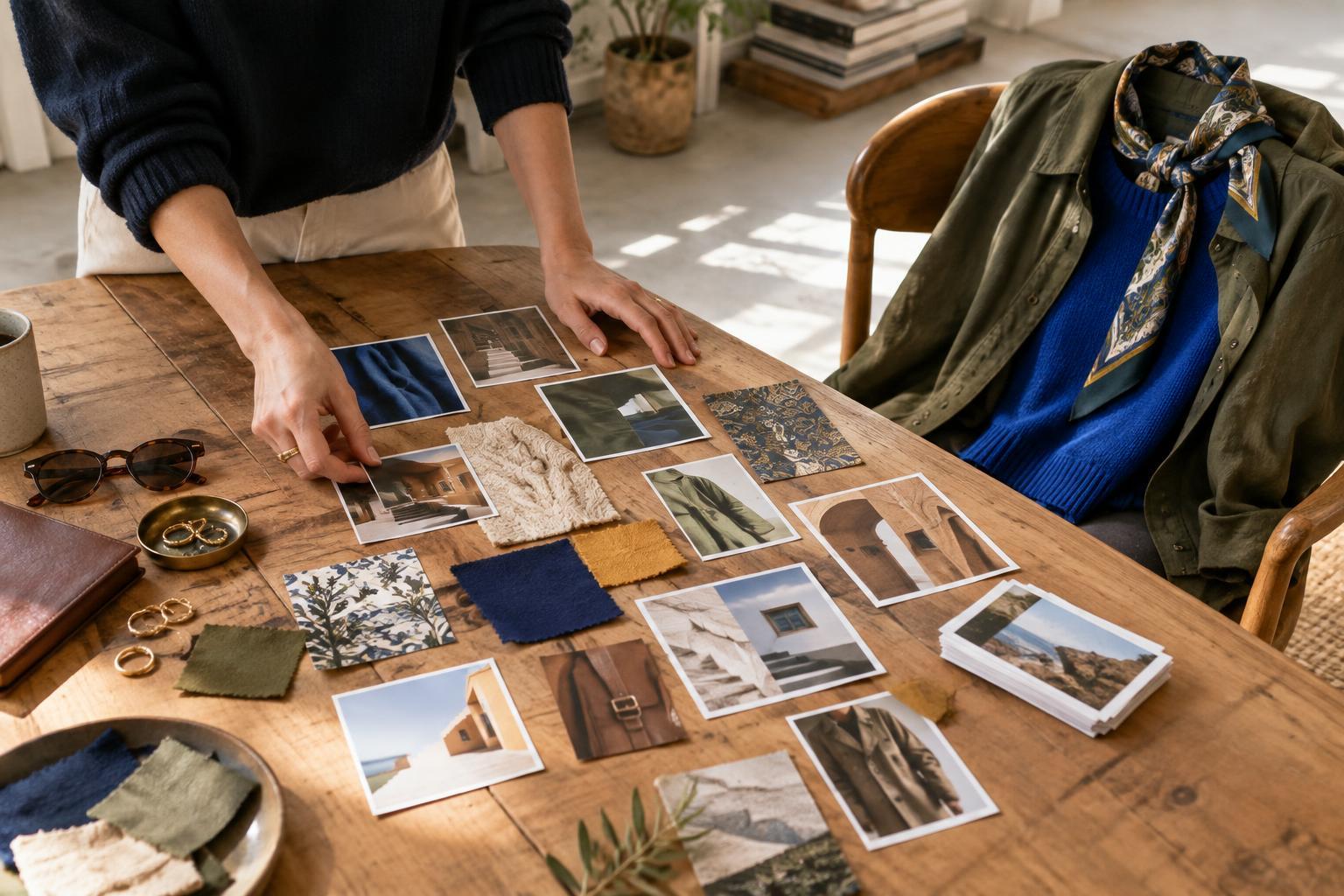
Start a small reference collection of around a dozen images. Choose them quickly, without trying to prove they belong together. Include clothing, but leave room for other visual material: packaging, paintings, interiors or everyday scenes. A broad collection can reveal preferences that a folder of outfits alone might hide. If you can, keep a short note about where each image came from so you can return to its context.
Next, look across the collection rather than studying one image at a time. Write down recurring features in plain language. Perhaps you keep saving crisp collars, soft layers, uneven combinations of colour or a single bright accent against a quiet background. Separate what you see from how it makes you feel: “rounded shapes” is an observation; “approachable” is an interpretation. Both can guide you, but they serve different purposes.
Finish by choosing three words for the direction you want to explore, such as “spacious, playful, grounded.” These words are working notes, not a permanent identity. If a reference is appealing but does not fit your three words, you can still keep it. The exercise is meant to sharpen your attention, not narrow your options.
Translate the idea, not the outfit
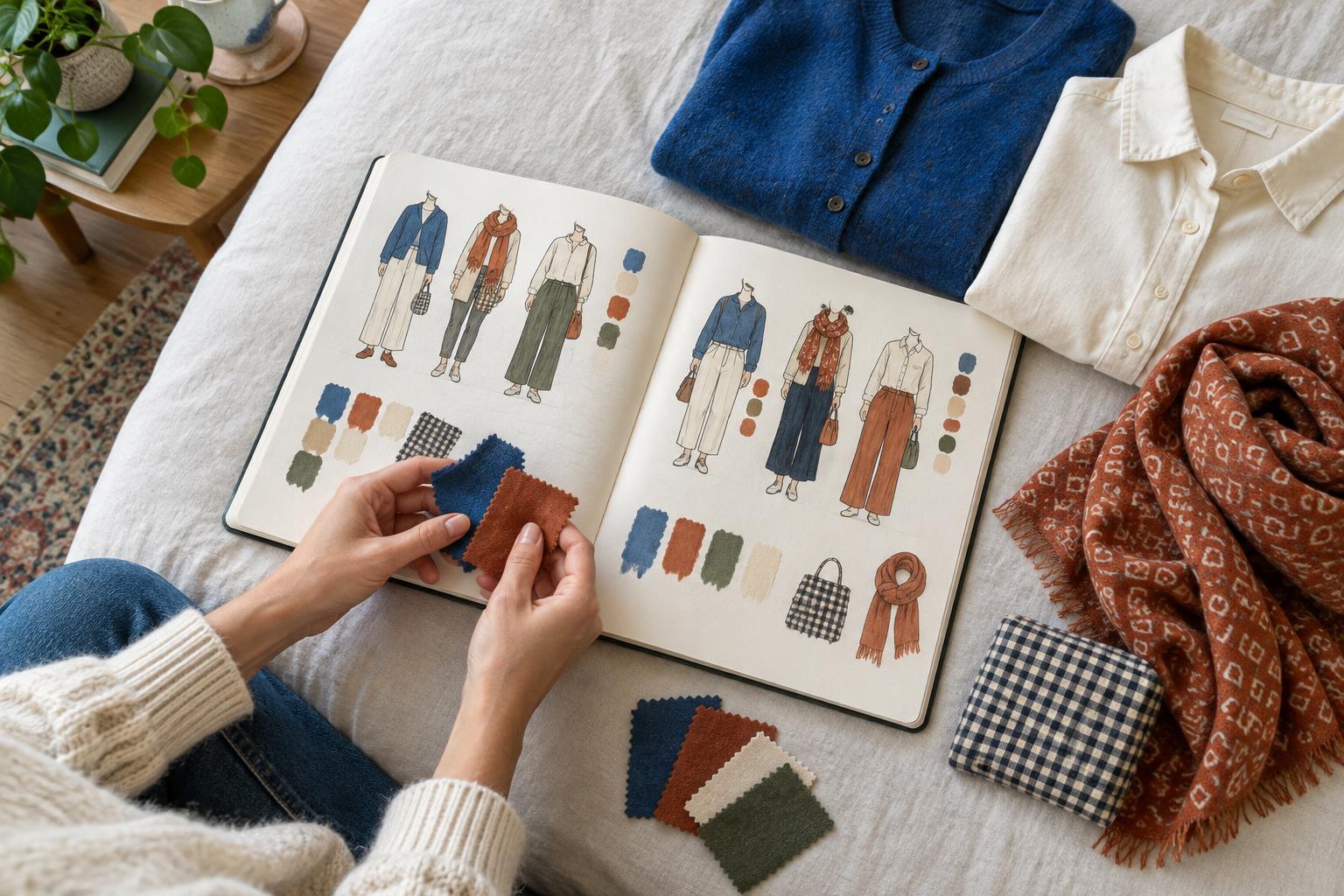
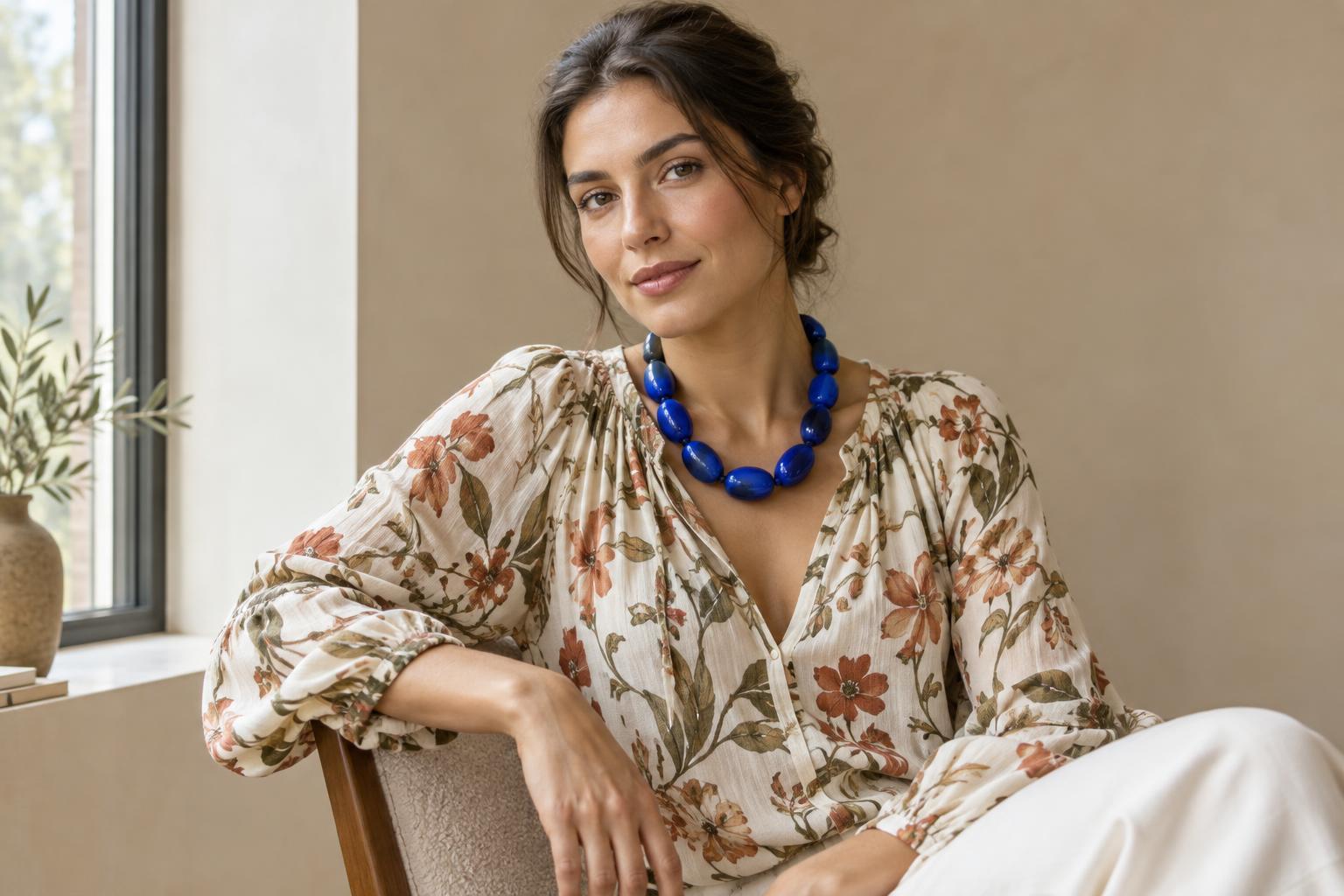
Pick one reference and list its parts: silhouette, colour relationship, texture, accessories and overall level of formality. Then choose only one or two parts to try. A picture of a sharply dressed person in a vivid red coat, for example, might inspire a defined shoulder and one strong colour. Your version could be a structured shirt with a red scarf rather than a search for an identical coat.
Translation becomes more personal when you work within your own conditions. Consider what you need to move in, what you enjoy wearing, what you already have and which details you would rather skip. You can also change the scale of an idea. A bold pattern in a full outfit might become a patterned sock or bag; a subtle colour pairing might become the main feature of yours.
If an image features a culturally specific garment, symbol or hairstyle, pause before treating it as a detachable visual detail. Learn what you are looking at and consider whether using it makes sense in your context. Sometimes the better reference is a broader principle, such as layering or contrast, rather than a distinctive element whose meaning you do not know.
Make a small experiment with what you own
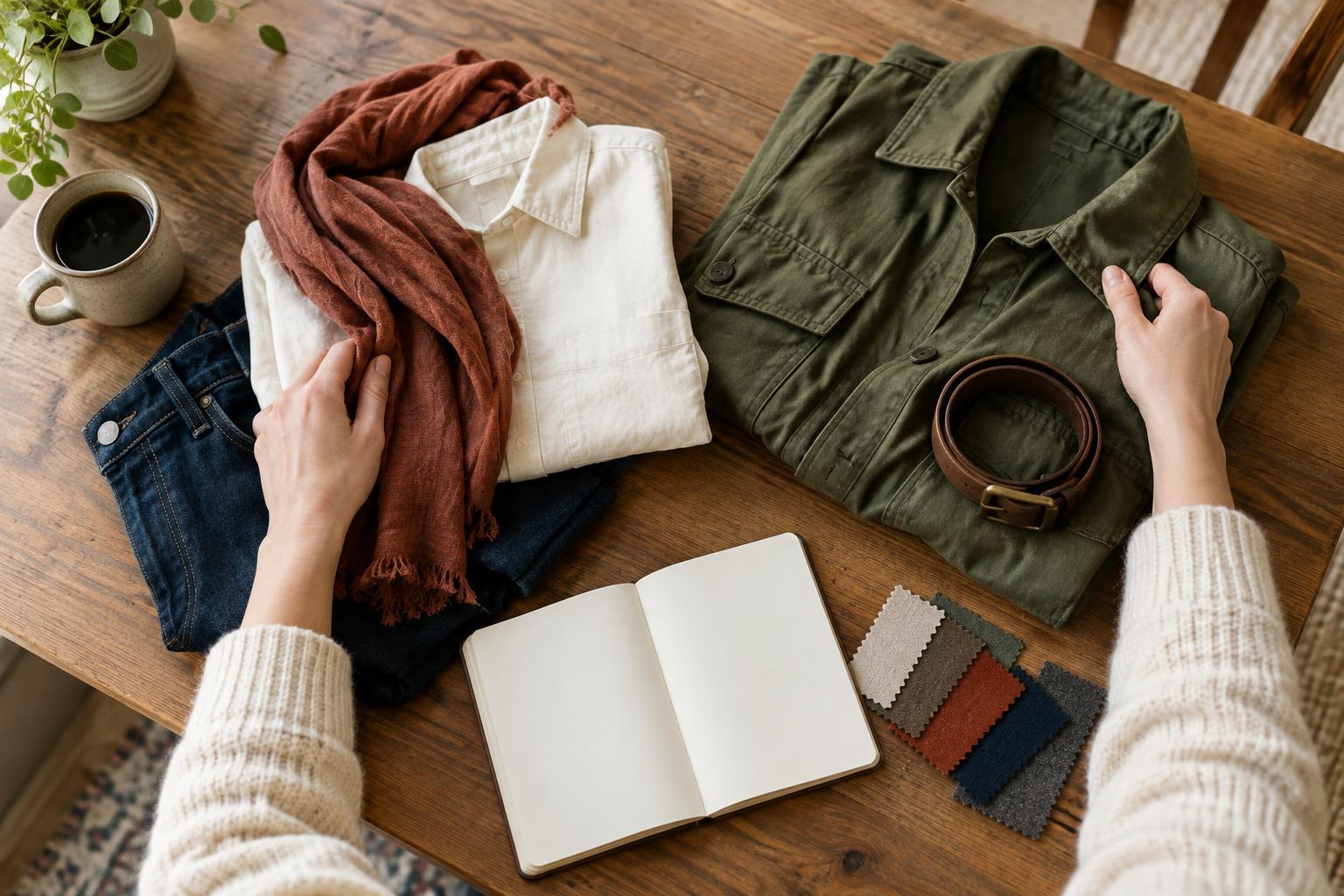
Build two outfits from the same reference idea using clothes and accessories you already own. For the first, follow the idea fairly closely: perhaps a long outer layer over a compact base. For the second, change one major decision, such as swapping the colour palette or making the silhouette softer. Comparing the two helps you see which part of the inspiration matters to you.
Wear each combination for a little while if you can. Notice practical details as well as appearance: whether you keep adjusting a layer, whether an accessory feels expressive or distracting, and whether the outfit suits where you are going. A mirror or a simple photograph may show proportions you missed while getting dressed. Keep what works, revise what does not, and resist judging an experiment as a complete verdict on your style.
Let your references change with you
Your collection is a tool, not a set of rules. Revisit it occasionally and remove images that no longer help you make choices. Add examples of outfits you actually enjoyed wearing, including ordinary combinations that might never appear in a style folder. Those records connect your visual interests to your lived experience.
The aim is not to become unrecognizable from your references; influences will sometimes be visible. The difference lies in the choices you make between seeing something and wearing it. When you can explain what you borrowed, what you changed and why it suits you, you are doing more than copying an image. You are developing a visual language of your own.