An outfit is only part of the picture
Imagine a crisp white shirt and wide-leg trousers in three places: beside a crowded kitchen table, against a plain studio wall, and on a windy seafront. The clothes stay the same, but each scene offers a different story. The kitchen suggests everyday life, the studio draws attention to shape and proportion, and the seafront may make the outfit feel relaxed or dramatic. None of these readings is fixed. They show how setting gives viewers clues about what an outfit means.
Setting includes more than a location. It also includes the objects nearby, the available light, what the wearer is doing, and how much of the scene a viewer can see. You cannot control every interpretation, especially when you wear an outfit out in the world. You can, however, notice which details reinforce your intention and which pull attention elsewhere. That awareness is useful both for getting dressed and for making images of your style.
Use the background to support a point of view
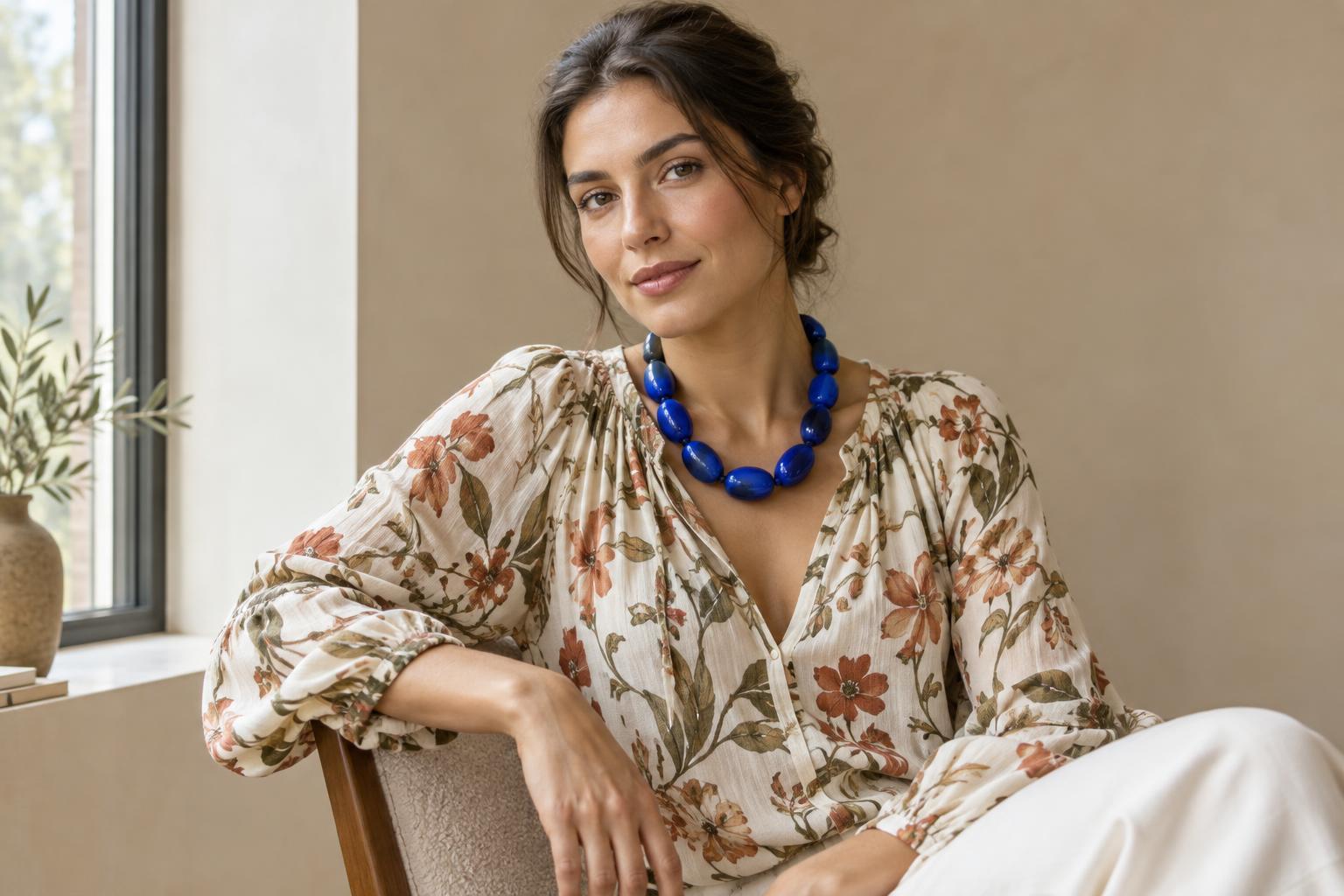
A background can echo an outfit or create a contrast with it. A patterned jacket against a quiet wall gives the print room to lead. The same jacket near tiled floors and painted signs might become part of a busy, energetic scene. Neither choice is automatically better; the question is what you want someone to notice first. If the aim is to show how a garment fits, look for a setting that leaves its outline easy to see. If the aim is to capture a mood, a more detailed background may help.
Pay attention to accidental connections between clothes and surroundings. A handbag can disappear against a wall of nearly the same colour, while a bright doorway might compete with a small accessory you hoped to feature. Before taking a picture, look at the edges of the frame and behind your shoulders. Moving a step to one side can remove a distracting object or bring a useful shape into view. You do not need a picturesque location; a familiar doorway or uncluttered corner can provide enough context.
Let light and activity add meaning
Light changes how colour and texture appear. Soft, even daylight can make an outfit feel approachable and let subtle details show. Strong directional light may emphasize folds, shine and sharp silhouettes, creating a more theatrical impression. Indoor light can shift the apparent colour of fabrics, so an image may not convey a combination quite as you see it in person. When accurate colour matters, check the outfit in the light where you plan to photograph it.
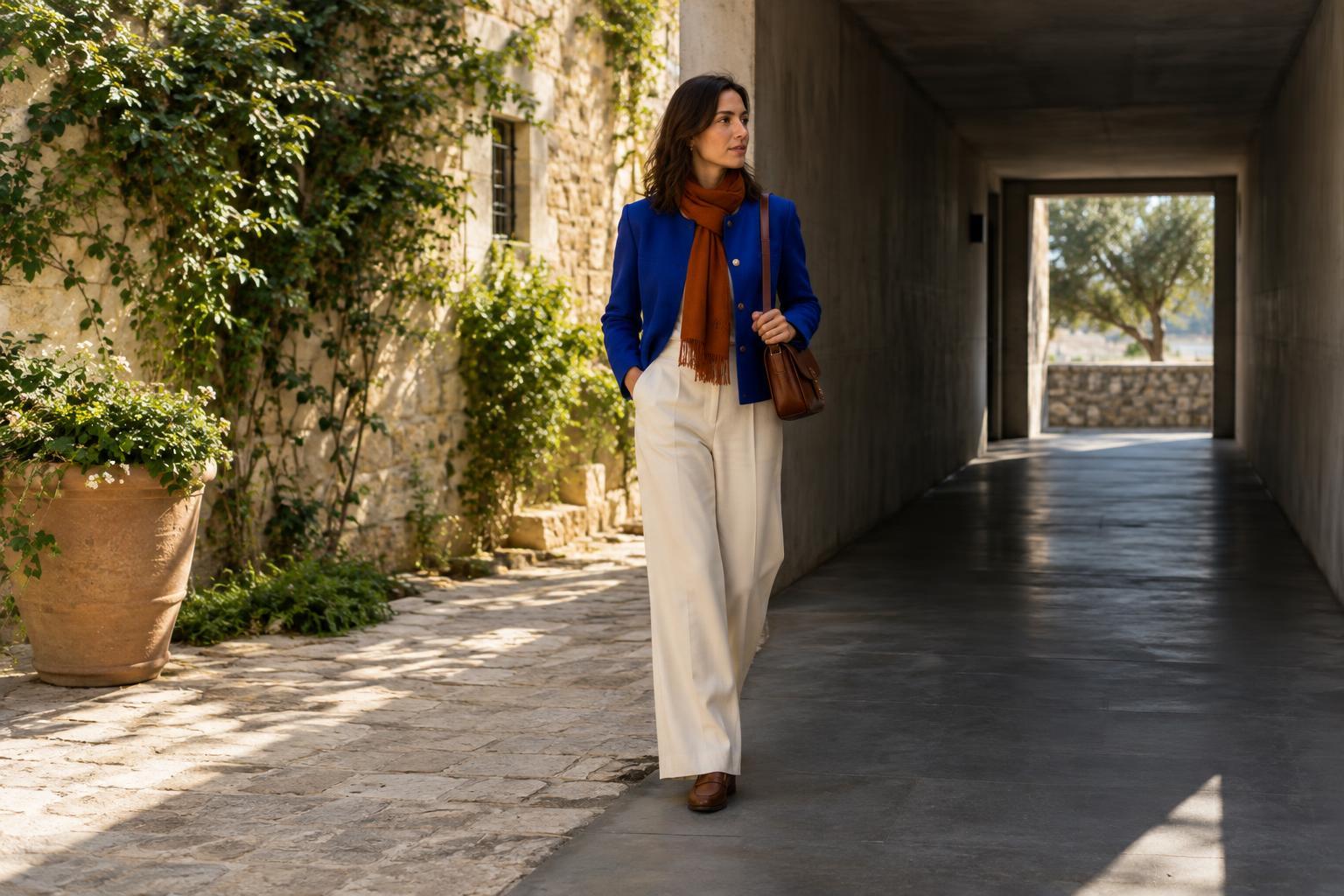
What you are doing in a setting matters just as much as where you stand. A coat photographed hanging neatly may communicate its construction; the same coat worn while walking shows movement and how it fits into daily life. Holding a notebook, carrying groceries or sitting at a café table can suggest a routine, but props feel most convincing when they belong to the activity. Rather than adding objects to make a scene look interesting, ask what ordinary action would naturally put the outfit in context.
Choose a frame that reveals the right details
A full-length view shows the relationship between garments, body and surroundings. A closer view can shift the story toward a scarf knot, a worn-in cuff or an unexpected pairing of materials. Neither frame tells the whole story. If you are documenting an outfit, consider making one image that shows its overall shape and another that shows the detail you care about most. Together, they offer more than either image alone.
The amount of space around you also affects the impression. A wide frame with room to see the street can make an outfit feel embedded in a place. A tighter frame against that same street puts more emphasis on your choices. Try not to confuse a polished photograph with an honest one: a setting can be carefully chosen and still reflect where and how you actually wear your clothes.
Try a three-setting exercise
Choose one outfit you already enjoy wearing. Photograph it in three accessible settings, such as a plain wall, a room you use often and an outdoor spot. Keep the clothes and accessories unchanged. If possible, use a similar pose and camera distance for each image so the setting is the main difference. You can do the exercise alone with a timer; the goal is observation, not a perfect portrait.
Look at the images side by side and write a few words about each. Where does your eye go first? Which setting makes the outfit feel most like you? Does any background hide a detail or suggest a mood you did not intend? Use the answers to guide your next choice, not to declare one picture correct. A useful setting is one that helps tell the story you want to tell, whether that story is quiet, playful, practical or something harder to name.