Treat belonging and individuality as two useful needs
Clothing can help you feel part of a place while also showing something about who you are. Those aims sometimes seem to compete: you may want to fit a workplace, family gathering, or creative community without looking like everyone else. The choice is rarely between complete conformity and total self-expression. Most outfits have several decisions inside them, from silhouette and colour to shoes, jewellery, and the way you combine familiar pieces.
Start by asking what belonging means in the setting you are dressing for. It might mean respecting a stated dress code, being comfortable enough to take part, or showing that you understand the occasion. Then ask what you want to keep for yourself. Perhaps you feel most like you in a certain colour, a relaxed shape, or one unusual accessory. Naming both needs makes it easier to build an outfit instead of reacting to a vague pressure to fit in.
Read the setting before choosing what to change
A setting offers clues, but it does not always provide a rigid uniform. Look for the practical requirements first: weather, movement, safety, and any clearly communicated expectations. Next, notice the general level of formality. A useful question is, “What would help me participate without spending the day thinking about my clothes?” This shifts your attention from guessing what others will approve of to choosing something that supports the experience.
Separate requirements from habits. If an invitation asks for formal dress, that is different from noticing that most people in a group happen to wear dark colours. You may decide to follow an unwritten convention, especially when you are new to a space, but it remains a choice. Where an expectation is unclear, build around a dependable base and leave room for a detail that feels personal. You can adjust how expressive that detail is as you become more familiar with the setting.
Choose an anchor, then add your signature
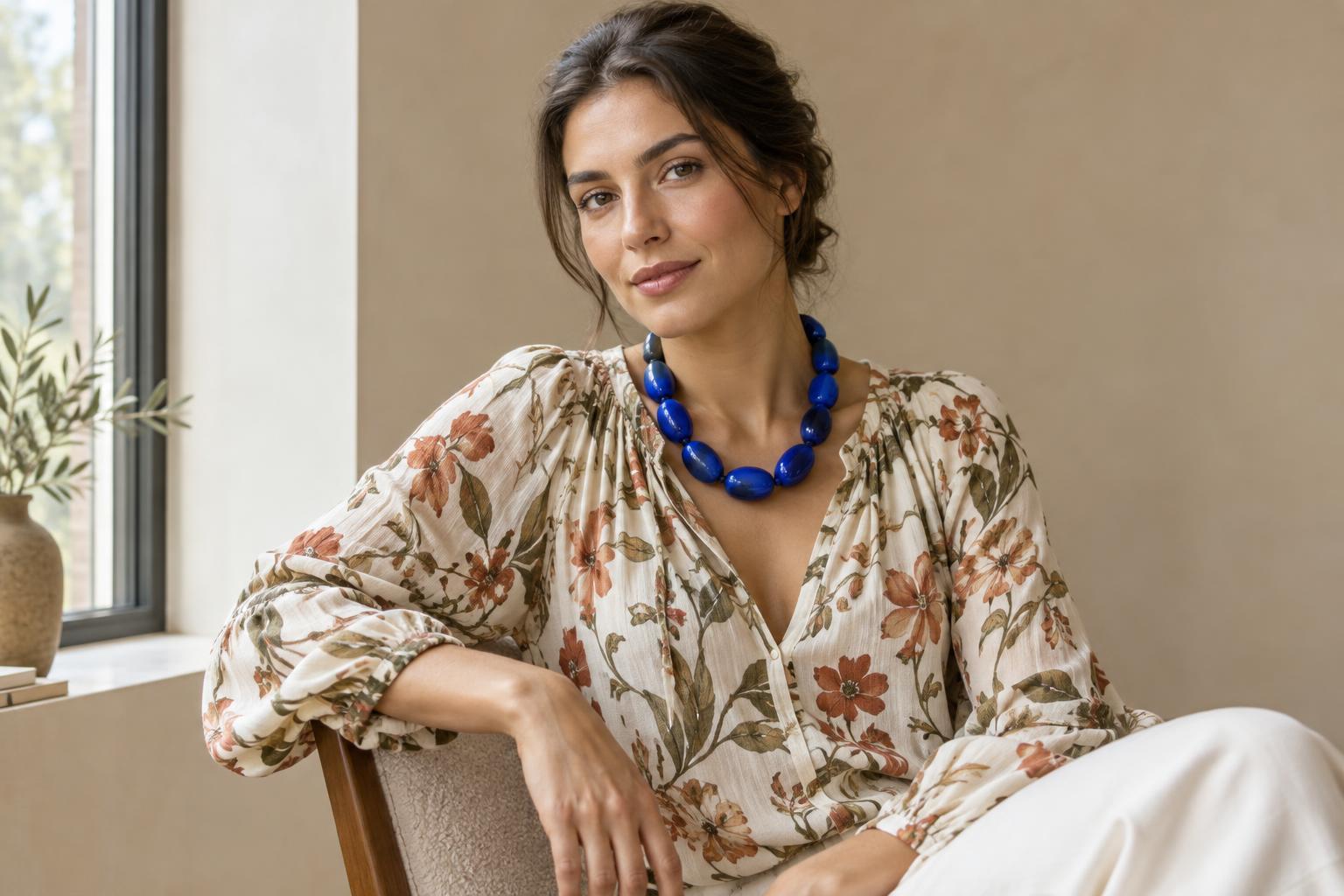
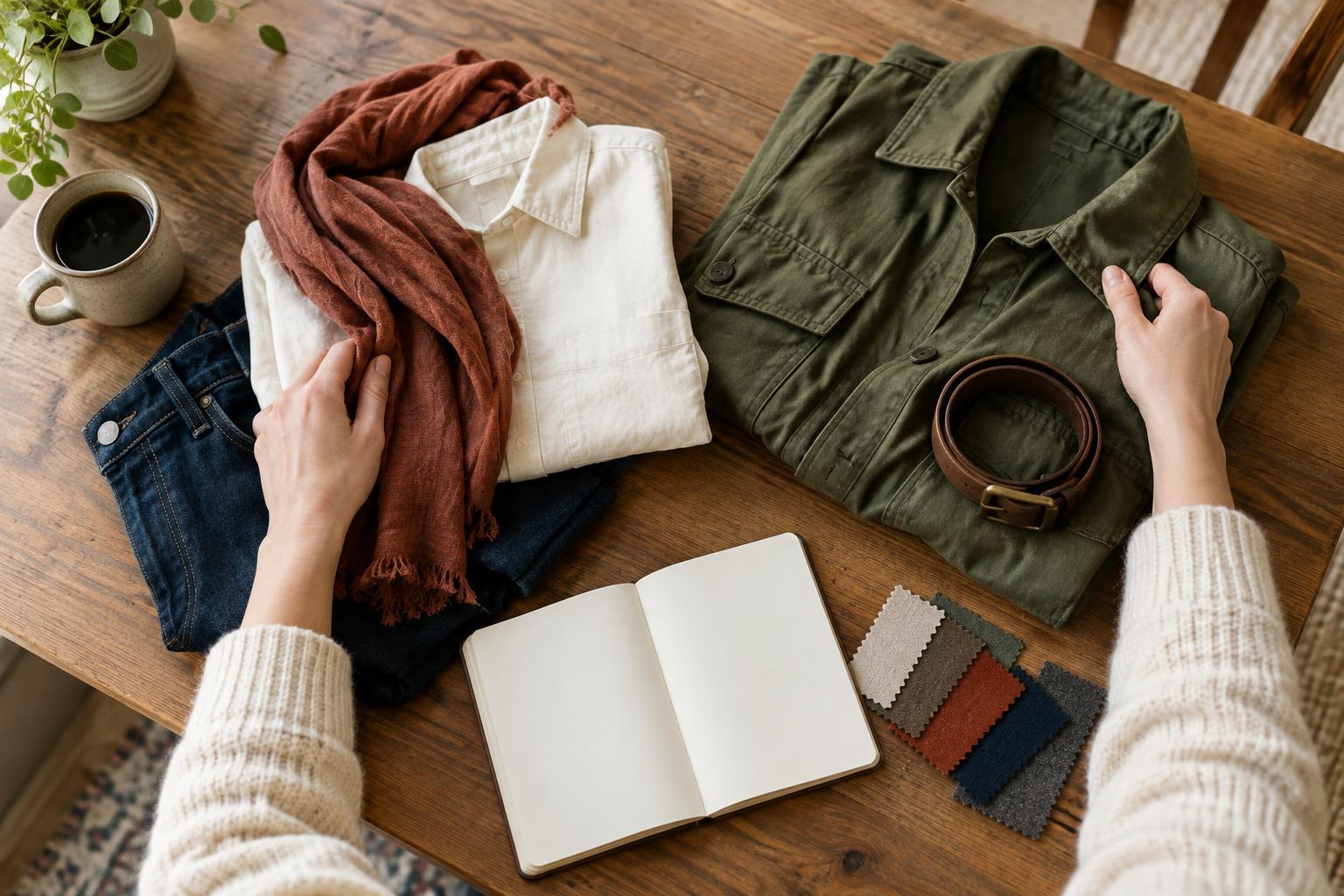
An anchor is the part of an outfit that makes sense for the occasion: a simple jacket, comfortable trousers, a neat dress, or shoes suited to the activity. Once the anchor is in place, add a signature element. It could be a patterned scarf, a striking earring, a favourite colour, an unexpected texture, or a way of layering. The signature need not be loud. Its purpose is to make the outfit recognizable to you.
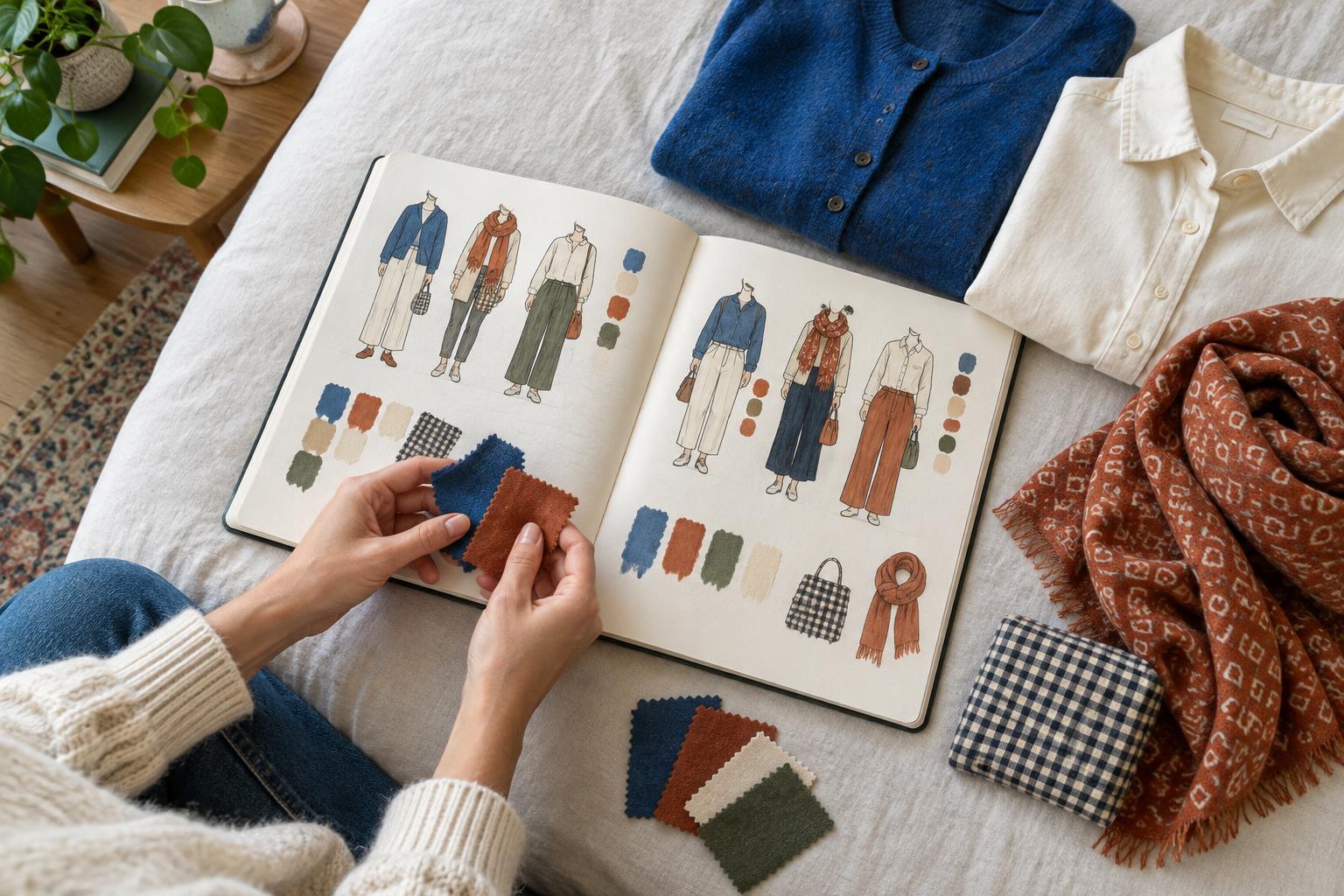
Try an exercise with three outfits for the same occasion. Keep the anchor the same, but change one variable in each version: colour in the first, accessories in the second, and silhouette in the third. Notice which version feels both comfortable and distinct. This is often more useful than asking whether an item is “too much” in isolation. A bright bag may feel balanced with quiet clothing, while that same bag may compete with a patterned coat.
You can also decide where you want an outfit’s emphasis to sit. If you enjoy being noticed, make the signature element visible from a distance. If you prefer a subtler connection to your style, choose a detail that becomes apparent up close. Neither approach is more authentic; they simply offer different ways to be present.
Use repetition without getting stuck in a uniform
Repeating favourite pieces can help your style feel consistent across different settings. A colour you return to, a familiar shape, or a small collection of accessories can act as a thread through your wardrobe. That thread can remain even when the rest of your outfit changes. For example, the same patterned shirt might be worn with tailored trousers for one occasion and relaxed layers for another.
If repetition starts to feel limiting, vary the context rather than abandoning what you like. Pair a familiar piece with a different texture or change its role from the focal point to a supporting detail. You do not need to reinvent your appearance for every group you enter. Equally, you are allowed to dress differently across settings without treating one version as the only “real” you.
Check how the outfit works in real life
Before leaving, give the outfit a short practical test. Sit, walk, reach, and look at it in the lighting you can expect. Ask whether anything needs constant adjustment or makes you reluctant to join in. Expression works better when you can focus on the people and activity around you, rather than managing an uncomfortable garment.
Afterward, take a moment to note what you would repeat and what you would change. Did you feel at ease in the setting? Did at least one choice feel like your own? You do not need a perfect balance every time. Each outfit gives you a little more information about how to make space for both connection and individuality the next time you get dressed.