Start with what you actually wear
A personal style vocabulary is a set of words that helps you describe what feels like you in clothing. It does not have to sound polished or fashionable. Its purpose is to make your preferences easier to notice and use. The best place to begin is your own wardrobe, where your choices have already left a record.
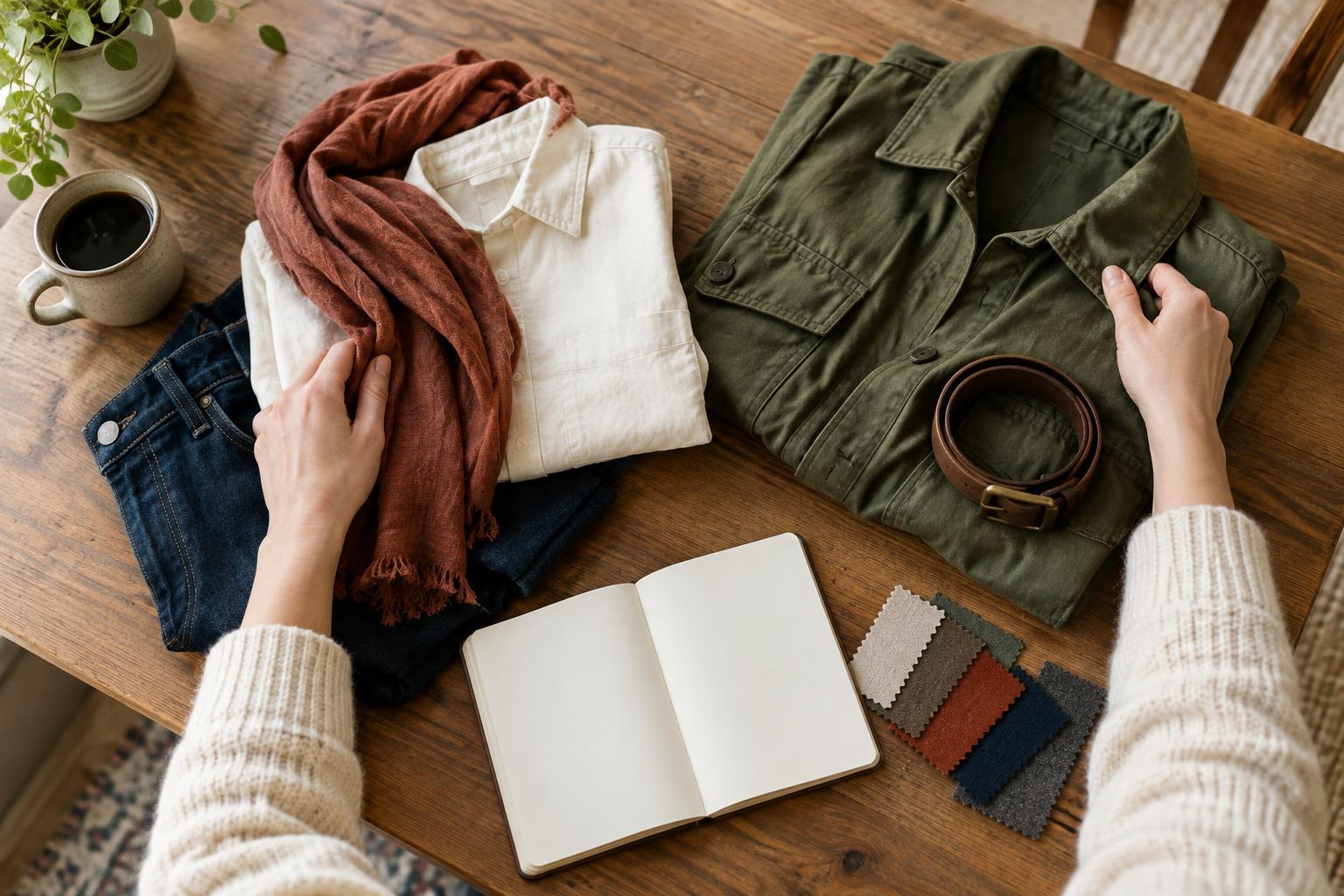
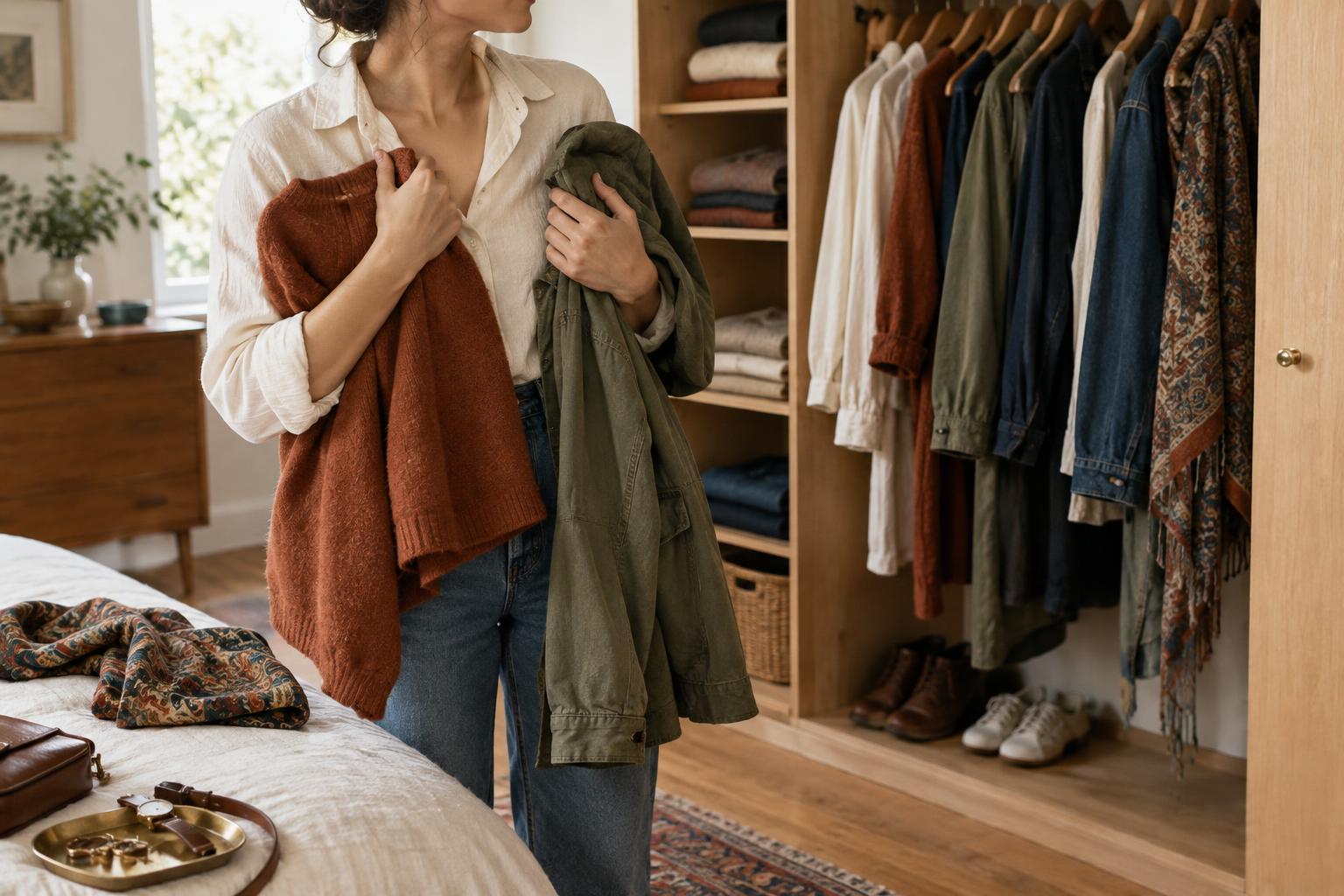
Set aside a little time to pull out the pieces you wear often, including shoes, bags and accessories. Add a few items you love but rarely wear. Keep the two groups separate for now: the difference between admiring an item and enjoying it on your body can be revealing. You do not need to sort everything you own or decide what to keep.
Look at the frequently worn pieces as a group. Which shapes repeat? Do you reach for crisp edges or softer lines? Are your favourite outfits close-fitting, loose, layered or a mixture? Note the fabrics and details too. A preference for roomy sleeves, worn-in denim or small metallic accents gives you more to work with than a broad label such as “casual.”
Find the patterns beneath individual items
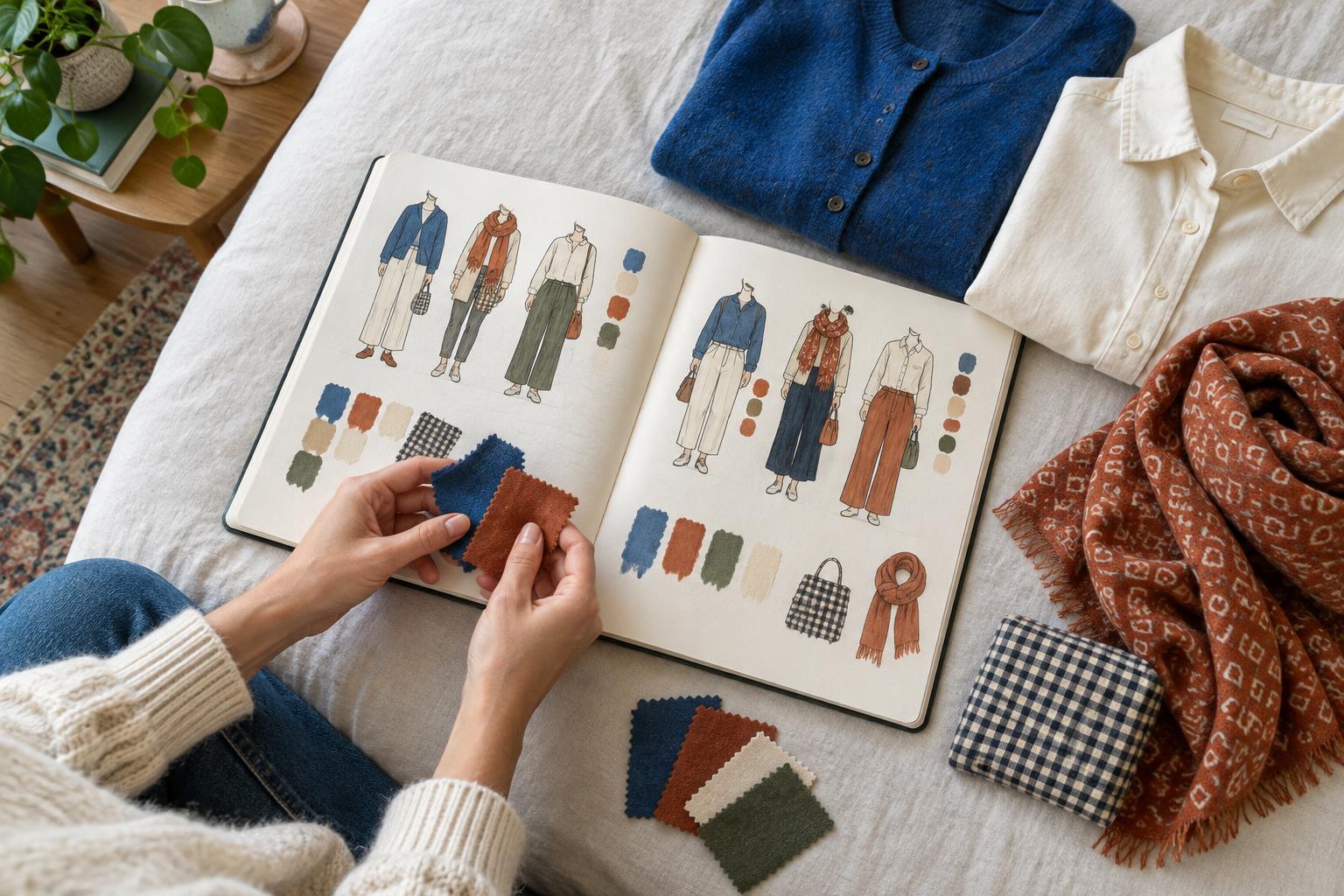
Next, think in combinations rather than single garments. Put together three outfits you feel comfortable wearing and three that make you feel especially expressive. They may overlap. If possible, photograph each outfit so you can look at the overall effect instead of focusing on one piece at a time. The images are for your own reference, not a test of how well you pose.
Ask what connects the outfits. Perhaps you balance a structured jacket with relaxed trousers, repeat one colour in two places, or use a bold earring to sharpen a simple look. Pay attention to scale: a large print, a narrow belt and a chunky shoe each change an outfit in a different way. These relationships often say more about your style than a list of favourite colours does.
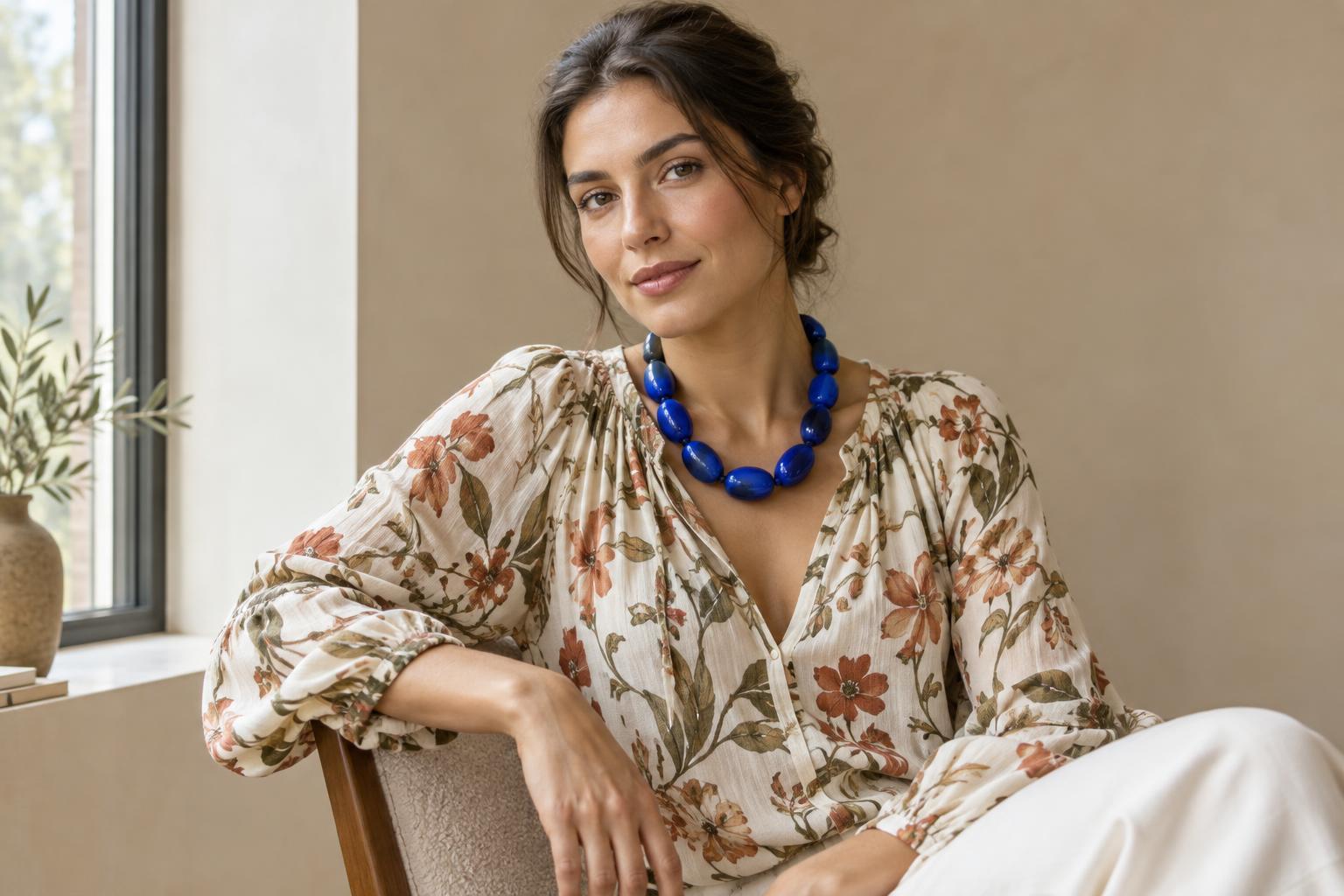
Now revisit the pieces you love but seldom wear. What feels different about them? A patterned shirt might suit your taste but be difficult to pair with your usual shapes. A striking necklace might feel right only when the rest of your outfit is quiet. Treat these observations as clues about how you like to wear a detail, not evidence that you chose the wrong item.
Give your preferences specific names
Choose five to eight words or short phrases that describe the patterns you found. Mix visual terms with feelings. “Soft structure,” “bright accents,” “practical layers” and “a little theatrical” are all more useful than trying to fit yourself into a single style category. You can also name contrasts: “neat but not formal” or “playful detail on a plain base.” Contrasts often capture what makes an outfit feel personal.
Make each phrase concrete enough to guide a choice. If you write “colourful,” ask what that means in your wardrobe. Do you wear saturated colours head to toe, or do you prefer one vivid accessory against muted clothing? If you write “minimal,” consider whether you mean few pieces, simple shapes, limited colours or an absence of decoration. Your definition matters more than anyone else’s.
Keep a short note beside each phrase with an example from an outfit you already wear. For instance: “Soft structure: loose shirt tucked into straight trousers.” This connects your vocabulary to real clothing and prevents the words from becoming an abstract wish list.
Test the words while getting dressed
For a week or two, use your vocabulary as a prompt rather than a set of rules. Before changing an outfit that feels unfinished, look at your phrases. Would a different proportion make it feel more like you? Would a small repeat of colour help? Could you remove one detail so another stands out? Try one adjustment at a time and notice whether it improves how you feel in the outfit.
This exercise can also help when you consider adding something new. Instead of asking whether a piece is your “style,” ask how you would wear it with items you already own. It need not match every phrase on your list. An unusual piece may be exciting precisely because it adds a new note. What matters is whether you can imagine giving it a place in your existing combinations.
If a phrase never helps you make a decision, change it. “Interesting” may be too vague; “unexpected texture with simple shapes” may be more useful. A working vocabulary should make dressing easier to understand, not turn it into a checklist.
Let your vocabulary change with you
Keep your words somewhere easy to revisit, along with a few outfit photos or brief notes about combinations you enjoyed. You might discover that a phrase applies across different clothes: the same preference for contrast could show up in a sharp collar against a soft knit or a bright bag beside a subdued coat. Seeing that thread gives you freedom to experiment without feeling that every outfit must look alike.
Review the list when your routines, needs or tastes change. Retire words that no longer describe how you dress and add new ones when a repeated choice surprises you. Your wardrobe is not a final statement about who you are. It is a place to observe how you express yourself now, then build on what you learn.