Start with the occasion, then decide what to express
A statement accessory is a detail that draws the eye: an oversized earring, a vivid scarf, a sculptural belt buckle, a patterned bag, or a pair of distinctive shoes. It does not have to be expensive or enormous. Contrast, unusual texture, colour, shape, or placement can make a small item feel expressive.
Before choosing one, ask what the dress code is trying to accomplish. A workplace may favour ease of movement and a composed appearance; a celebration may invite more decoration. Consider the venue, the activity, and any explicit guidance from the host or organiser. Then choose one idea you want your outfit to convey, such as playfulness, precision, warmth, or drama. That gives your accessory a purpose beyond simply being noticeable.
Keep casual looks relaxed but intentional
Casual clothing offers room to experiment because the rest of an outfit can provide a simple backdrop. Try a colourful crossbody bag with jeans and a plain shirt, or add a printed scarf to an uncomplicated jacket. Repeating one colour from the accessory elsewhere in the outfit can make the combination feel connected, but you do not need a perfect match.
Match the accessory to what you will actually do. Heavy earrings may become uncomfortable during a long day; a delicate bag may be awkward if you need to carry several things. For an easy test, put on your usual casual outfit, add one expressive item, and look at it from a few steps away. If the detail is visible and the outfit still feels comfortable, you have found a useful balance.
Adjust the volume for professional and polished settings
Professional dress codes vary, so observe the setting rather than assuming there is one universal rule. Where understated clothing is expected, a statement accessory can work best as a clear focal point against quiet shapes and colours. Consider a textured tie, a geometric brooch, a silk scarf, a distinctive watch, or a structured bag. An interesting material or silhouette can say as much as a bright colour.
Think about how the piece behaves, not just how it looks. Jewellery that makes noise, catches on clothing, or gets in the way of tasks may distract you and others. If you want to wear a bolder piece, let it lead: pair striking eyewear with simpler jewellery, for example, or let a patterned bag stand apart from a restrained outfit. The aim is not to erase personality, but to make it easy to notice the person as well as the accessory.
Use proportion and finish for formal occasions
Formal dressing often rewards deliberate choices. A single dramatic accessory can create a strong impression: sculptural earrings with a simple neckline, a decorative clutch with a plain suit, or a striking necklace with an otherwise unadorned outfit. Choose a piece that relates to the clothing’s proportions. A broad collar might frame a bold pin, while an open neckline may leave space for a necklace.
Finish matters as much as size. Check that the accessory is clean, secure, and comfortable enough to wear throughout the event. If an invitation specifies particular attire, treat that guidance as the starting point. For less defined occasions, you can make a familiar accessory feel more formal by changing its context: a colourful scarf tied neatly, for instance, may read differently from the same scarf worn loosely with weekend clothes.
Build a small accessory toolkit
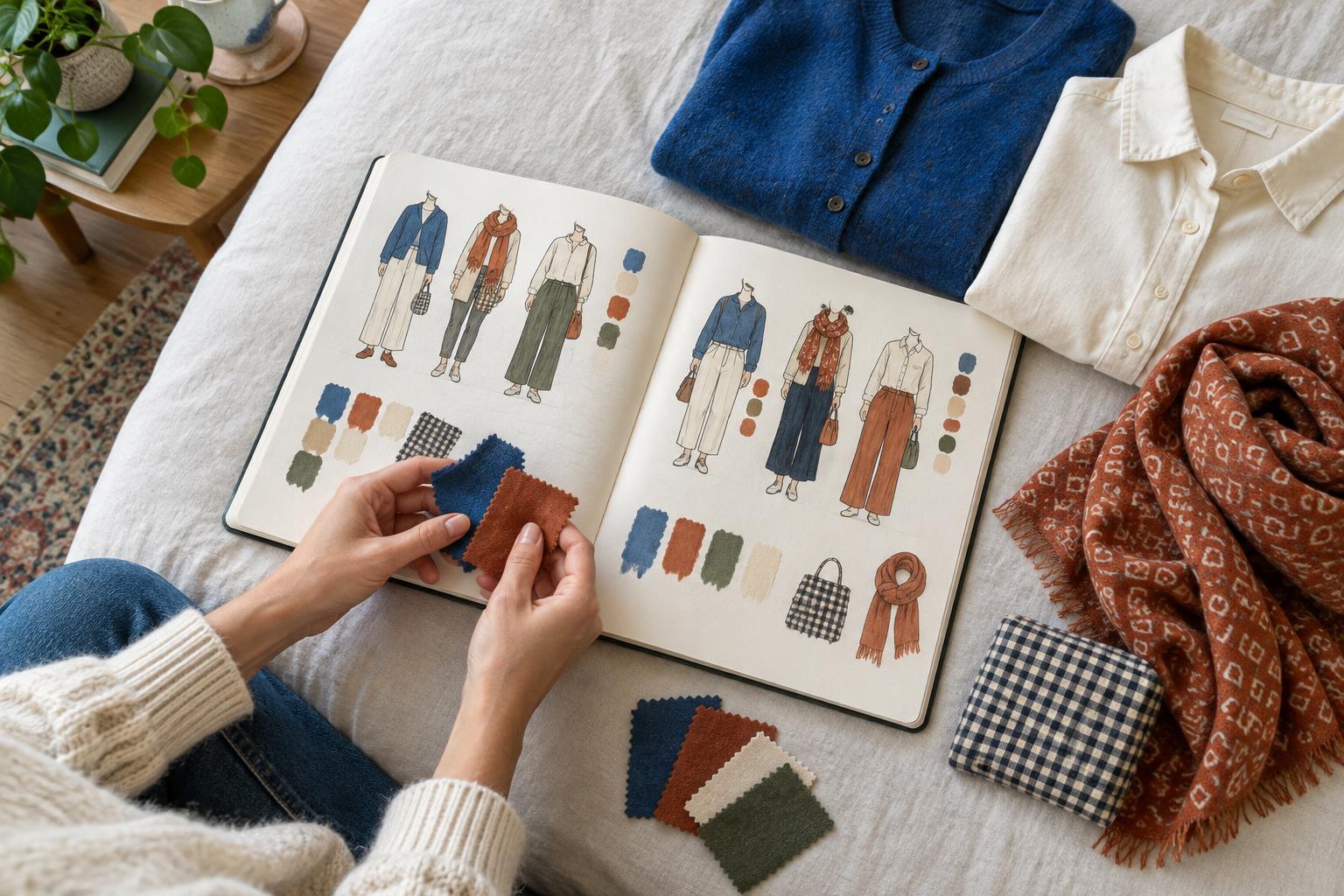
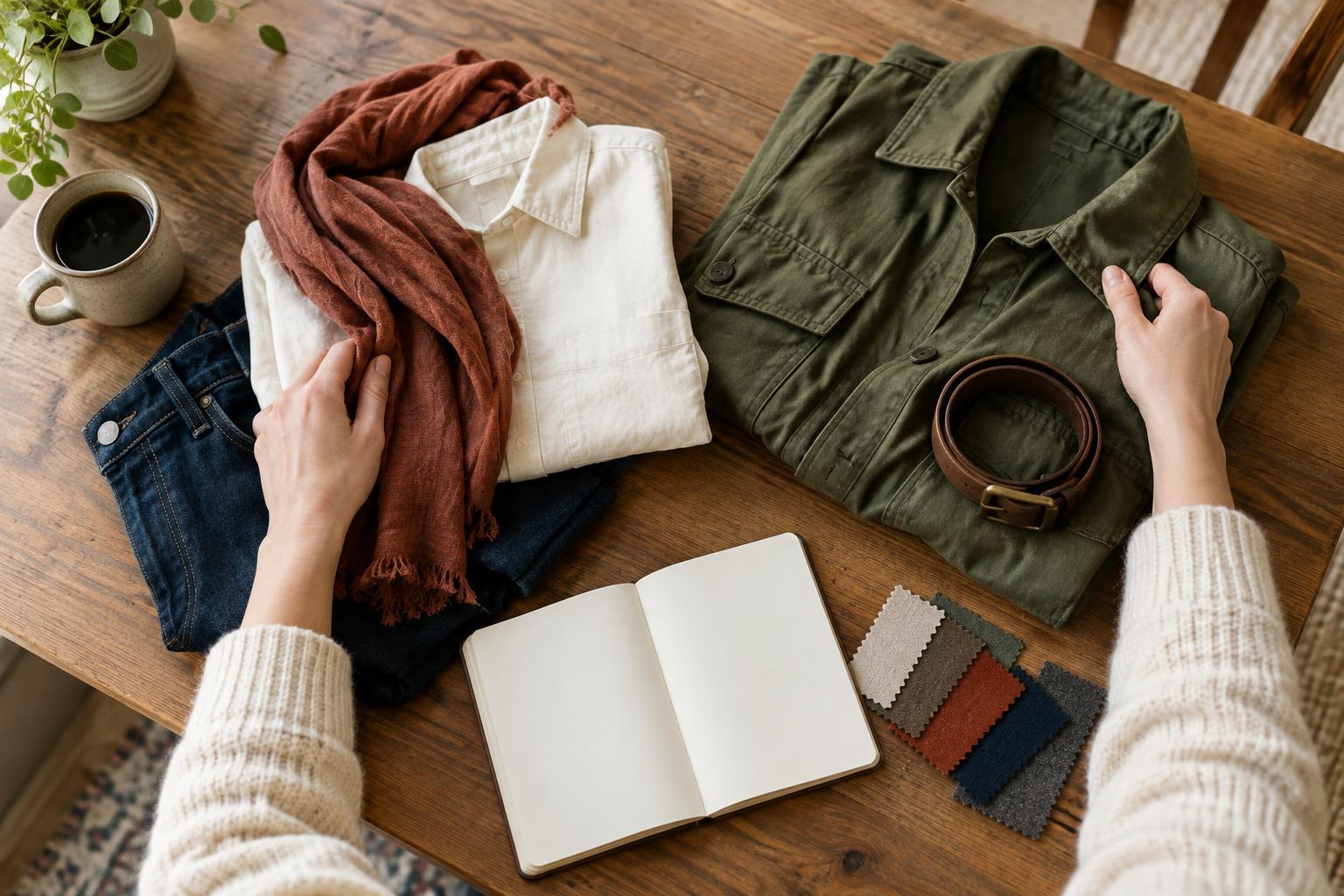
You do not need a separate collection for every dress code. Choose a few pieces that express different sides of your style: perhaps one colour-led item, one piece with an interesting shape, and one with texture or pattern. Try each with outfits you already own. Photograph the combinations if that helps you see which details stand out and which compete with one another.
When you are unsure, use a simple editing exercise. Assemble the full outfit, select its focal accessory, and then remove or simplify one other detail. Notice whether the look becomes clearer. A dress code sets the boundaries of an occasion, but it still leaves room for choice. The most effective statement accessory feels appropriate to where you are going and recognisably yours.