Redefine what versatile means
A versatile piece is often described as one that goes with everything. That can be useful, but it is an incomplete test. A shirt might match every pair of trousers you own and still make every outfit feel the same. Better versatility means a piece can play more than one role: relaxed with jeans, sharper under a jacket, or expressive alongside an accessory you love.
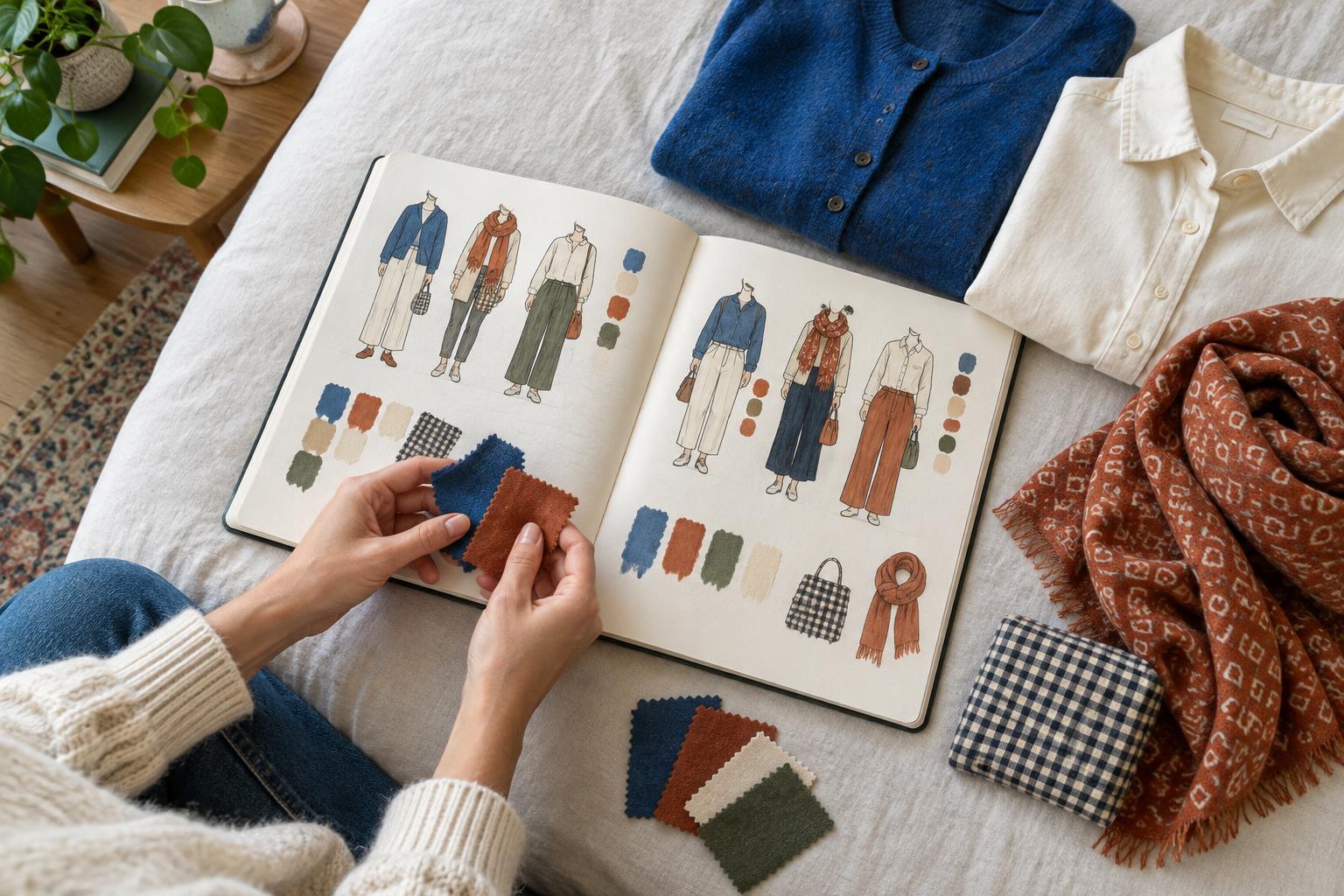
Start by thinking about situations rather than a fixed list of “essentials.” You may need clothes for quiet working days, informal gatherings and occasions when you want to be noticed. Write down a few situations that actually occur in your life, then note how you want to feel in each one. Comfortable, polished and playful are different aims, even if some of the same clothes appear in all three outfits. The goal is not to own fewer visible choices; it is to make the choices you own more useful.
Build around anchors, then vary the shape
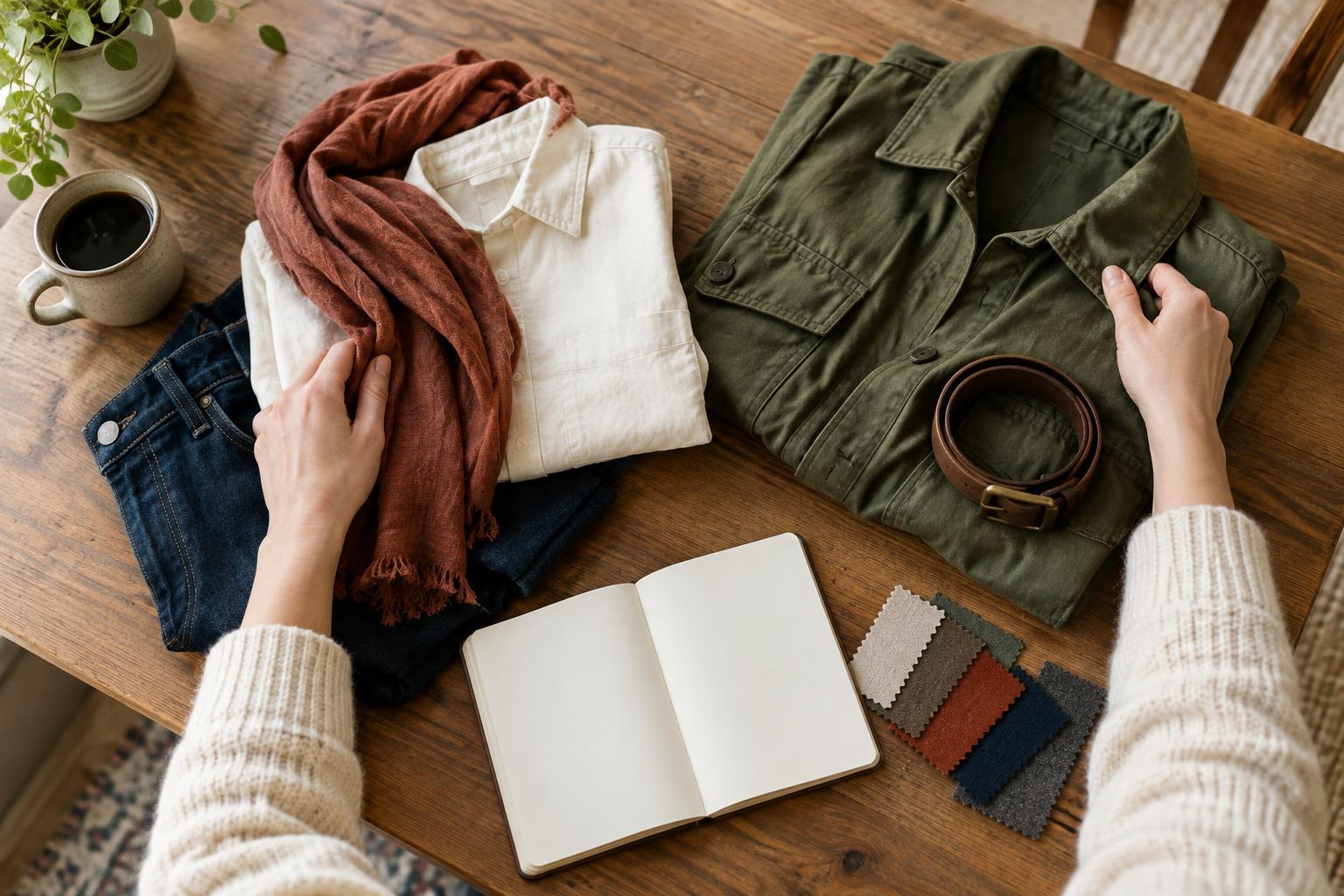
An anchor is a reliable item that makes other choices easier. It could be trousers that fit well, a jacket you reach for often, or shoes that work with several outfits. Choose anchors for comfort, care requirements and compatibility with what you already wear. They do not all need to be plain, but they should give you somewhere dependable to begin.
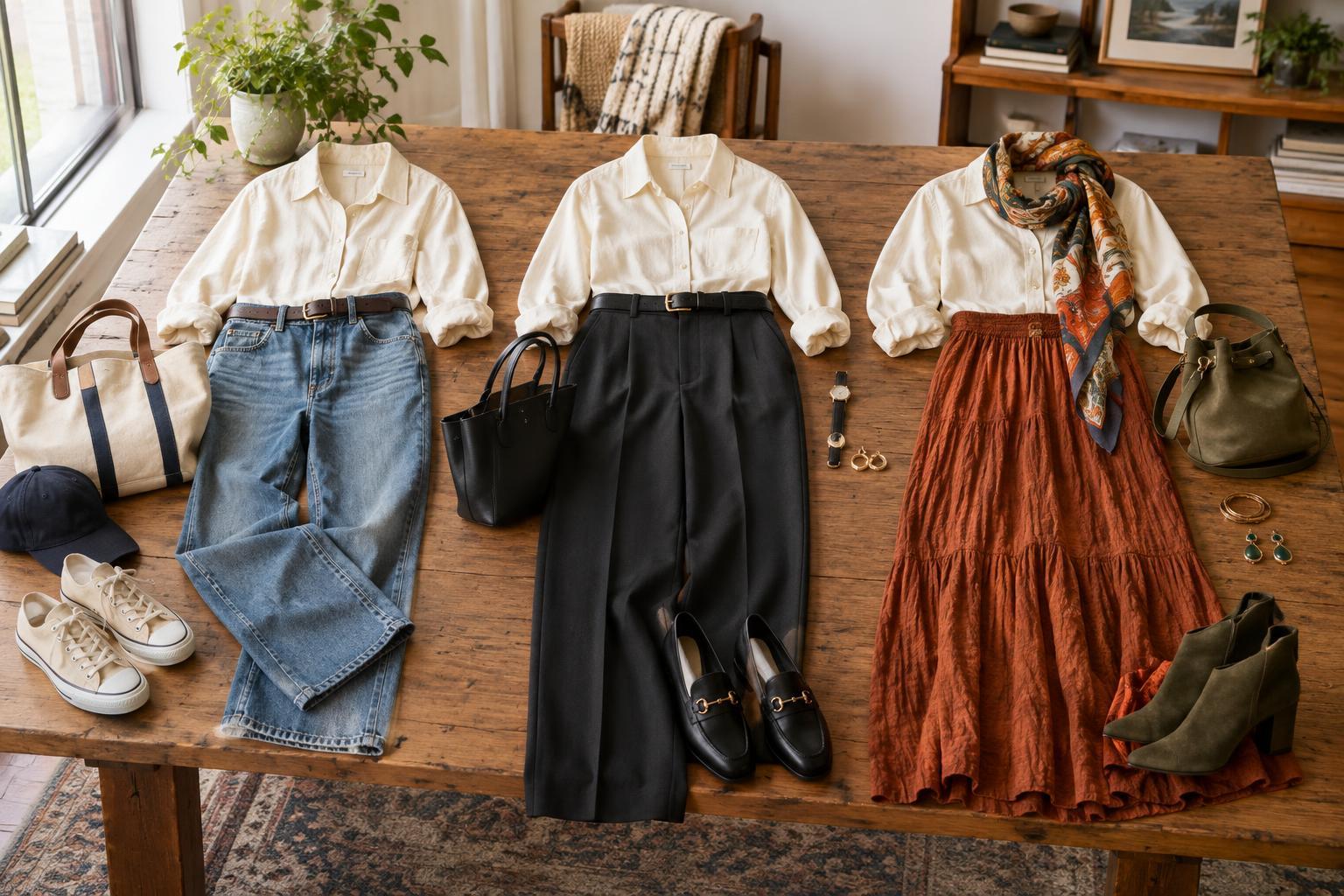
Once you have an anchor, look for variation in silhouette. One pair of trousers can feel quite different with a close-fitting top, a loose shirt or a cropped layer. Likewise, a simple top can shift character with wide-leg trousers, a narrow skirt or an open overshirt. If you buy three tops with nearly identical cuts because each seems “versatile,” you may gain matching options without gaining new outfits. Consider whether a new piece changes proportion as well as whether its colour matches.
Use colour and texture to create different moods
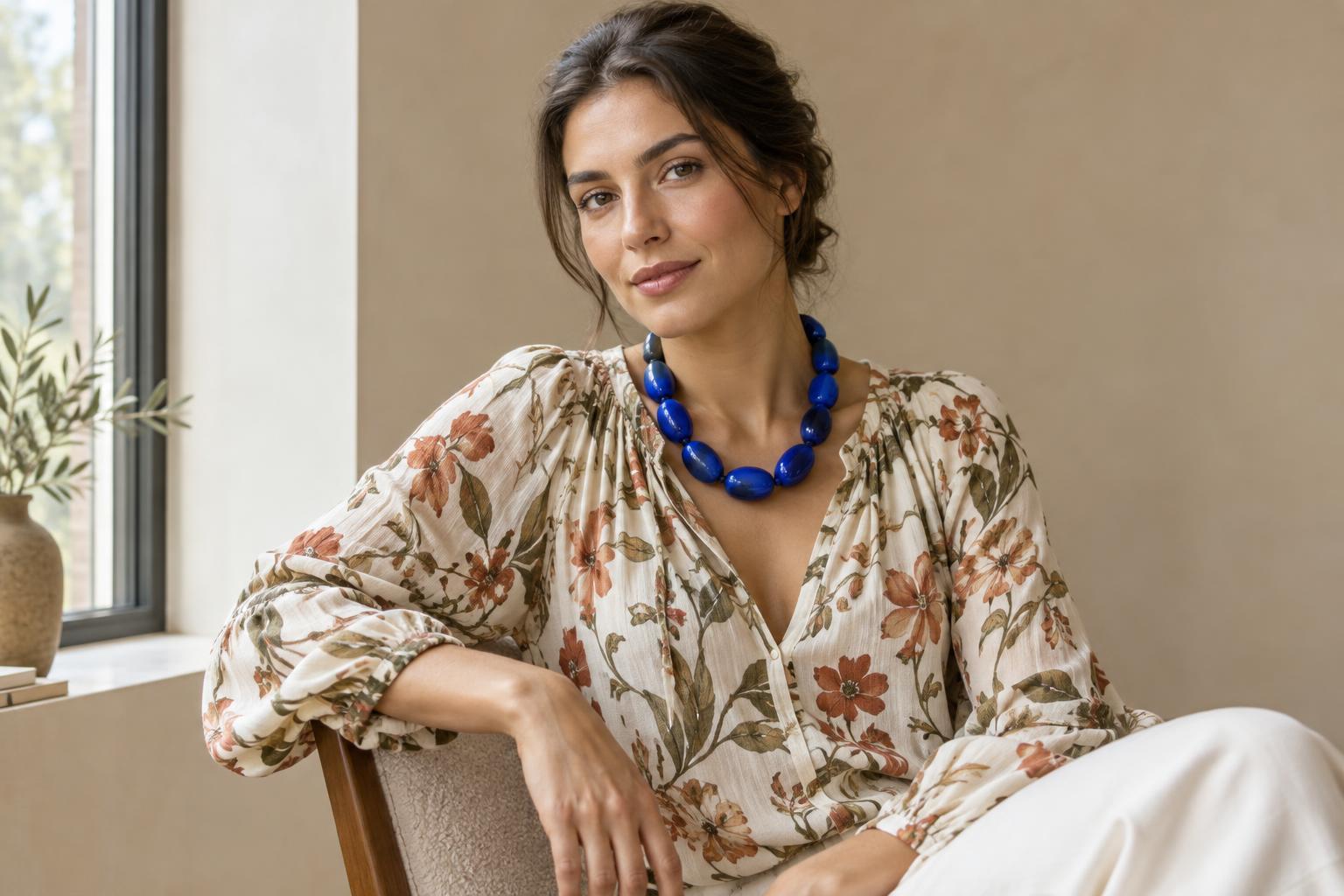
A wardrobe does not need a strict palette, but a few connecting colours can make combinations easier. Choose colours you enjoy wearing and notice which ones already sit comfortably together. Then leave room for contrast. A bright layer, a patterned shirt or a colour you wear in small doses can give familiar basics a new point of view without requiring an entirely separate outfit.
Texture offers another kind of contrast, especially when colours are similar. A crisp shirt, soft knit and structured jacket each change how an outfit reads. Place two items next to a trusted anchor and ask what each adds: softness, definition, warmth or visual interest. If they add the same thing in the same way, they may be duplicates rather than useful alternatives. Choose the option that opens up a mood or combination you could not easily create before.
Give each new piece more than one job
Before buying, picture a piece in three outfits you would genuinely wear, not three combinations that are merely possible. Try giving those outfits different purposes. A patterned shirt might be worn open over a T-shirt for a casual day, tucked into tailored trousers for a more deliberate look, and layered under a jumper so only its collar and cuffs show. The change in styling matters as much as the number of garments it matches.
Also ask what the piece does not need to do. A striking coat may only work with a handful of outfits, yet still earn its place because it changes their character. Versatility is a useful guide, not a rule that every purchase must satisfy equally. When everything has to be neutral and interchangeable, it becomes harder to express a particular mood. A balanced wardrobe can contain dependable foundations and a few pieces chosen mainly for delight.
Run an outfit experiment with what you own
Pick one item you wear frequently and make three outfits around it. For the first, follow your usual instinct. For the second, change the silhouette by adjusting a layer or choosing a different shape on your top or bottom half. For the third, keep the clothes simple but shift the mood with colour, texture or accessories. Try each outfit on if you can; combinations that sound good in your head may feel different in motion.
Notice which change has the biggest effect. Perhaps you need more variety in layers, or perhaps the missing piece is an accessory that gives familiar clothes a focal point. Keep a short note of combinations you like and gaps you repeatedly encounter. That record can guide your next choice more reliably than a generic shopping list. Versatile clothes work best when they make it easier to express different sides of yourself, not when they make every day look the same.