Separate the role from your identity
You may dress one way for a meeting, another for a family celebration and another for a quiet weekend. That does not mean you are presenting three different people. Clothing responds to circumstances: an activity may require sturdy shoes, a workplace may have a dress code, and a formal invitation may set expectations. Personal style is the set of choices you make within those limits, not a single outfit you must repeat everywhere.
Start by naming what each setting asks of you in practical terms. Is the clothing expected to be protective, comfortable, polished or easy to move in? Then separate those needs from assumptions you have added yourself. A request to look neat, for example, does not necessarily require you to abandon a favourite colour or distinctive accessory. This distinction gives you room to adapt without treating every change of clothes as a change of character.
Find your style anchors
A style anchor is a detail you return to because it feels familiar and intentional. It might be a relaxed silhouette, crisp lines, warm colours, textured fabrics, a particular jewellery shape or a preference for layers. Anchors are more useful than a rule such as “I always wear black,” because they can take different forms in different settings. Someone drawn to strong shapes could choose a structured jacket for work, a sharply cut shirt for dinner and a simple boxy tee on a day off.
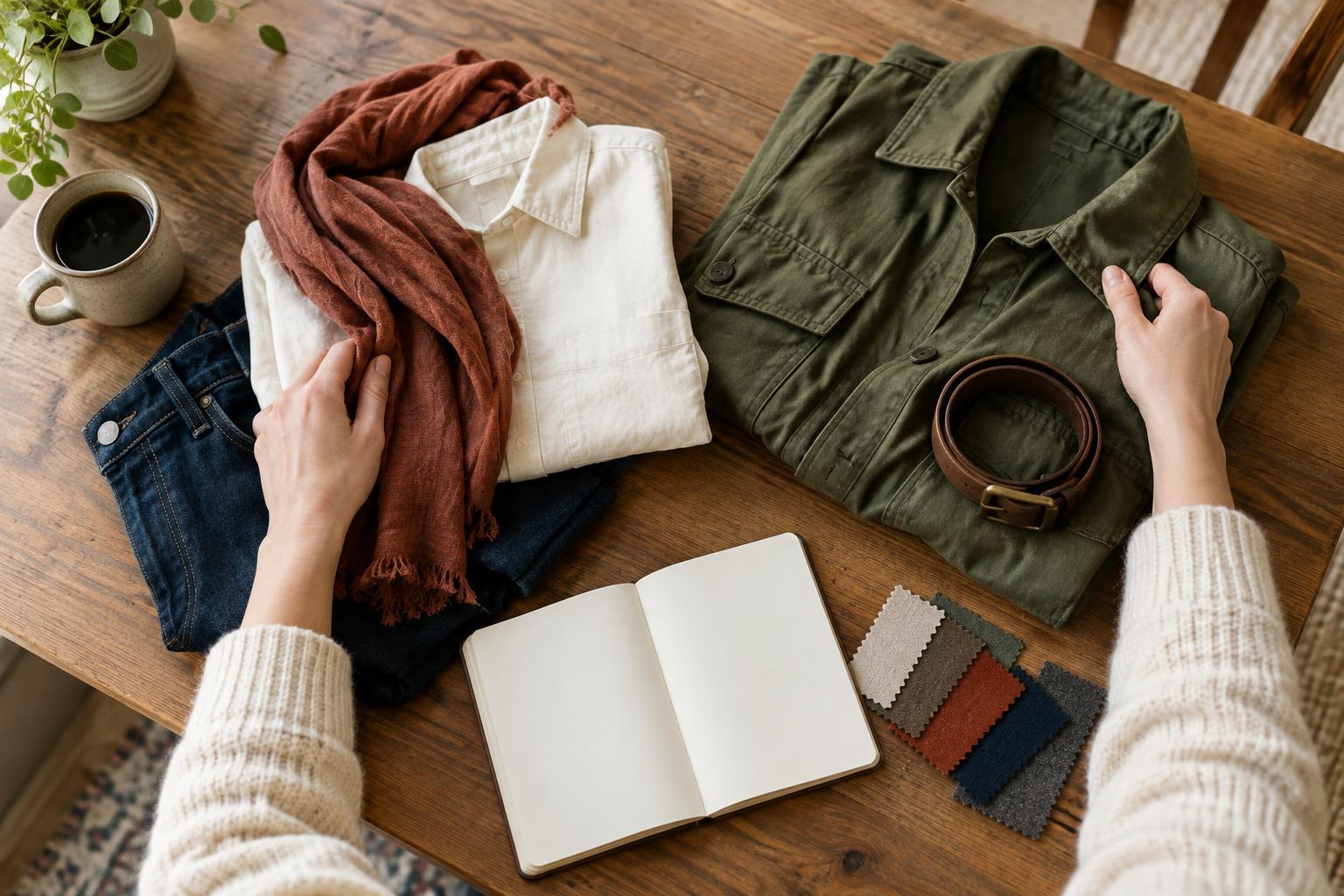
To find yours, look at a few outfits you have enjoyed wearing rather than only the clothes you admire on others. Write down what those outfits share. Pay attention to how they felt during the day: whether you could move comfortably, whether you kept adjusting something, and which details you would happily wear again. Choose two or three recurring qualities. They can become a small reference point when a role calls for unfamiliar clothing.
Translate, rather than copy, an outfit
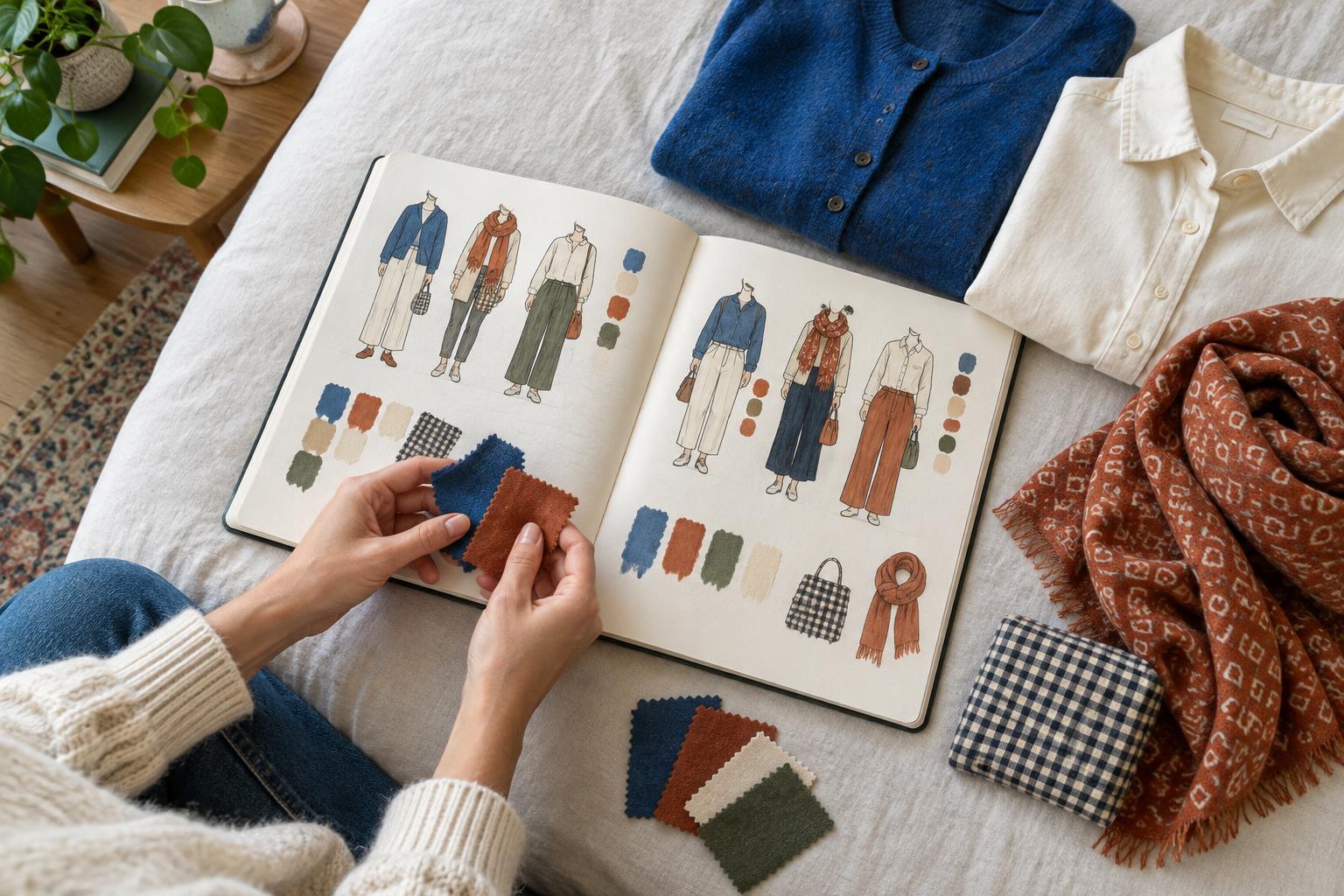
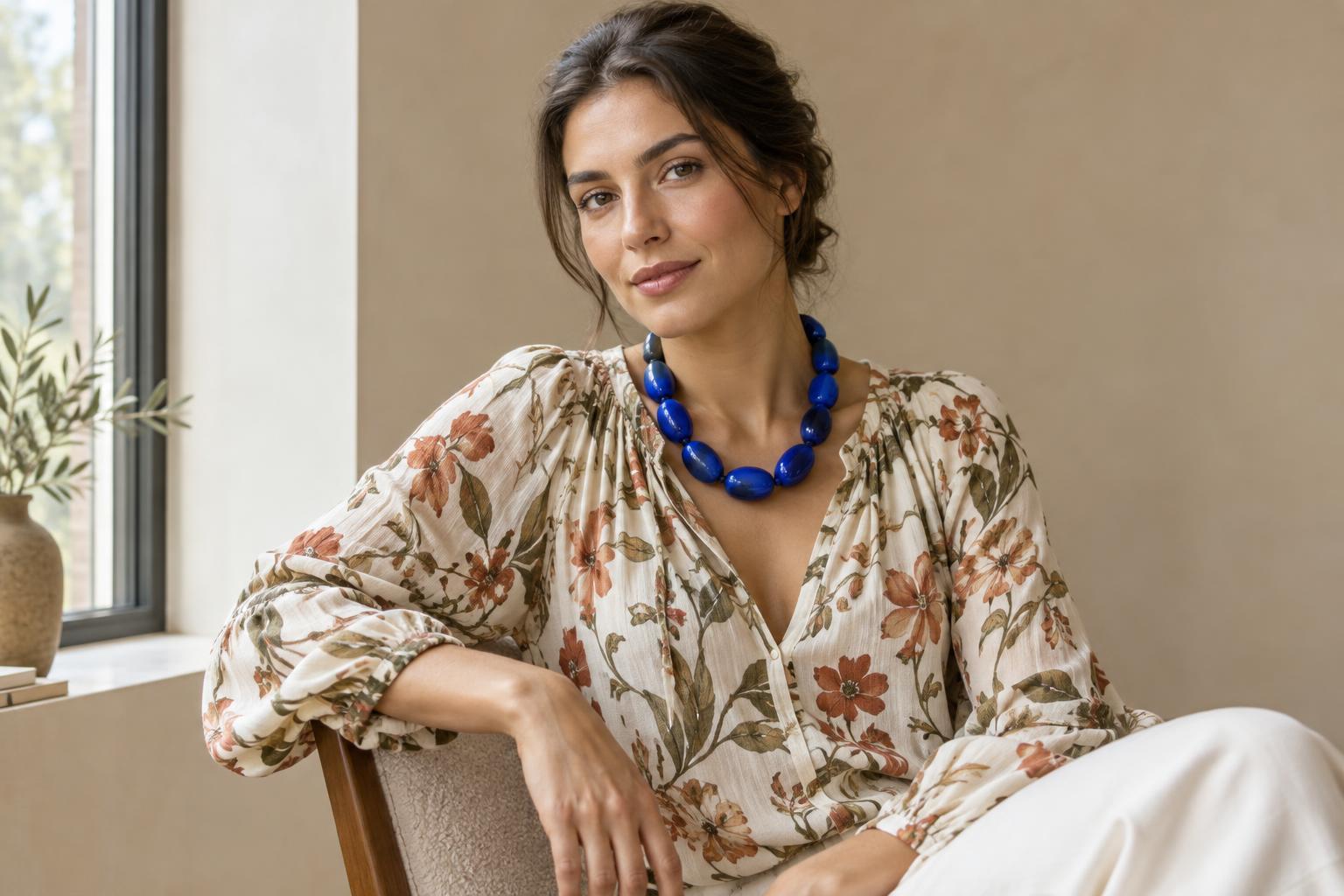
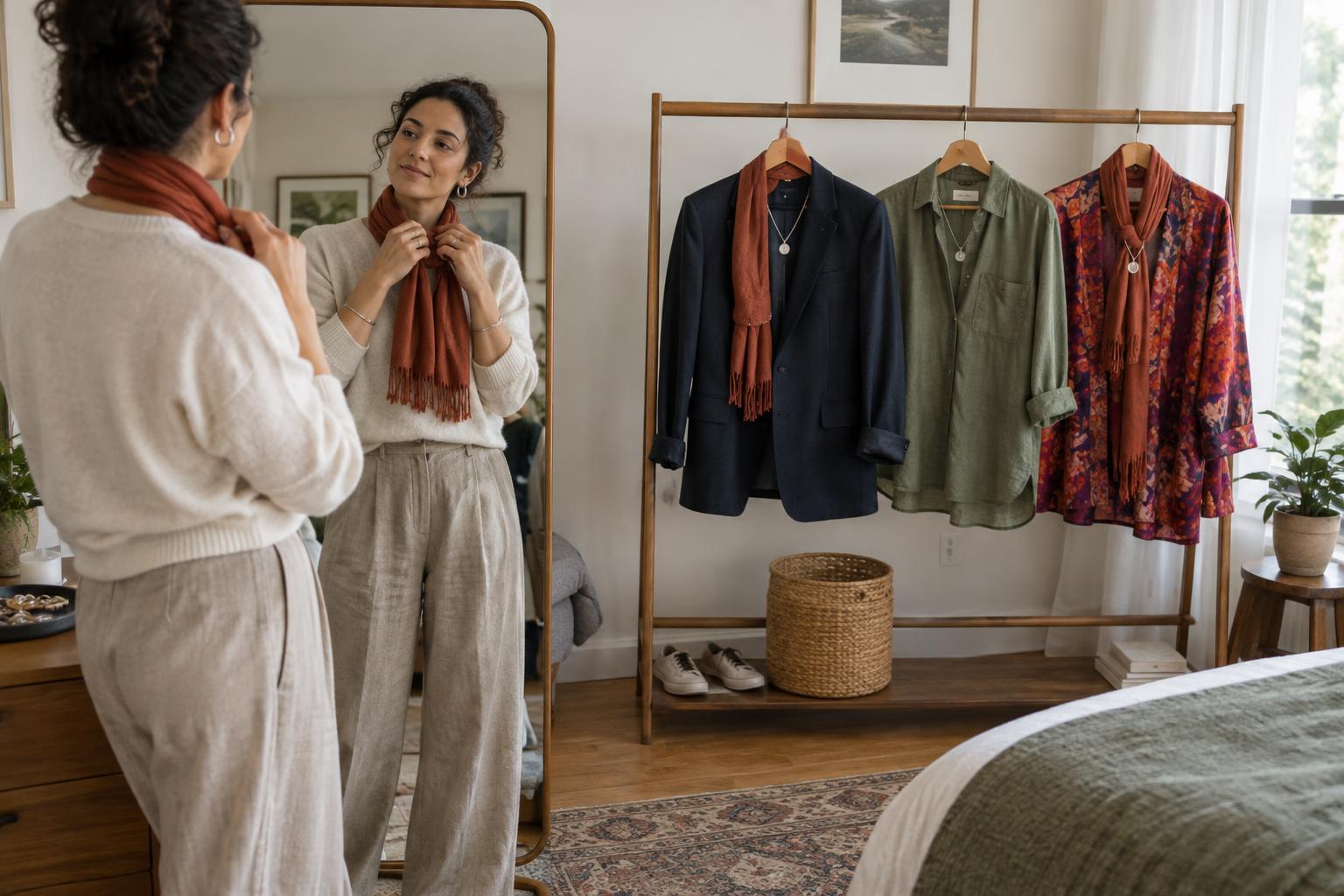
When a setting changes, carry the idea behind an outfit into a more suitable version. If your everyday look combines loose layers and bright colour, a more formal version might pair an easy-fitting jacket with a vivid shirt. If you usually favour minimal pieces and one bold detail, that detail could shift from a large casual bag to a smaller patterned scarf. The pieces change, but the visual rhythm remains recognizable to you.
Try a three-column exercise for a role you find difficult to dress for. In the first column, list its actual requirements, such as closed-toe shoes or a specific level of formality. In the second, list your style anchors. In the third, sketch one outfit that satisfies both lists. If a favourite element cannot fit, look for a related quality instead: the same colour in a quieter shade, a similar shape in a different fabric, or a subtle version of a familiar pattern.
Give yourself options, not a uniform
One successful outfit for a particular role can be a relief, but it need not become your only option. A small group of compatible pieces lets you adjust to weather, comfort and the demands of the day. You might keep two suitable tops with different moods, or alternate between a statement accessory and a quieter one. Variation helps a role feel less like a costume you have to put on.
It is also reasonable for some settings to allow less personal expression than others. A required uniform or strict dress code may leave little visible room for choice. In that case, focus on what is available to you, whether that is fit, a permitted layer, or the clothes you wear before and after the event. You do not have to turn every constraint into a style opportunity. Sometimes dressing appropriately and comfortably is enough.
Check how the outfit works in real life
Before building a whole wardrobe around a new role, test one outfit through an ordinary day. Notice whether it supports the tasks at hand and whether you feel at ease once the initial self-consciousness passes. Ask a specific question rather than “Do I look like myself?” For instance: “Does this feel too formal because of the shoes, the fit or the colour?” A precise answer gives you something useful to change.
Your style can stay coherent without staying still. Roles shift, and so do preferences. Keep the details that help you feel grounded, adapt the ones that get in your way, and let an outfit serve the day you are actually having. Dressing for different parts of your life is not a test of whether your identity is consistent. It is a chance to express it under different conditions.