Treat the dress code as a brief, not a complete outfit
A dress code usually tells you what the occasion needs from your clothing: a level of formality, a practical requirement, or a shared mood. It rarely tells you exactly which colours, silhouettes, or accessories to wear. That space is where personal style belongs. Rather than asking, “What would someone else wear to this?”, ask, “What does this setting call for, and how would I express that in my own wardrobe?”
Start with what you know. Consider the venue, the activity, the time you will spend there, and whether you need to sit, stand, move, or work comfortably. A celebration, a workplace gathering, and an outdoor event may all use the word “smart,” but the most useful outfit will depend on what you will actually do. If an invitation provides specific requirements, give those priority over your interpretation.
Translate vague words into clothing choices
Terms such as casual, smart casual, and formal can feel imprecise because people use them differently. Instead of searching for one perfect definition, break the code into visible qualities. Is the clothing expected to look relaxed or polished? Are structured pieces more suitable than loose ones? Would clean, understated footwear make more sense than shoes designed for rough ground? These questions turn a vague label into decisions you can make.
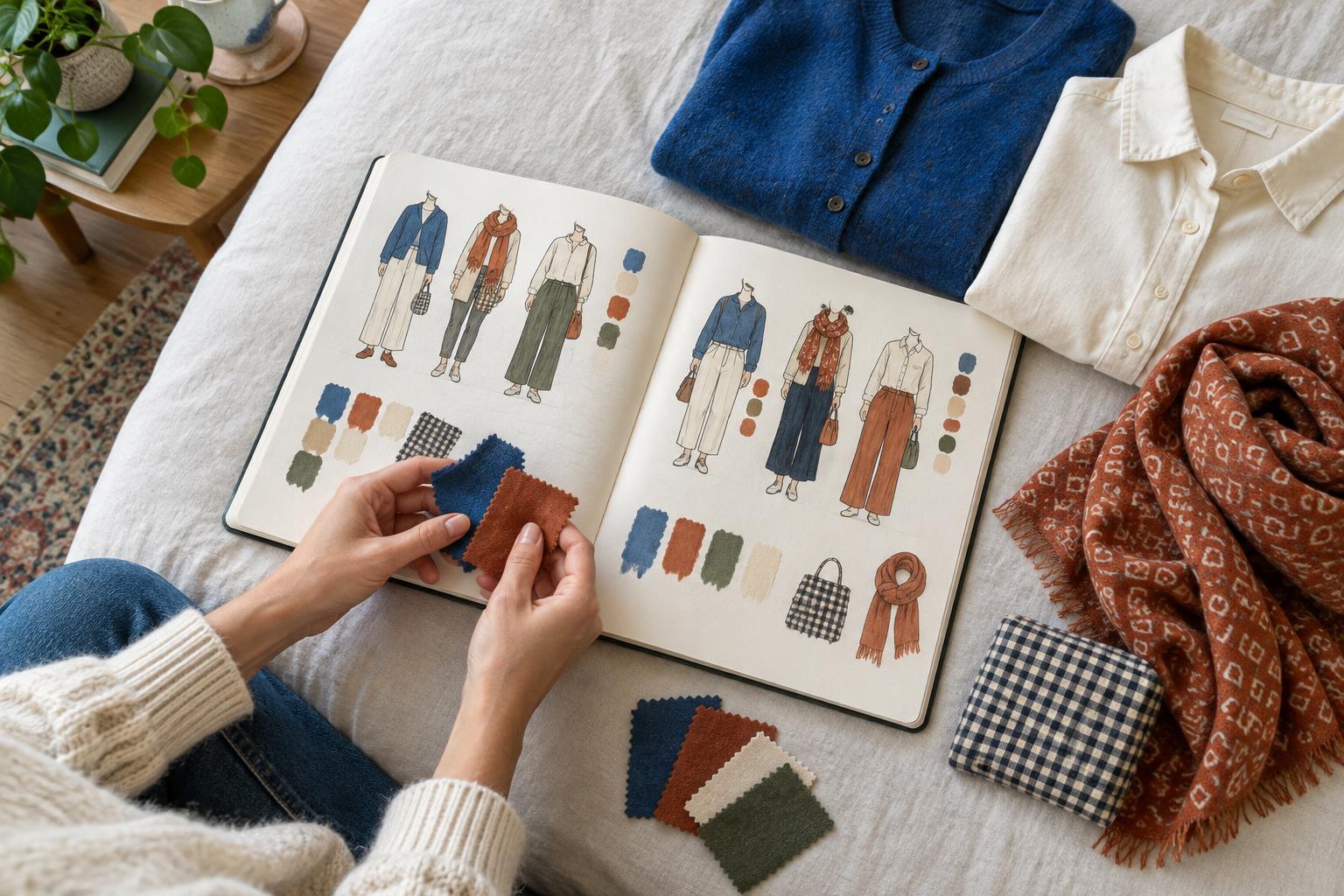
Build a reliable base first: perhaps trousers and a shirt, a dress with a layer, or a coordinated set. Then adjust one element at a time. A more structured jacket can make a familiar outfit feel dressier; a simpler shoe can quiet a bold combination. For a stricter setting, let the base meet the expected level of formality before adding expressive details. For a relaxed setting, you may have more room to experiment with shape and contrast.
Choose where your personality will show
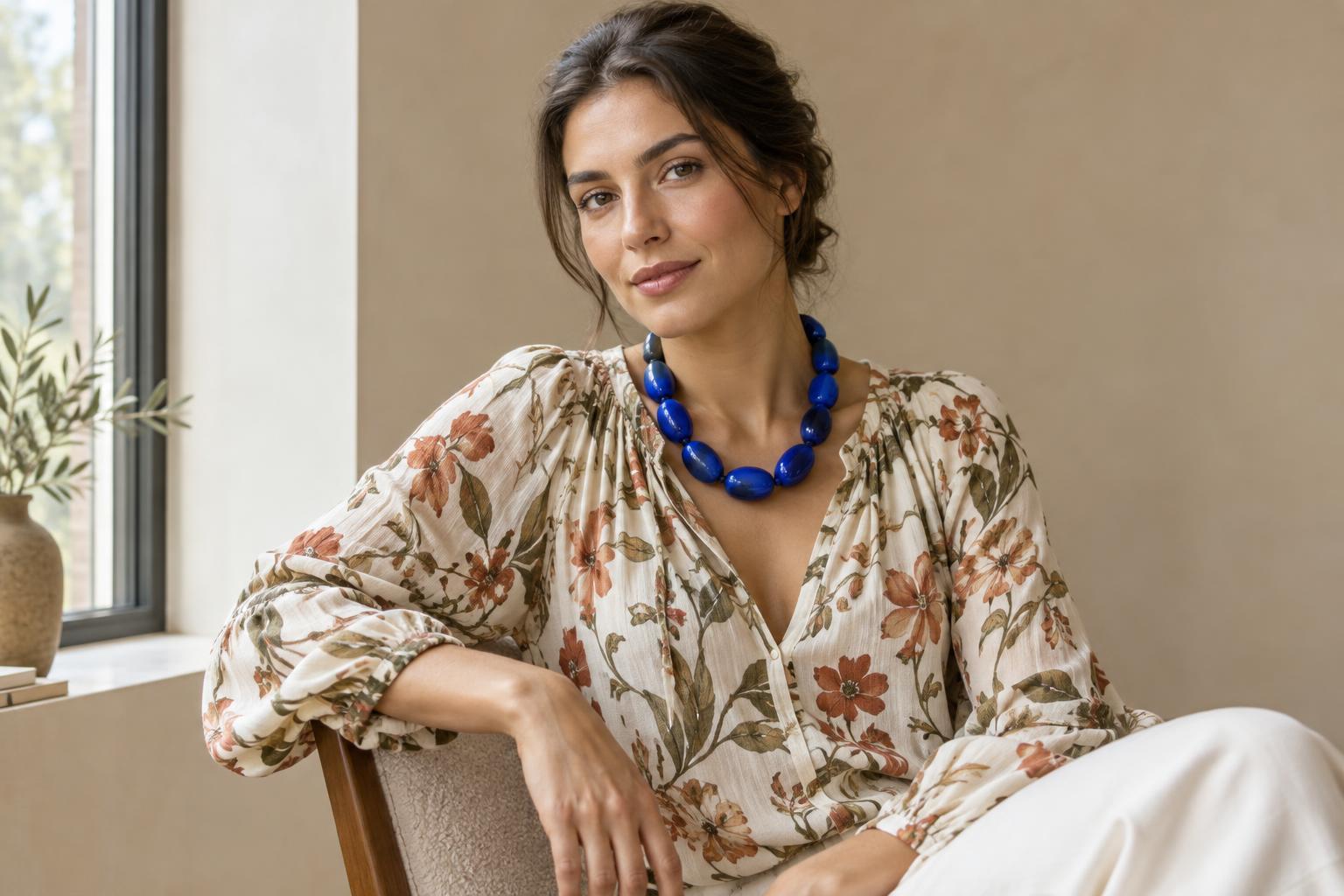
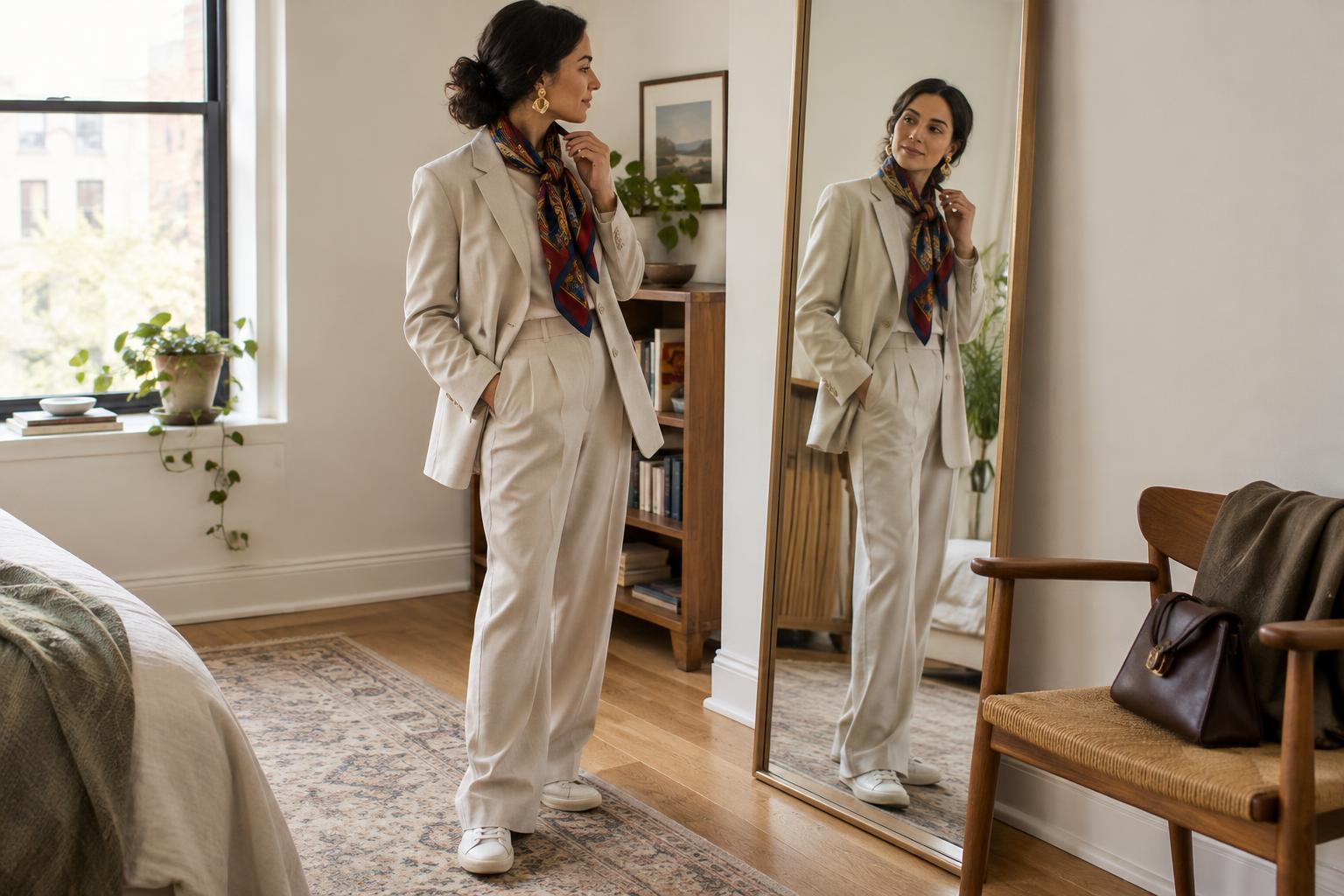
Personal style does not require every part of an outfit to make a statement. Pick one or two details that feel recognisably yours. That might be a favourite colour near your face, an unusual bag, a patterned scarf, distinctive glasses, or a silhouette you return to often. An otherwise simple outfit can feel personal when those choices are deliberate.
Think about visibility as well as preference. In a conservative setting, a small accessory, interesting texture, or subtle colour combination may express more than a conspicuous piece would. At a creative gathering, you might let pattern or proportion take the lead. Neither approach is more authentic. Your style can change volume to suit the room without changing its character.
If you are unsure whether a detail works, try the outfit without it and then add it back. Does it make the whole look feel more intentional, or does it compete with the occasion? This quick comparison is often more helpful than judging the accessory on its own.
Make comfort and practicality part of the look
An outfit can match a dress code on a hanger and still be a poor choice for the day. Check whether you can move, sit, and manage the likely weather in it. Consider how long you will wear your shoes and whether you need to carry anything. Feeling at ease makes it easier to engage with people rather than repeatedly adjusting your clothes.
Fit and condition also shape how an outfit reads. A familiar garment that sits well and is ready to wear may serve you better than a dressier piece that pinches or needs constant attention. Before leaving, look at the full outfit rather than its individual parts. Shoes, outerwear, and the bag you actually plan to carry can change its overall level of polish.
Use a short rehearsal when the stakes feel high
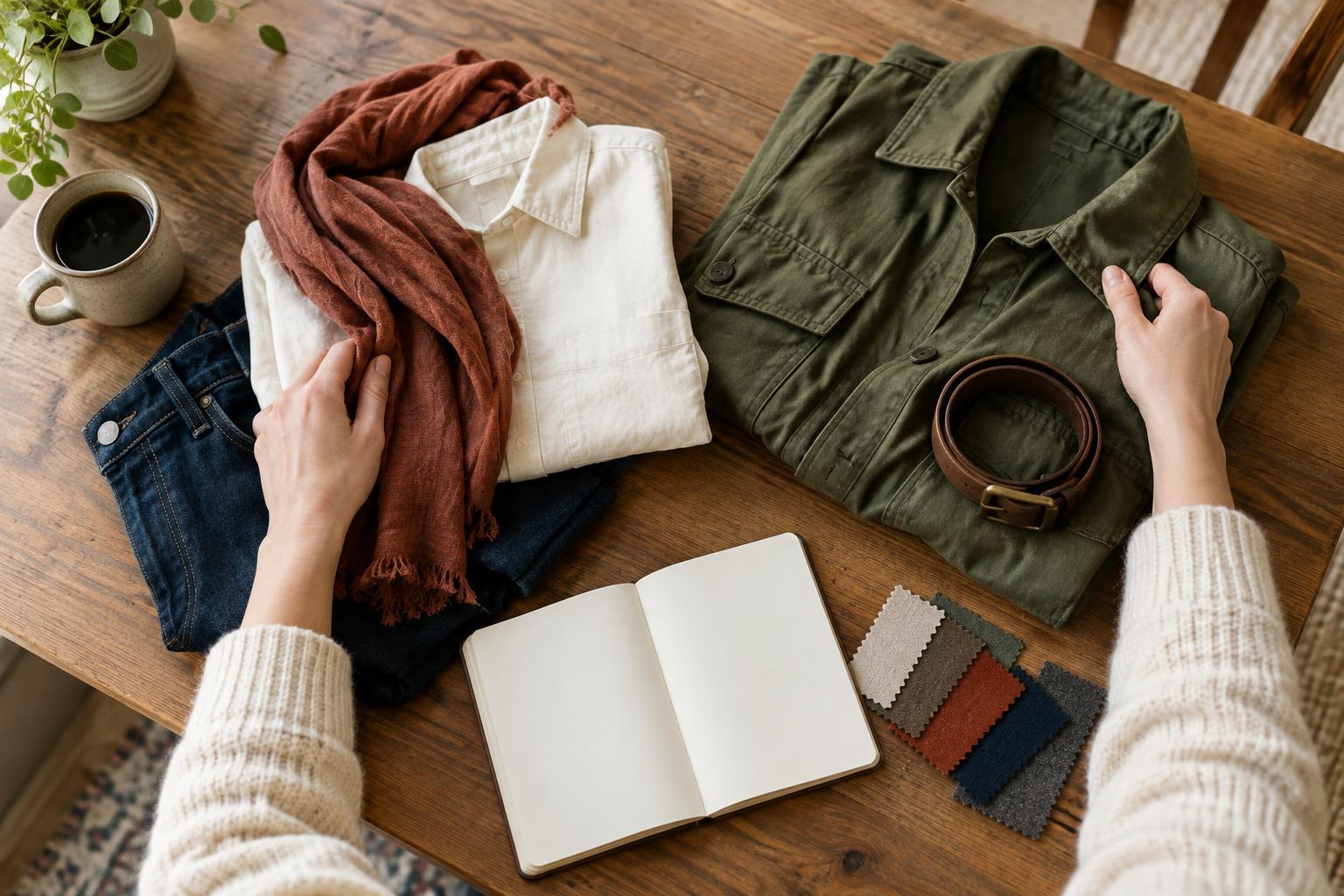
For an unfamiliar dress code, put together two options a day or more before the event: one that feels safely within the brief and one that feels slightly more expressive. Compare them using three questions. Does each outfit suit the setting? Can I spend the occasion comfortably in it? What detail makes it feel like me? You may find that the best answer is the dependable base from one option paired with the personal detail from the other.
When the wording remains unclear, it is reasonable to ask the host or organiser a specific question, such as whether a particular type of footwear suits the venue. You do not need permission for every style choice; you are simply checking a practical boundary. Once you know it, dress codes become less like a test and more like a creative constraint: enough direction to guide you, with room left for your own point of view.