Start with the shape you want
Before choosing extra pieces, decide what you want the finished outfit to do. You might want a neat outline under a coat, a loose shape that moves easily, or enough warmth to take off a layer indoors. Having a goal makes it easier to tell whether a garment adds something useful or simply gets in the way.
Put on the base outfit and check it from the front, side and back. Notice where fabric already gathers: around the waist, beneath the arms or at the wrists. Those areas may feel crowded once another layer goes on. You do not need to eliminate every fold. The aim is to leave enough room for comfortable movement while keeping the outline intentional.
Layering is not about making your body look smaller. It is about deciding where fabric sits, which details stay visible and how the pieces work together. A roomy outfit can look deliberate; a close-fitting one can feel awkward if its layers pull against each other.
Build from thinner, smoother pieces
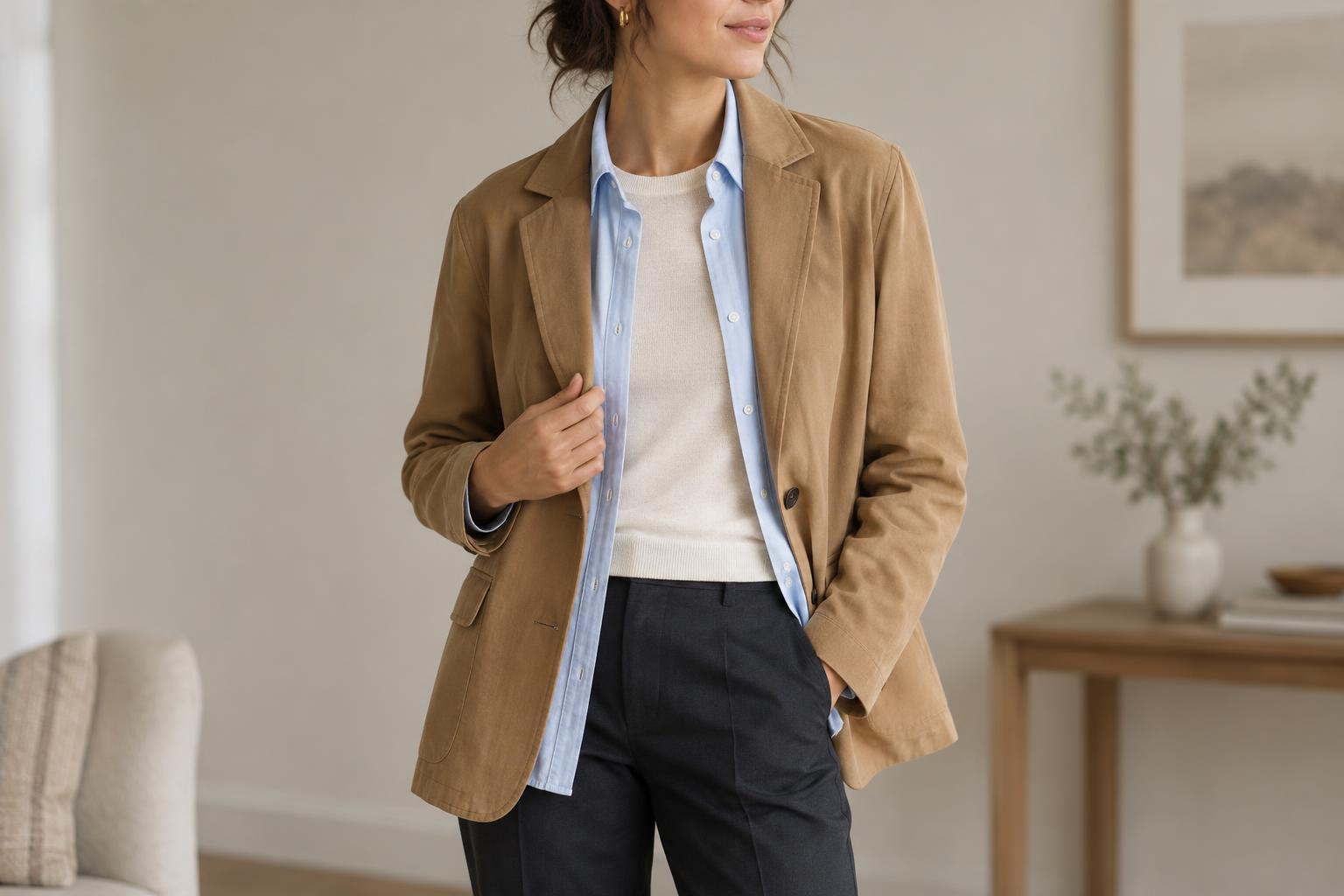
A reliable starting point is to place thinner, smoother pieces closest to the body and allow more structured or spacious garments to sit outside them. For example, a light top may fit comfortably beneath an open shirt, which can then sit under a jacket with room through the shoulders. Each layer has a job, and none has to carry the whole outfit.
Pay attention to how fabrics behave together, not just how thick they look on a hanger. Two soft pieces can cling or bunch when they rub against each other. A smooth inner layer may help an outer piece slide into place, while a stiff inner shirt may create folds beneath a close-fitting sweater. If something twists every time you move, try changing the order or swapping one piece.
Warmth does not always require piling on heavy garments. A comfortable inner layer and an outer layer that closes properly may be more useful than several bulky pieces that restrict movement. Choose according to your surroundings and how easily you need to adjust during the day.
Give volume a clear place to go
You can wear loose pieces together, but it helps to decide where you want the most volume. A full sweater may sit more comfortably over a relatively smooth shirt than over another roomy top. A wide outer jacket, on the other hand, may give a loose middle layer enough space to drape. What matters is whether the layers have room to fall as intended.
Check the points where garments overlap. A thick hem tucked into a waistband can create a ridge, and stacked cuffs can crowd the wrists. Try leaving a hem untucked, using a shorter middle layer, or letting a shirt cuff show only if it lies comfortably. When trying on an outfit, raise your arms, sit down and reach forward. These small movements reveal bunching that a mirror pose can miss.
If a combination feels too full, change one thing at a time. Remove a layer, switch a thick piece for a lighter one, or choose an outer garment with a different cut. That makes it easier to learn which adjustment actually improves the outfit.
Use openings and edges to create definition
Layering becomes easier to read when each visible edge has a purpose. An open overshirt can frame a contrasting top; a jacket with a clean front can let a patterned scarf stand out. You do not need to show every piece at once. Often, a small amount of colour at the neckline, hem or cuff is enough to connect the outfit.
Open and closed versions of the same outfit can feel surprisingly different. Try fastening a cardigan, then leaving it open. Try a scarf hanging loosely, then wrapped closer to the neck. Look at where the eye goes and whether the fabric falls smoothly. These adjustments can change the outline without adding or removing clothes.
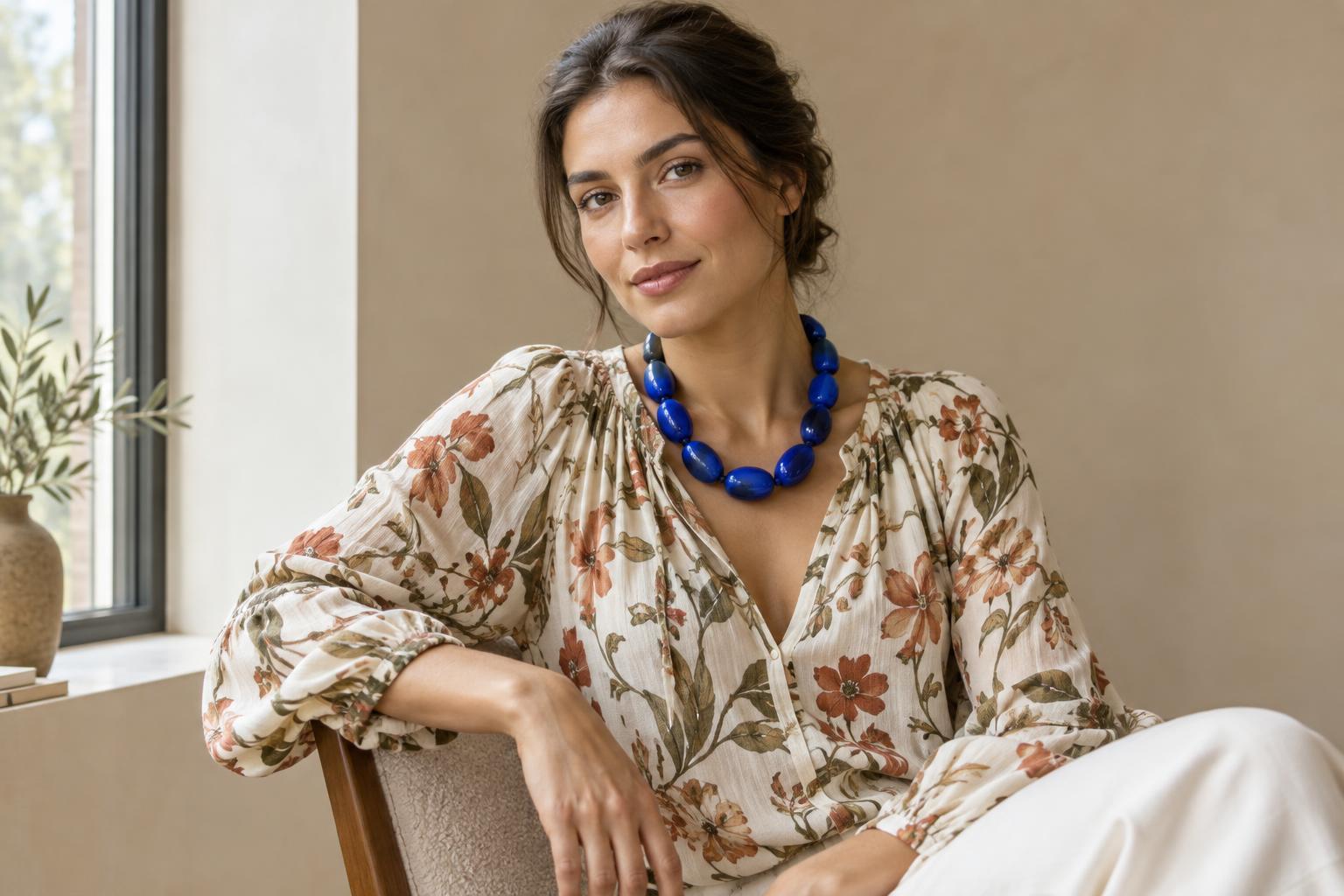
Accessories deserve room too. A large necklace may be easier to see against a simple neckline than between several collars. A statement belt may work best when the layers around it lie flat. Let one detail take the lead rather than asking every edge, print and accessory to compete.
Make a layering test you can repeat
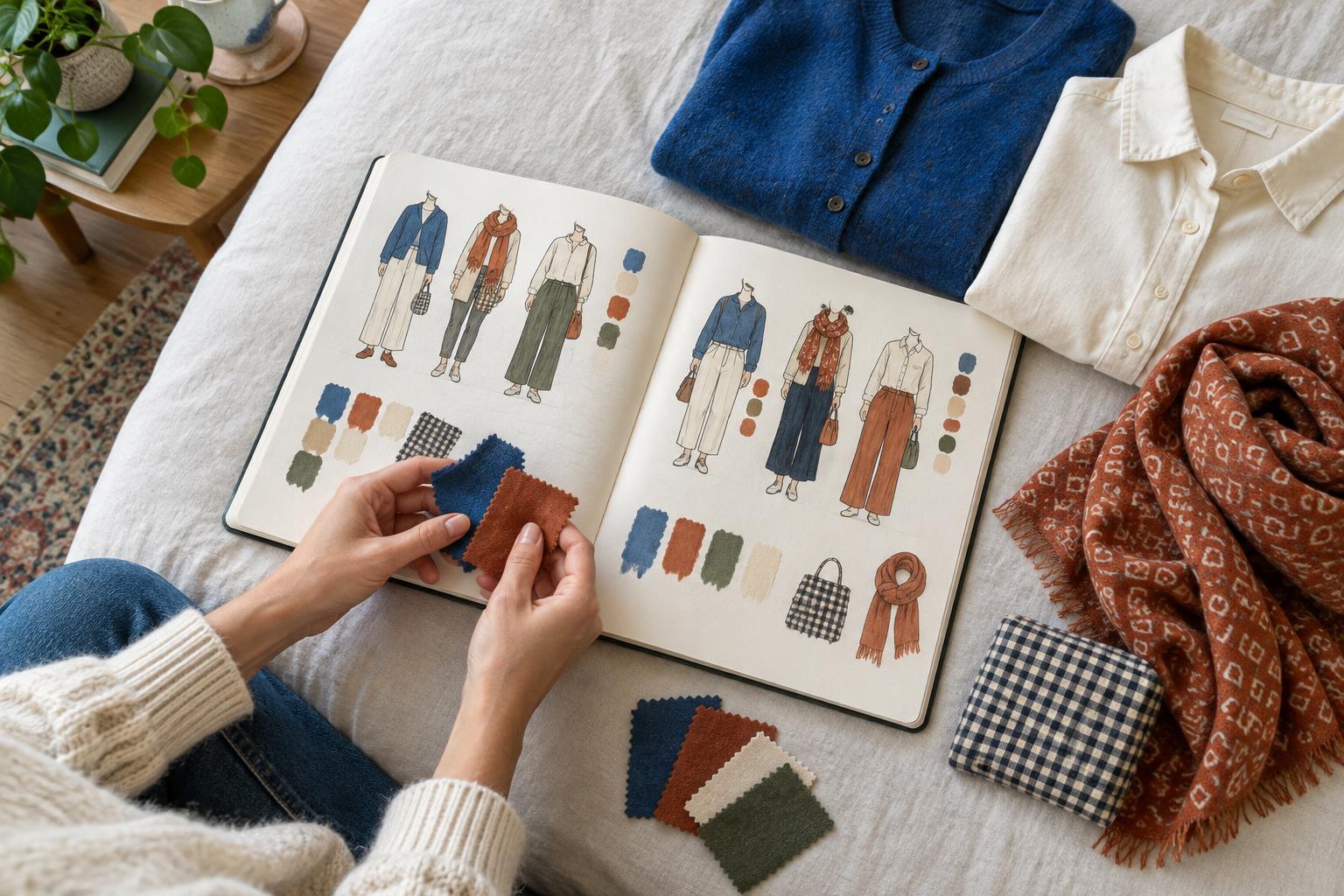
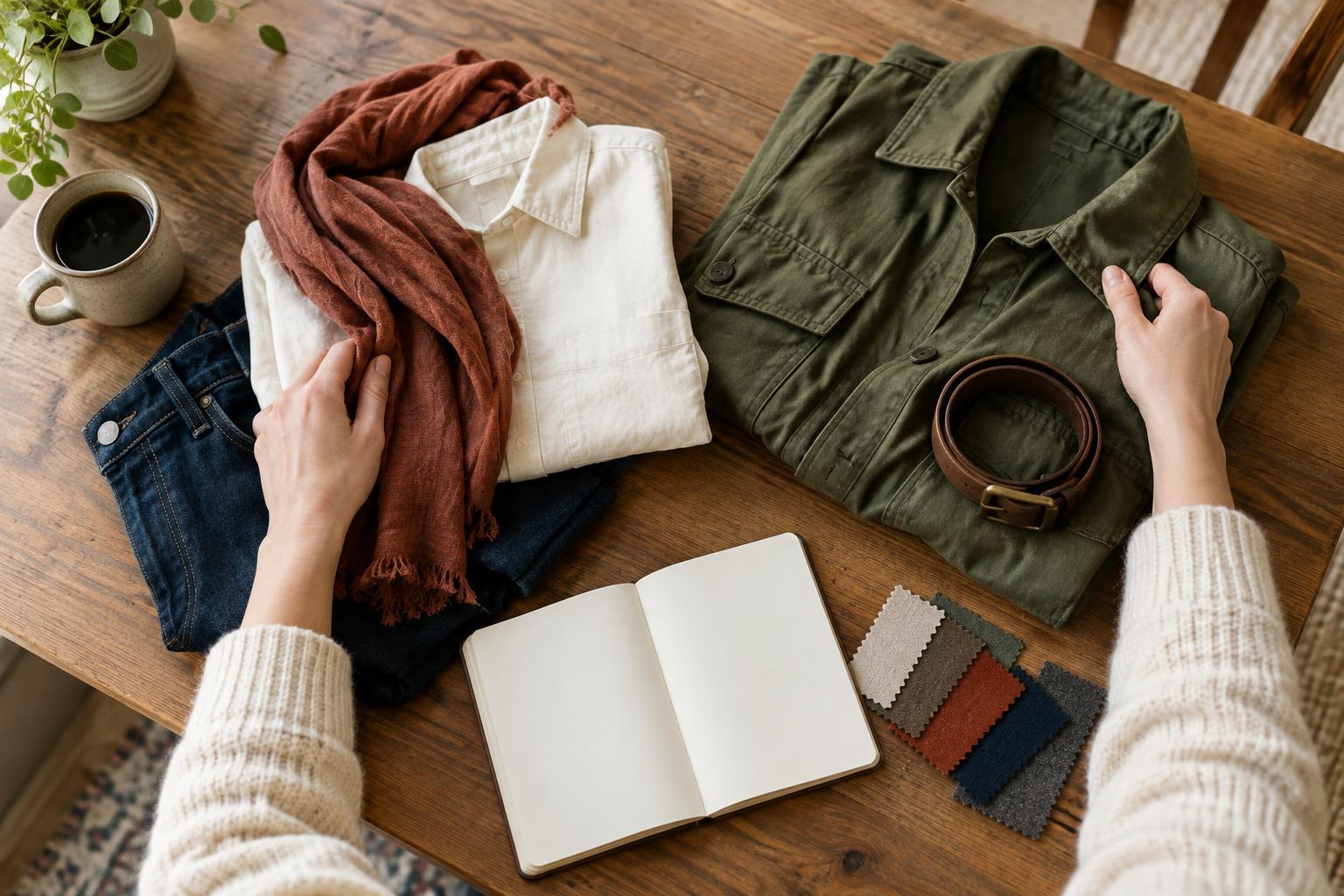
Choose three pieces you already own: a base, a middle layer and an outer layer. Put them on in that order and note what feels good and what catches, shifts or bunches. Then change only the middle layer. Compare how the two versions move and where the fabric gathers. This quick exercise helps you learn your own clothes rather than relying on a fixed formula.
If you like taking outfit photos, capture both versions from the same angle. The goal is not to judge your body; it is to see how colours, lengths and shapes read together. You may discover that a visible hem brings balance to an outfit, or that removing one folded cuff makes the whole combination feel calmer.
Keep the version that lets you move easily and expresses the look you intended. Good layering is less about the number of garments than about giving each one enough space and a clear role.