Start with the feeling, not the dress code
Mixing casual and dressy clothes works best when you know what you want the outfit to express. Perhaps you want to look put together without feeling formal, or add a little playfulness to something tailored. That intention gives you a way to choose pieces instead of simply pairing the smartest and most relaxed things in your wardrobe.
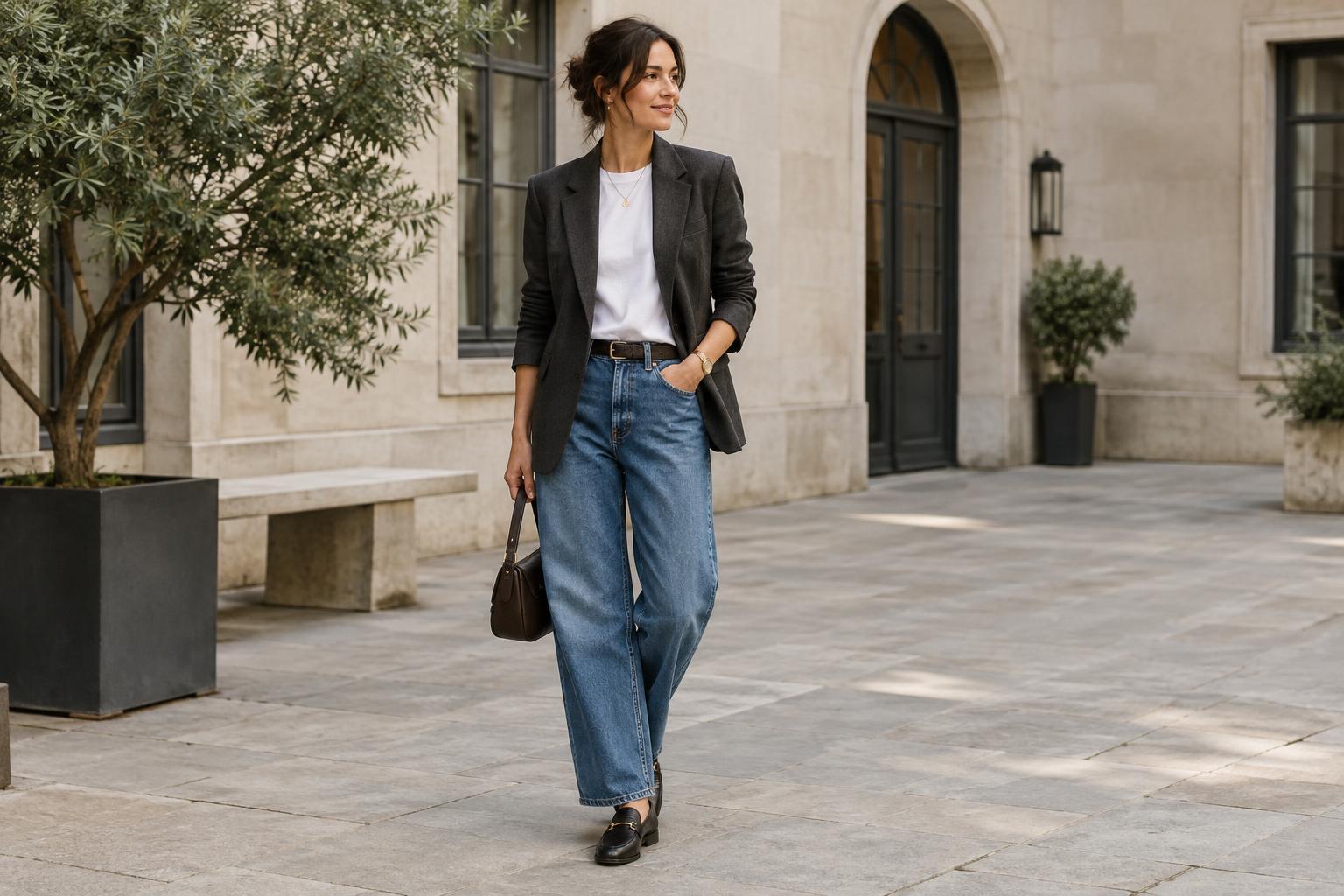
Begin with one anchor: a blazer you enjoy wearing, an easy pair of jeans, a slip skirt or a crisp shirt. Then add one piece from the opposite end of the spectrum. A blazer can sit over a plain T-shirt; a fluid skirt can work with a substantial knit. Keep the first version simple. Once you can see the contrast clearly, it is easier to decide whether the outfit needs anything else.
Give contrasting pieces something in common
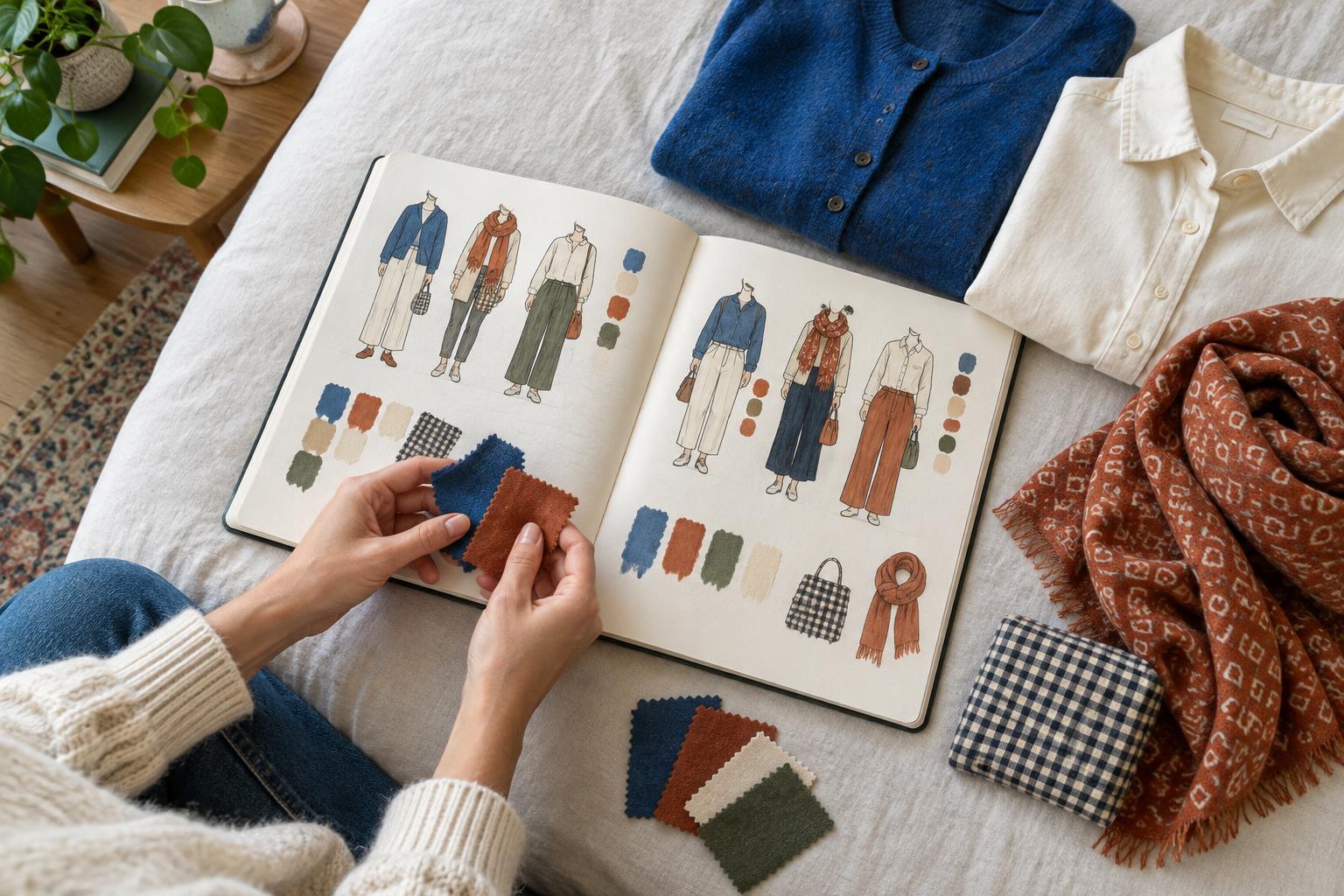
Contrast attracts attention, but a shared detail helps the outfit feel connected. Colour is one option: dark jeans and a dark tailored jacket create a continuous line even when their textures differ. Repeating a colour in a top and shoes can have a similar effect. You do not need an exact match; related shades can be enough.
Shape and texture can provide a connection, too. A soft cotton shirt can echo the relaxed shape of wide-leg trousers, while a structured bag can relate to the sharp lines of a blazer. Try to identify one visible link between your most casual and most dressy pieces. This gives the eye a path through the outfit without removing the contrast that makes it interesting.
If a combination feels busy, reduce the number of competing ideas before changing the whole look. A plain top may let patterned trousers and polished shoes speak for themselves. A quieter bag may be all a colourful outfit needs.
Use fit and proportion to set the balance
Fit often determines whether a high-low combination feels deliberate. An oversized sweatshirt with wide, tailored trousers can create a relaxed silhouette, but you may want to define one edge: tuck the front of the sweatshirt, show the waistband or choose a trouser length that leaves the shoes visible. These are options, not rules. The aim is to make the shapes readable.
Think about where the outfit carries its visual weight. If the top is loose and bulky, a straighter lower half can offer contrast. If a dressy skirt has plenty of volume, a fitted T-shirt or shorter jacket may let its shape stand out. You can also choose volume throughout for an intentionally roomy look; in that case, consider whether a visible wrist, neckline or clean hem gives the eye a place to pause.
Check the outfit while sitting and walking, not just standing in front of a mirror. A combination is easier to wear confidently when the layers stay comfortable and the proportions still make sense in motion.
Let shoes and accessories set the tone
Shoes can shift the same clothes in different directions. Jeans and a button-up shirt may feel more polished with sleek leather shoes, or more relaxed with simple trainers. Neither choice is automatically better. Choose according to the setting and how much contrast you want. A casual shoe with a dressy outfit can be a strong focal point, especially when the rest of the look stays relatively restrained.
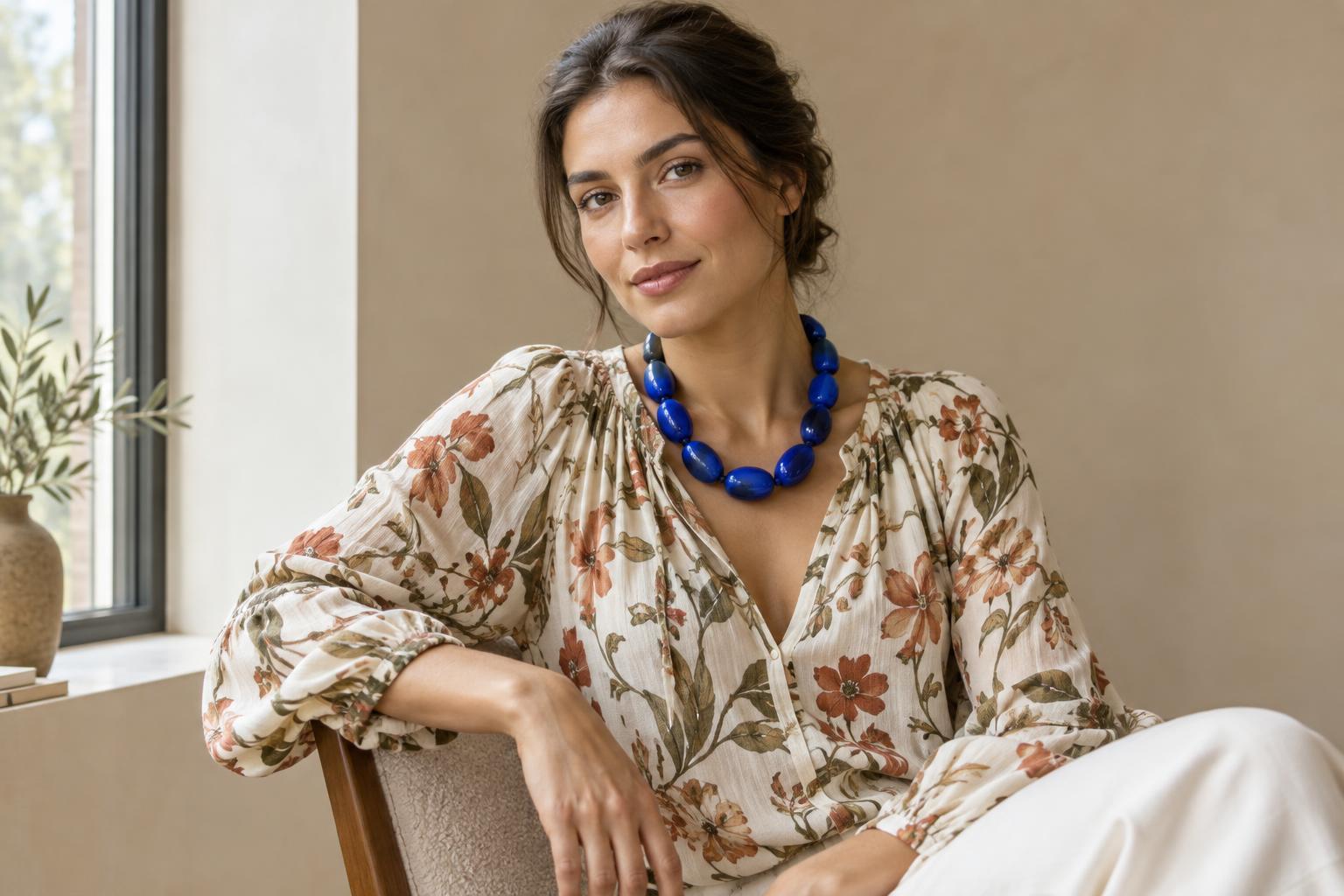
Accessories are useful bridges between styles. A small, structured bag can sharpen a loose shirt and denim; a canvas tote can soften a tailored coat. Jewellery can serve the same purpose. One noticeable piece often has more impact than several unrelated details. If the outfit already includes a bold colour or pattern, try the accessories both with and without it to see which version feels more like you.
Build a small outfit experiment
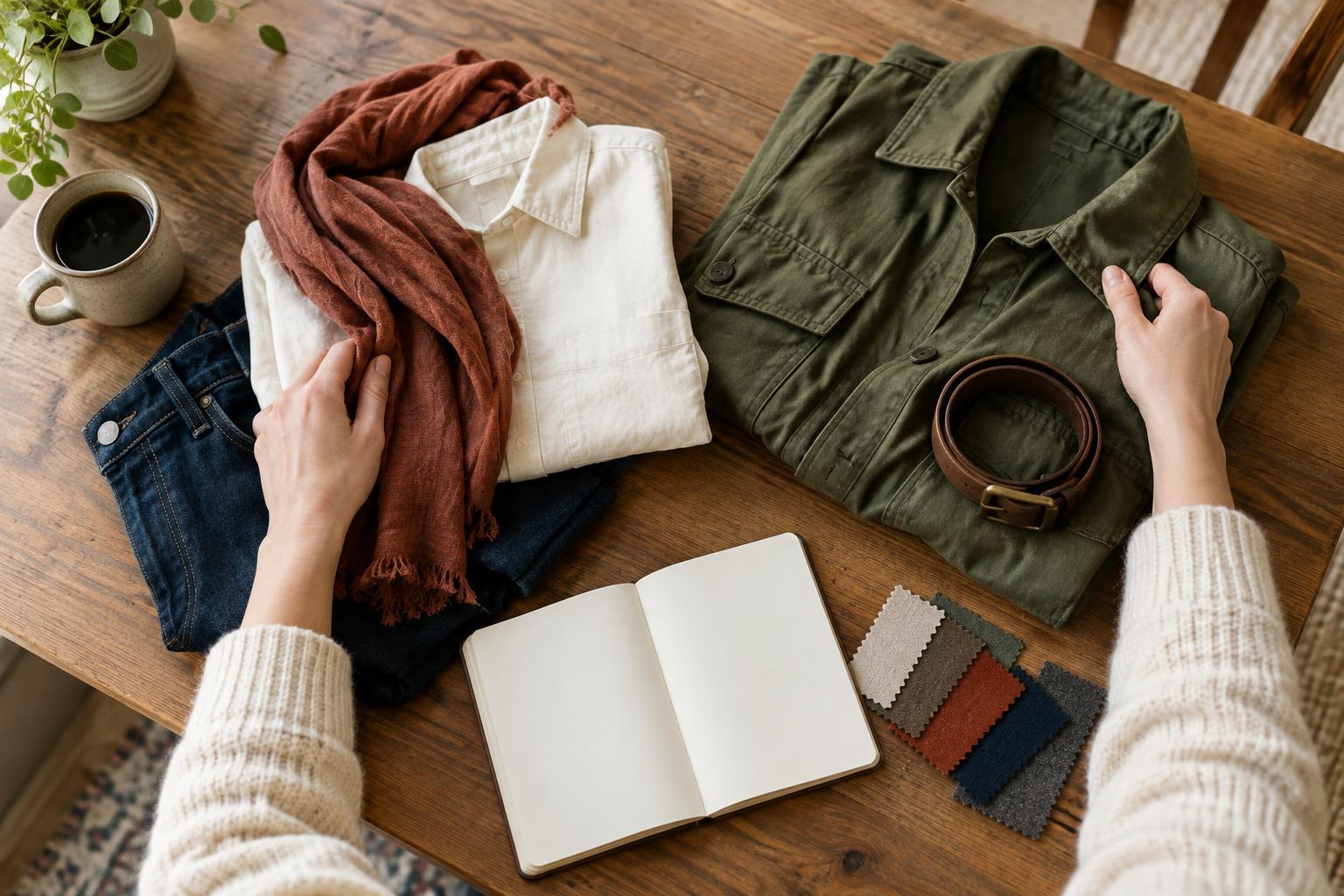
Choose one dressy item you rarely wear and style it three ways with everyday clothes you already own. For example, pair tailored trousers with a T-shirt, then a sweatshirt, then a casual overshirt. Keep the trousers and shoes the same at first so you can see what each change does. Next, change only the shoes or bag. This makes the effect of each choice easier to notice.
Take a quick photo of each version if that helps you compare them. Look for the combination that feels both comfortable and expressive, rather than the one that follows an imagined formula. Note which shared colour, shape or texture makes it work. Over time, those observations become a personal guide: you learn how much polish you like, where you prefer ease and which contrasts feel natural to you.