Start with the life you are living now
A move, a new role, a shift in family life, or another major change can alter the settings in which you get dressed. Clothes that once felt effortless may no longer suit your routine. That does not mean your old style was wrong, or that you need an entirely new identity. It may simply mean your wardrobe was built around a different version of an ordinary day.
Before looking for inspiration, write down what you actually dress for in a typical week. Include the obvious occasions, but also the in-between moments: travel, errands, time at home, informal visits, or days that move between several places. Then note what you need your clothes to do. Perhaps you want room to move, an easy way to look put together, or one expressive detail in an otherwise simple outfit. These observations give you a more useful starting point than asking, “What should my new style be?”
Keep the parts of your style that still feel like yours
A life change does not erase every preference you had before it. You might still love strong colour, clean lines, worn-in textures, or a particular kind of jewellery, even if the way you wear them needs to change. Look through your wardrobe for pieces you reach for without much thought. What do they have in common? Pay attention to shape, fabric, colour, and the feeling you associate with wearing them.
Try choosing three words to describe the qualities you want to keep. They do not have to be conventional style labels. “Relaxed, bright, deliberate” is just as useful as “minimal” or “classic” if it helps you make choices. Put the words somewhere you can refer to them while assembling outfits. Treat them as prompts, not rules: if an item delights you but does not fit the list, you are allowed to wear it.
Give your wardrobe a low-pressure review
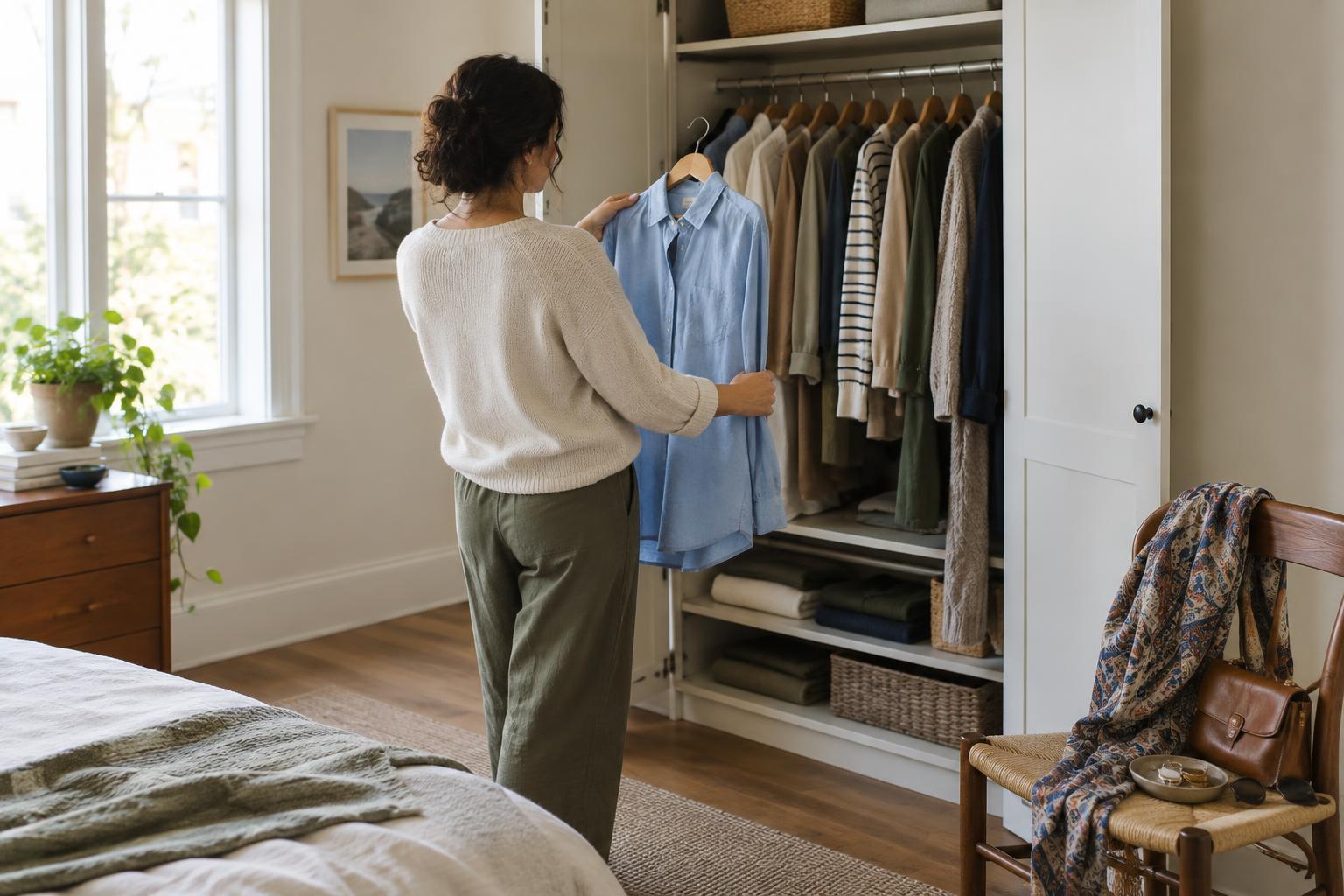
Instead of emptying every drawer at once, review one small group of items, such as shirts or shoes. Make three simple piles: wear now, revisit later, and ready to let go. The middle pile matters. A garment can hold a memory, fit a different season, or feel too closely tied to a recent change. You do not have to decide its future during a single afternoon.
For the pieces you want to wear now, build a few complete outfits and notice where you hesitate. Is the issue comfort, fit, care, or the way an item works with everything else? Sometimes a different pairing solves the problem. Sometimes an alteration may help. And sometimes an item is beautiful but does not serve your present routine. The goal is not to achieve a perfectly edited wardrobe; it is to make getting dressed a little clearer.
Experiment with details before making big changes
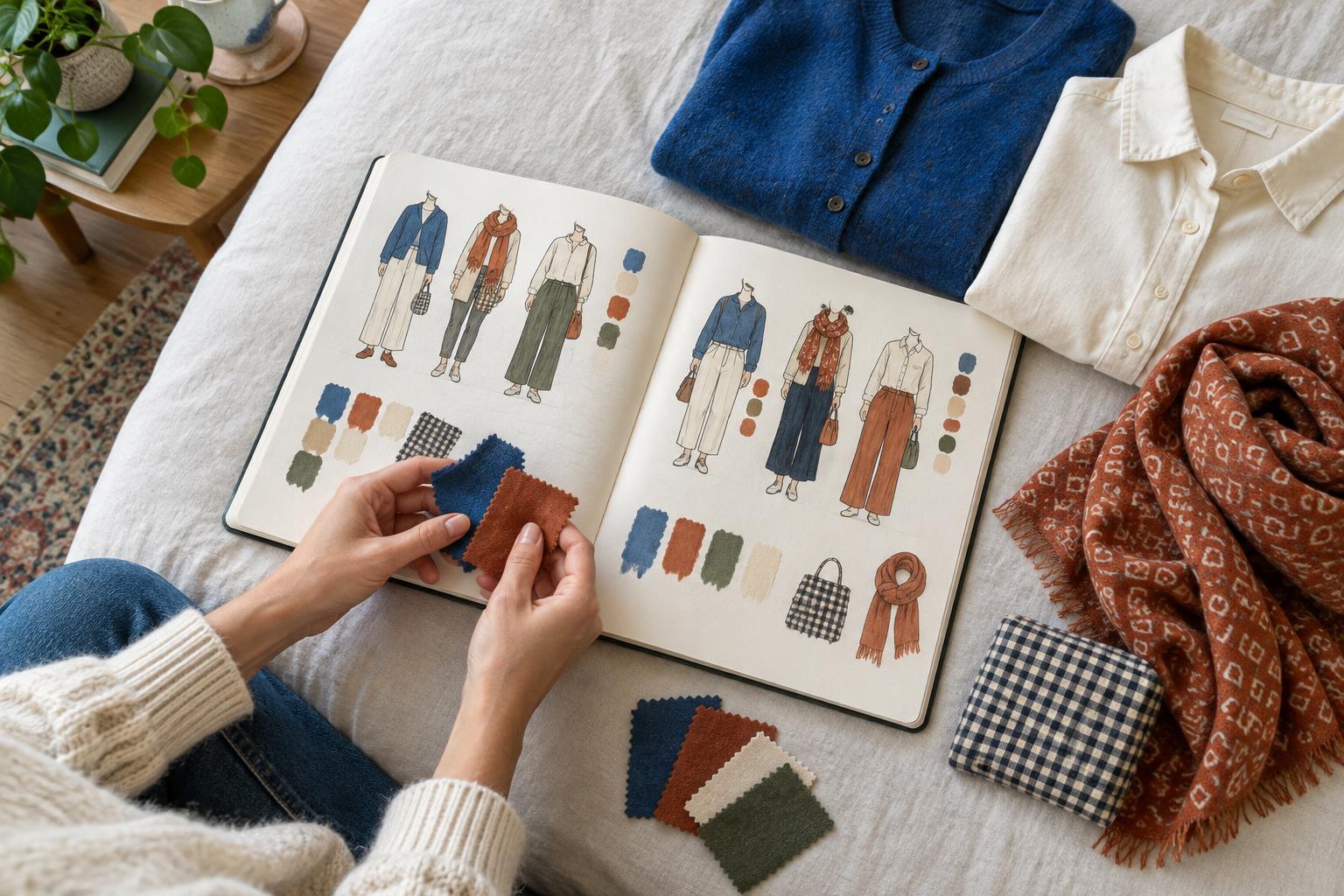
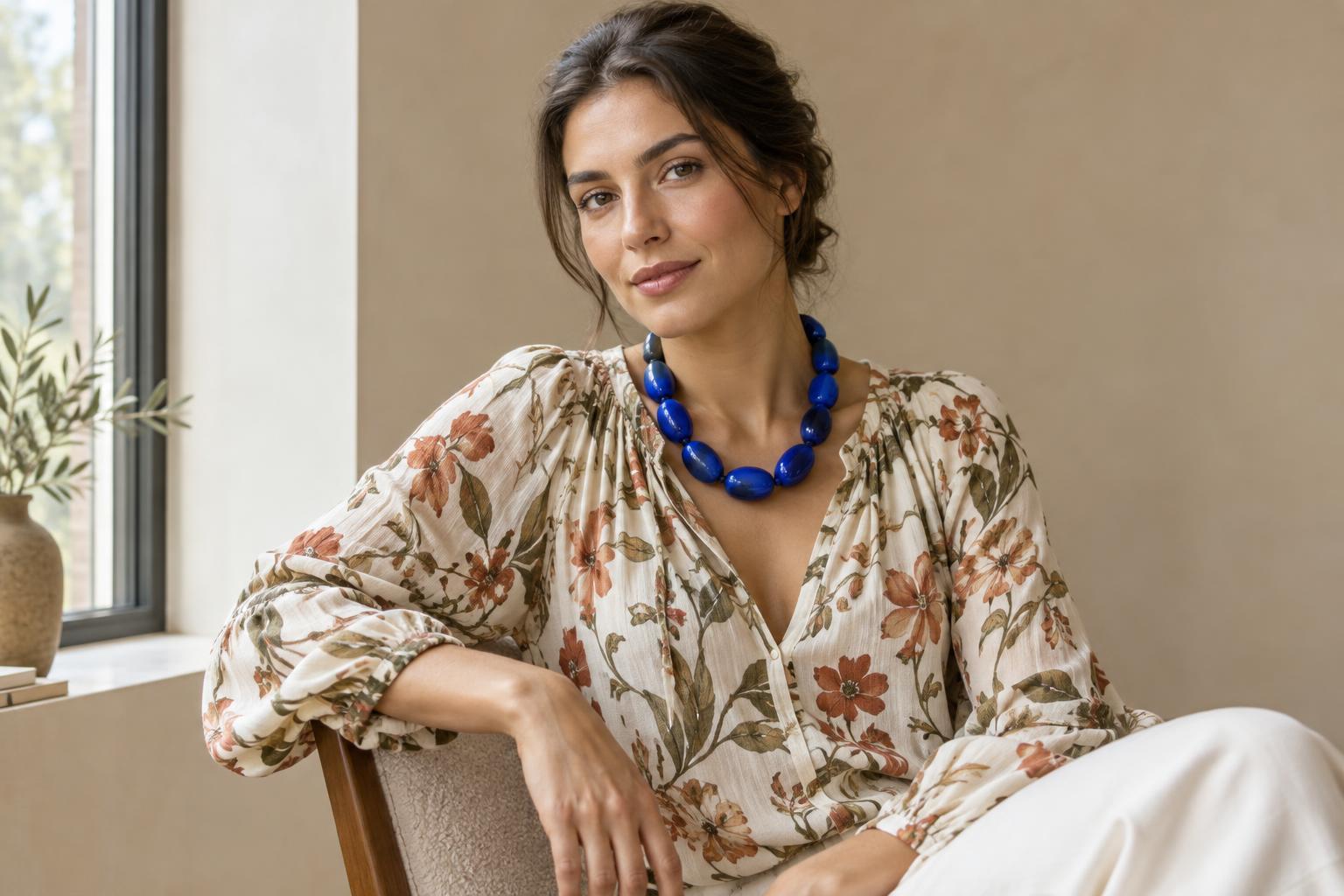
Creative identity can show up in small choices. If you are unsure about a new direction, start with an accessory, a colour pairing, or a different way of layering what you already own. A vivid scarf can change the mood of a familiar coat. A structured bag can add definition to a relaxed outfit. These experiments let you explore without committing to a full wardrobe overhaul.
Set aside a short session to make three versions of one outfit: one that feels easy, one that feels more expressive, and one that falls between the two. Take photos if that helps you compare them, but focus on how each version feels to wear rather than how it looks on a screen. Notice which details make you stand a little more comfortably in yourself. Repeat the exercise with another outfit before deciding whether you need to buy anything.
Let the new version take shape over time
You may feel pressure to dress like you have fully arrived at the next chapter. In practice, style can develop gradually, alongside your routines and sense of self. A useful wardrobe does not have to tell one fixed story. It can make room for different moods, settings, and degrees of visibility.
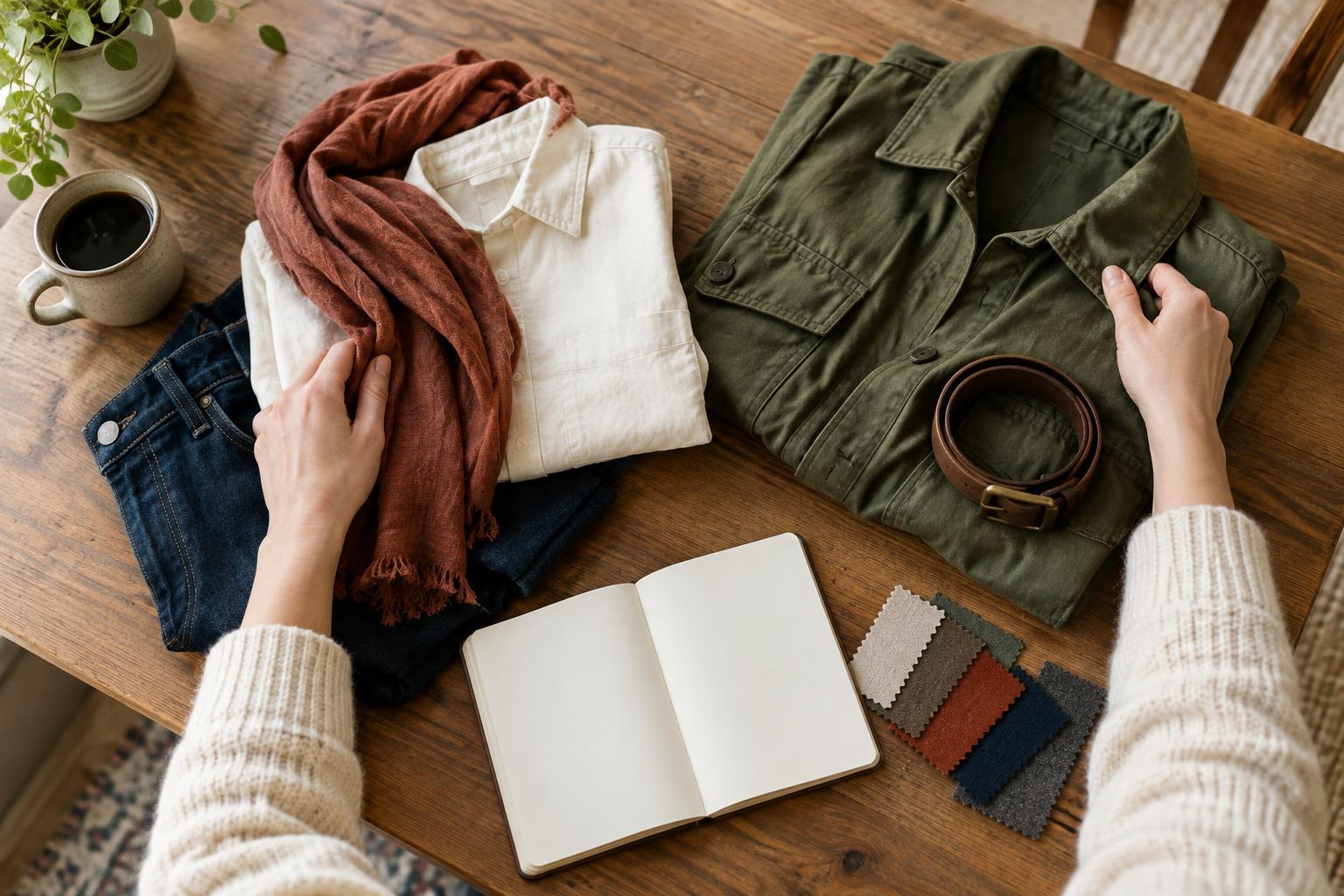
Keep a brief note of outfits that worked and why: “easy to move in,” “felt like me,” or “good for a long day.” After a few weeks, look for patterns rather than isolated successes. Those patterns can guide a future purchase or help you rediscover something you own. Revisiting your style is less about replacing the person you were than giving the person you are enough room to get dressed.