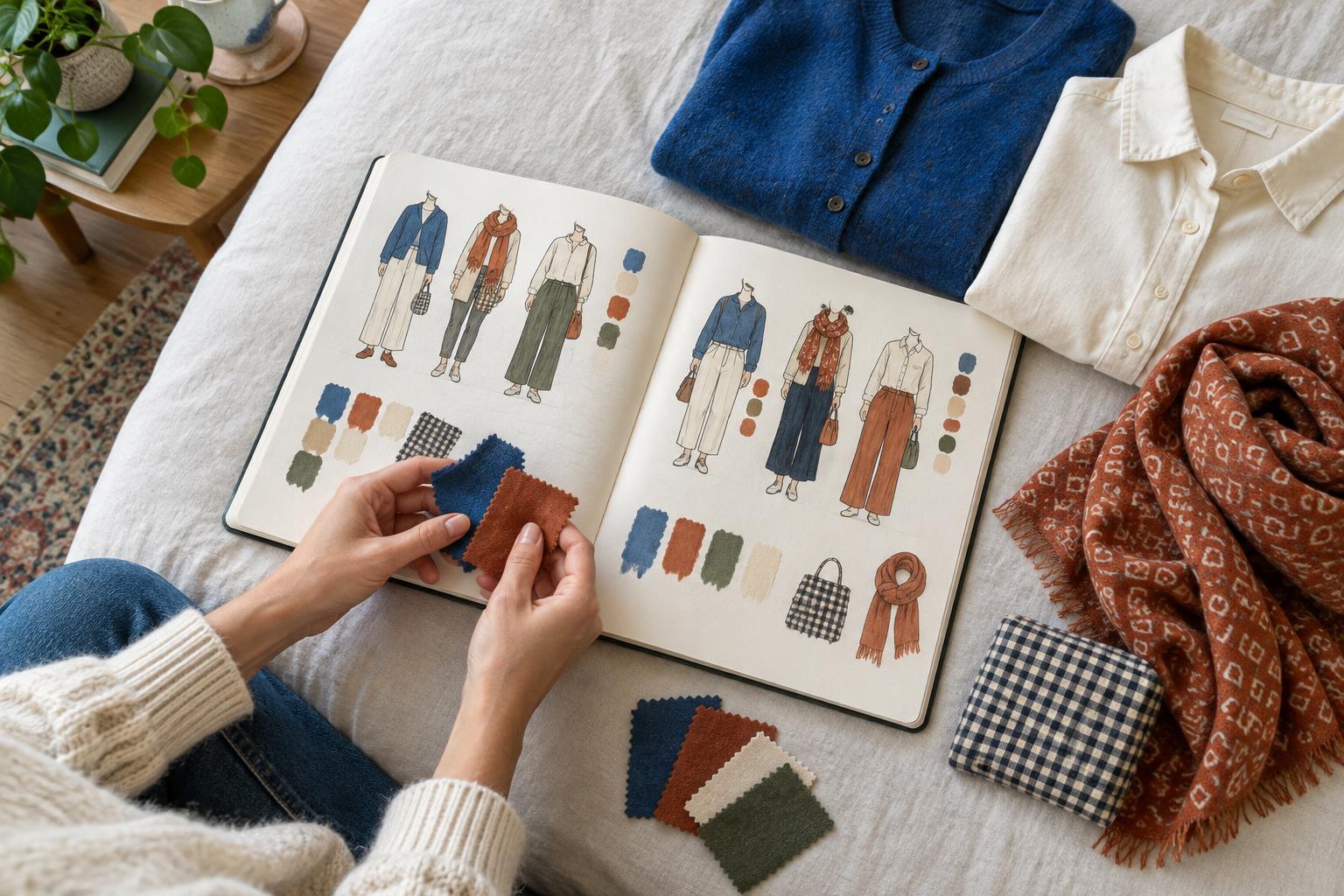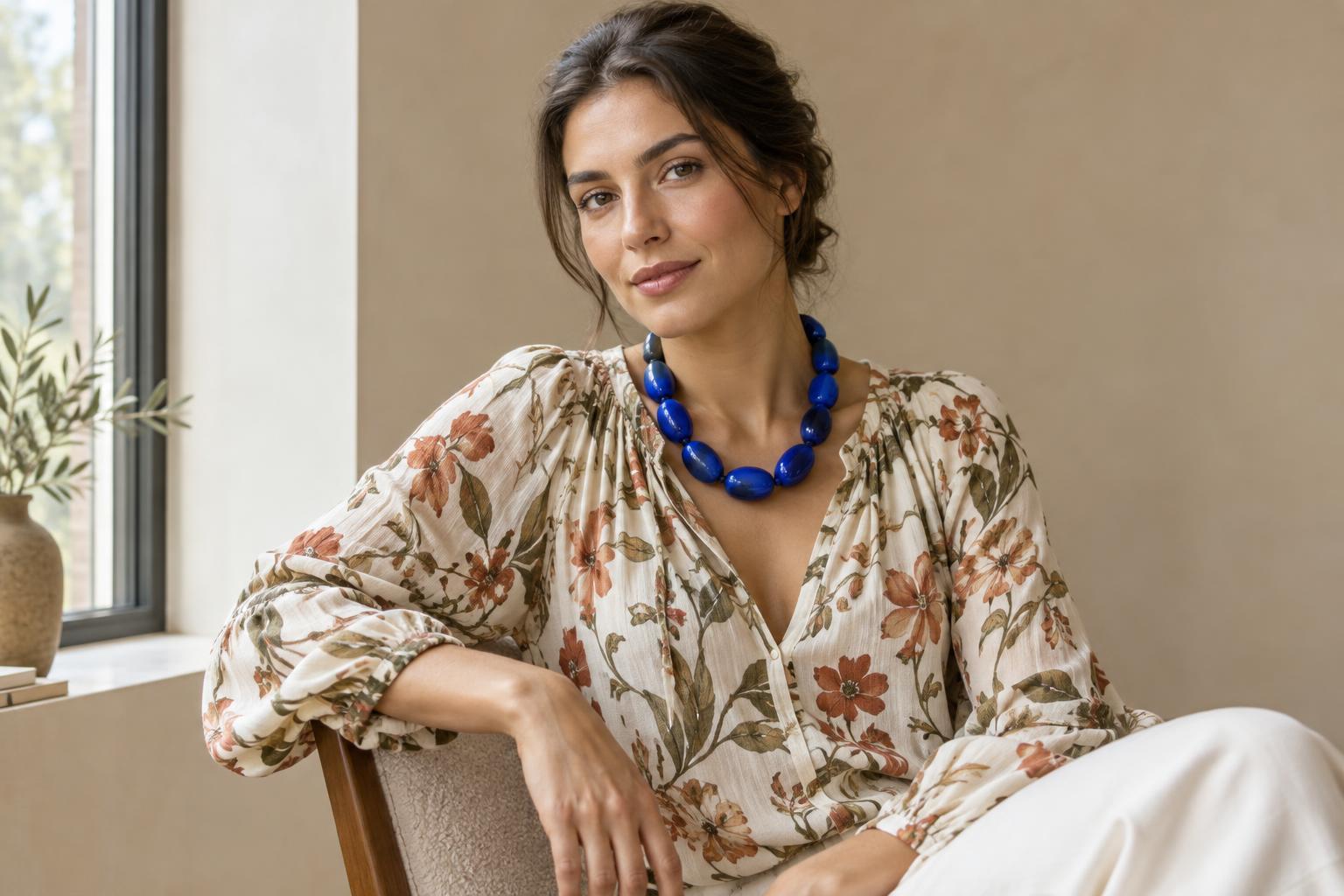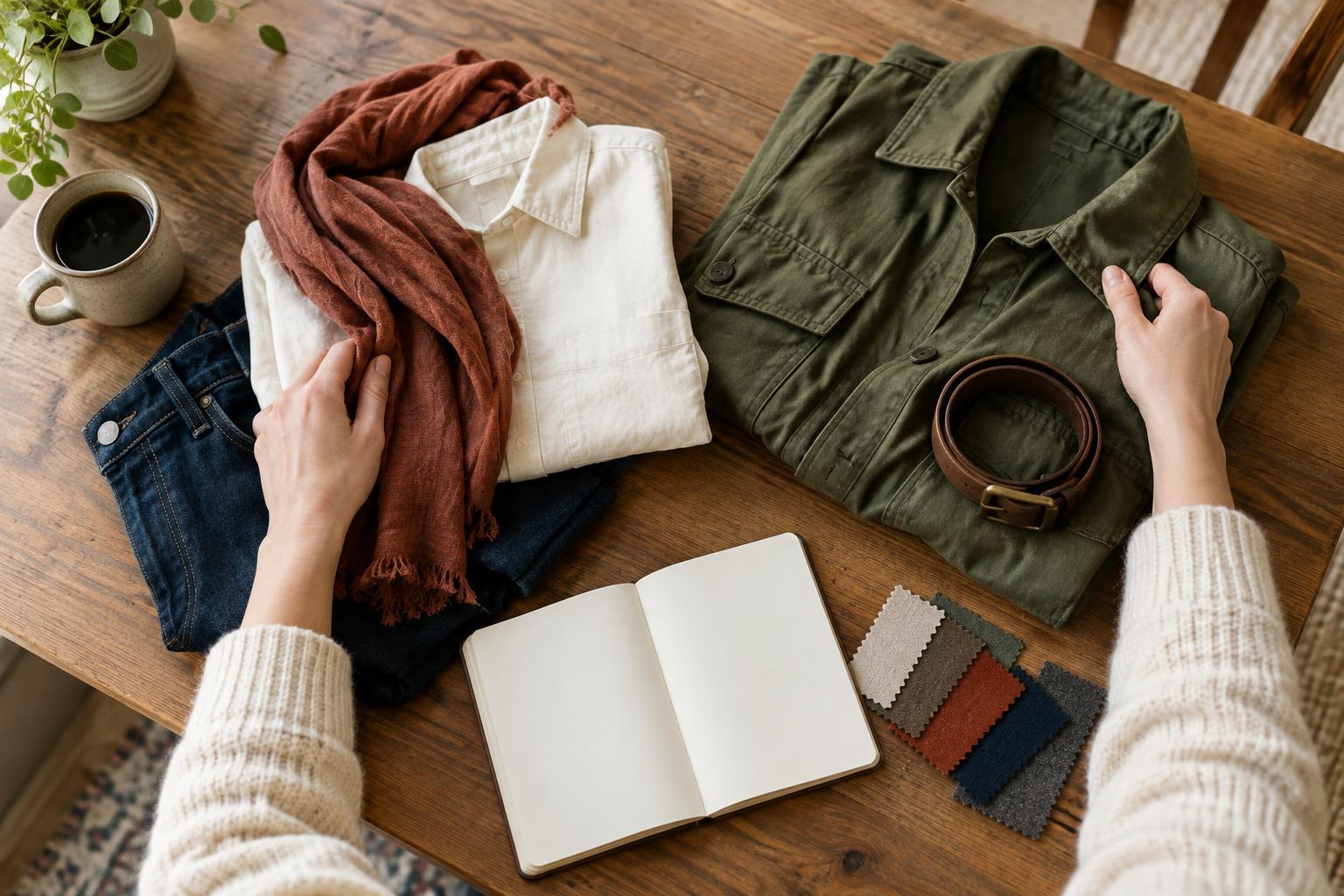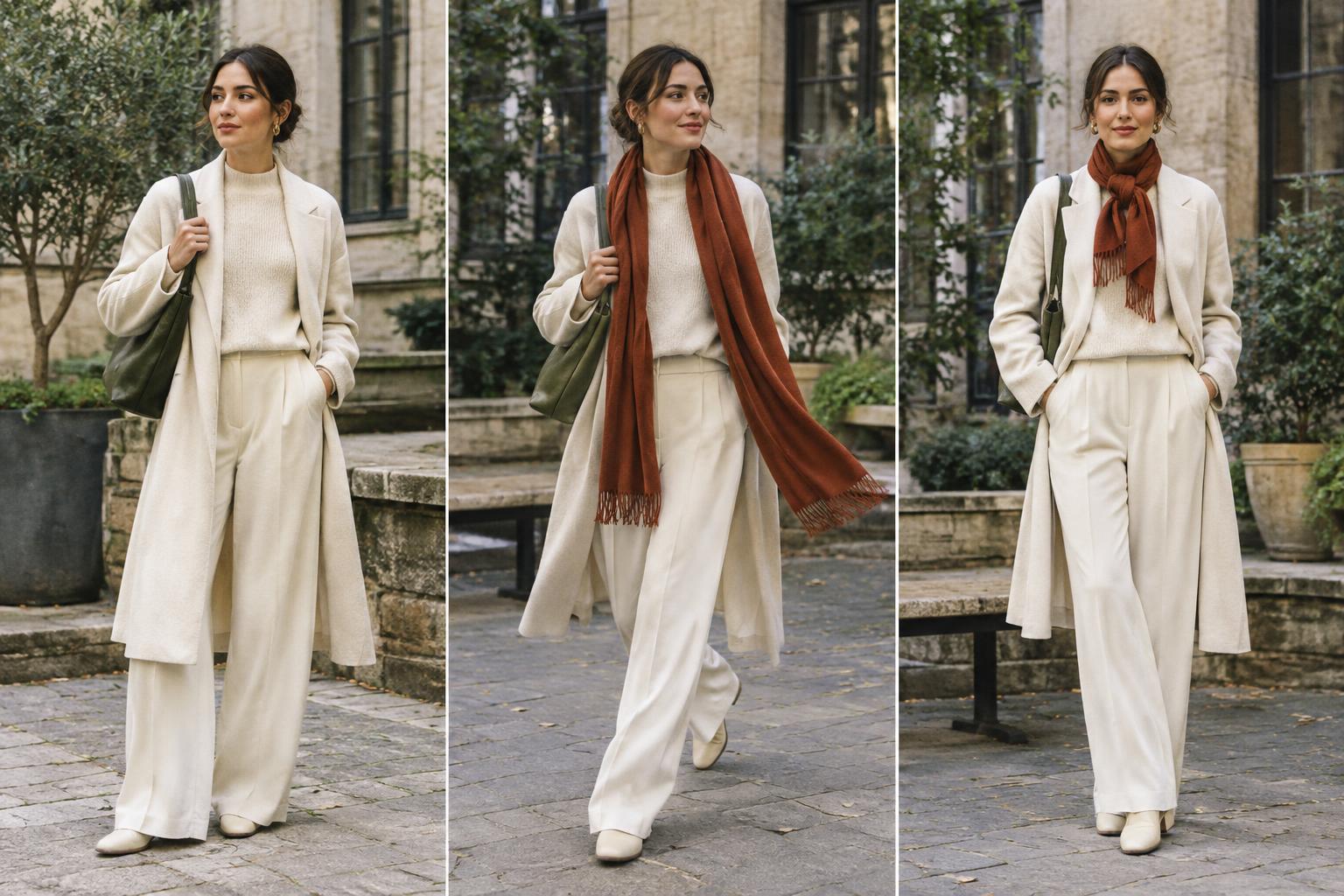
Start with one idea, not three outfits
A three-image outfit story works best when you can describe its central idea in one sentence. Try “a quiet look becoming more expressive” or “one jacket moving through different parts of my day.” This gives you a way to choose what belongs in each frame. Without that thread, three good outfits may still feel like an unrelated gallery.
Decide what the viewer should notice changing. It might be colour, silhouette, formality, mood or the way you wear a single accessory. Then choose something that will stay recognizable across the sequence: a coat, a colour, a location or even a repeated pose. The changing element creates movement; the repeated element helps the viewer understand that all three images belong to the same story.
Use the first image to introduce the world
The beginning should give the viewer a clear point of entry. Show enough of the outfit to establish its shape and enough of the surroundings to suggest a mood. If the story is about a red scarf becoming the centre of a look, the first frame might show it loosely tied with otherwise understated clothing. The scarf is visible, but it has not yet taken over.
Keep this image relatively simple. A straightforward stance and uncluttered background make it easier to recognize the changes that follow. You do not have to explain everything at once: a detail can remain slightly understated here so that the next image has somewhere to go.
Let the middle make a visible move
The second image needs to do more than offer another angle. Change one meaningful thing while preserving the thread you established. You could layer a patterned shirt beneath the same jacket, bring the scarf forward as a belt or move from a still pose to a more active one. The middle is where the viewer sees the idea being tested or expanded.
Aim for a change that can be read without a caption. If every element changes at once—the clothes, backdrop, lighting and pose—the connection may be hard to follow. If nothing changes except your position in the frame, the sequence may feel repetitive. Try laying the first two images side by side and asking: What stayed the same, and what new possibility does the second image introduce?
Make the final image feel like a resolution
An ending does not need to be the brightest or most elaborate outfit. It needs to answer the question your first image raised. A quiet-to-expressive story might end with the original scarf tied prominently over a bold layer. A story about adapting one jacket might finish with the version that feels most personally distinctive, rather than the most dressed up.
You can signal resolution through composition as well as clothes. A closer crop can draw attention to the detail you have been developing; a wider frame can show how the finished look fits its setting. Choose the framing because it supports the idea, not simply because the third image needs to look different. If you covered the first two frames, would the last still communicate a clear feeling? If you revealed them again, would that feeling seem earned?
Edit the sequence as one piece
Before sharing the images, put them in order and view them at the size a reader is likely to see. Check that the repeated element remains visible and that the change between frames is easy to spot. Consistent lighting or similar framing can help, but perfect uniformity is not necessary. A shift in setting may be useful when the setting is part of the story.
For a simple exercise, photograph one base outfit three ways: first as you would normally wear it, then with one expressive adjustment, and finally with a version that brings the idea together. Select one image for each role rather than choosing only your three favourite photographs. If a frame is attractive but does not help the sequence move forward, save it for another story. A successful set leaves the viewer with a sense of progression—and a clearer picture of what you wanted the clothes to say.