What a style label can do
Minimalist, romantic, sporty, eclectic: a style label can turn a vague preference into words you can use. It may help you explain why certain pieces appeal to you, search for ideas more deliberately, or notice what your favourite outfits have in common. If getting dressed feels overwhelming, a label can also be a useful starting point. “I like clean lines” is easier to act on than “I need an entirely new wardrobe.”
The trouble starts when a description becomes a requirement. You might like soft, romantic details and still want sturdy boots. You might prefer simple outfits most days and enjoy one loud patterned coat. A label describes a tendency; it does not have to account for every item you own or every version of yourself you want to show.
Notice what happens when you use the label
Think of the last few times you described your style to yourself or someone else. Did the label make a choice easier? Perhaps it helped you pass on a purchase that looked appealing but would not work with the clothes you enjoy wearing. Did it help you put an outfit together, or give you a clearer way to ask for suggestions? Those are signs that the word is doing a useful job.
Now look for moments of hesitation. Have you avoided a colour, accessory or silhouette you genuinely liked because it was not “you”? Do you feel obliged to buy the pieces associated with a label, even when they do not suit your routines? If the word makes you defend ordinary choices—such as dressing differently for work, a celebration or a quiet day—it may be narrowing your options rather than clarifying them.
Run a small wardrobe test
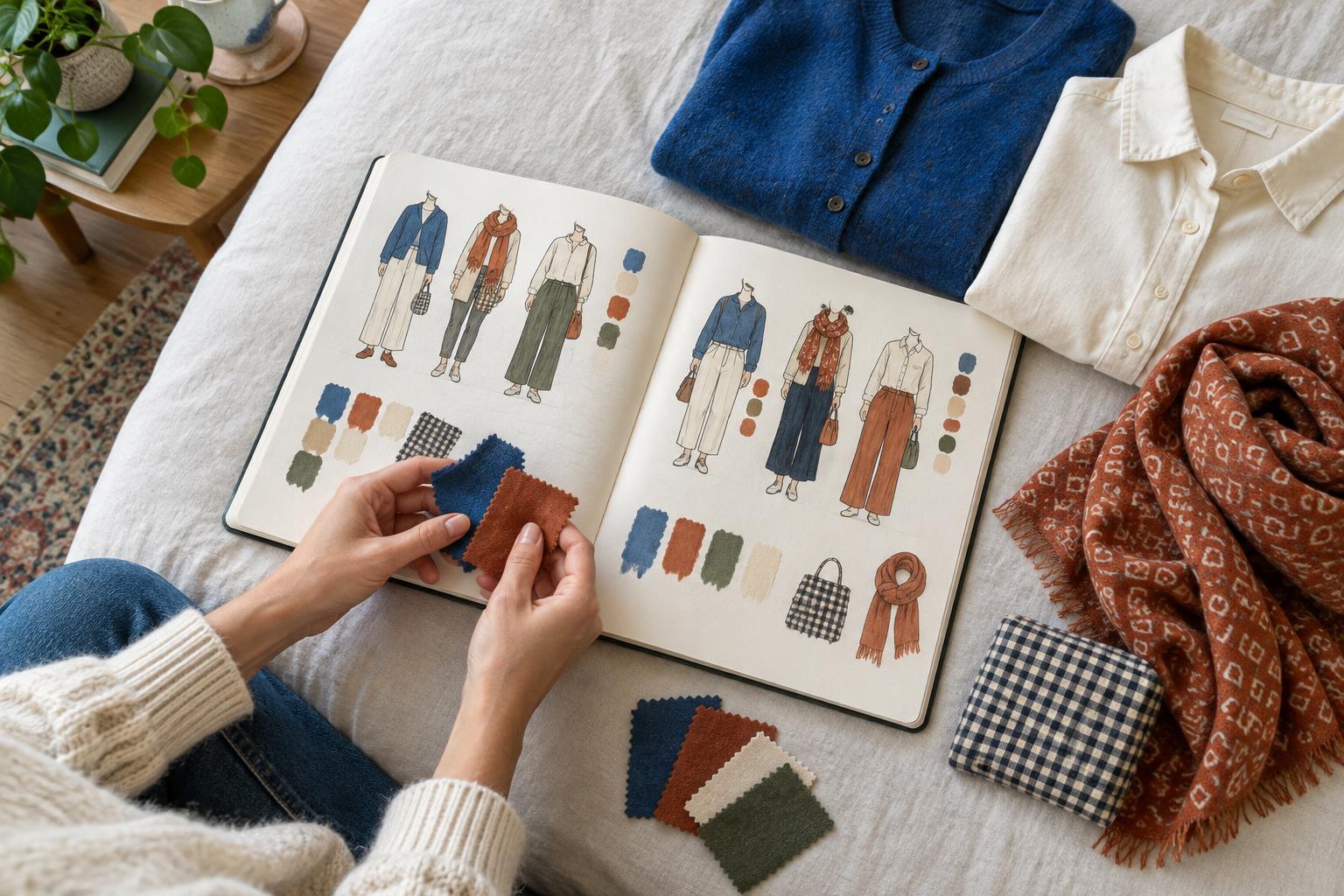
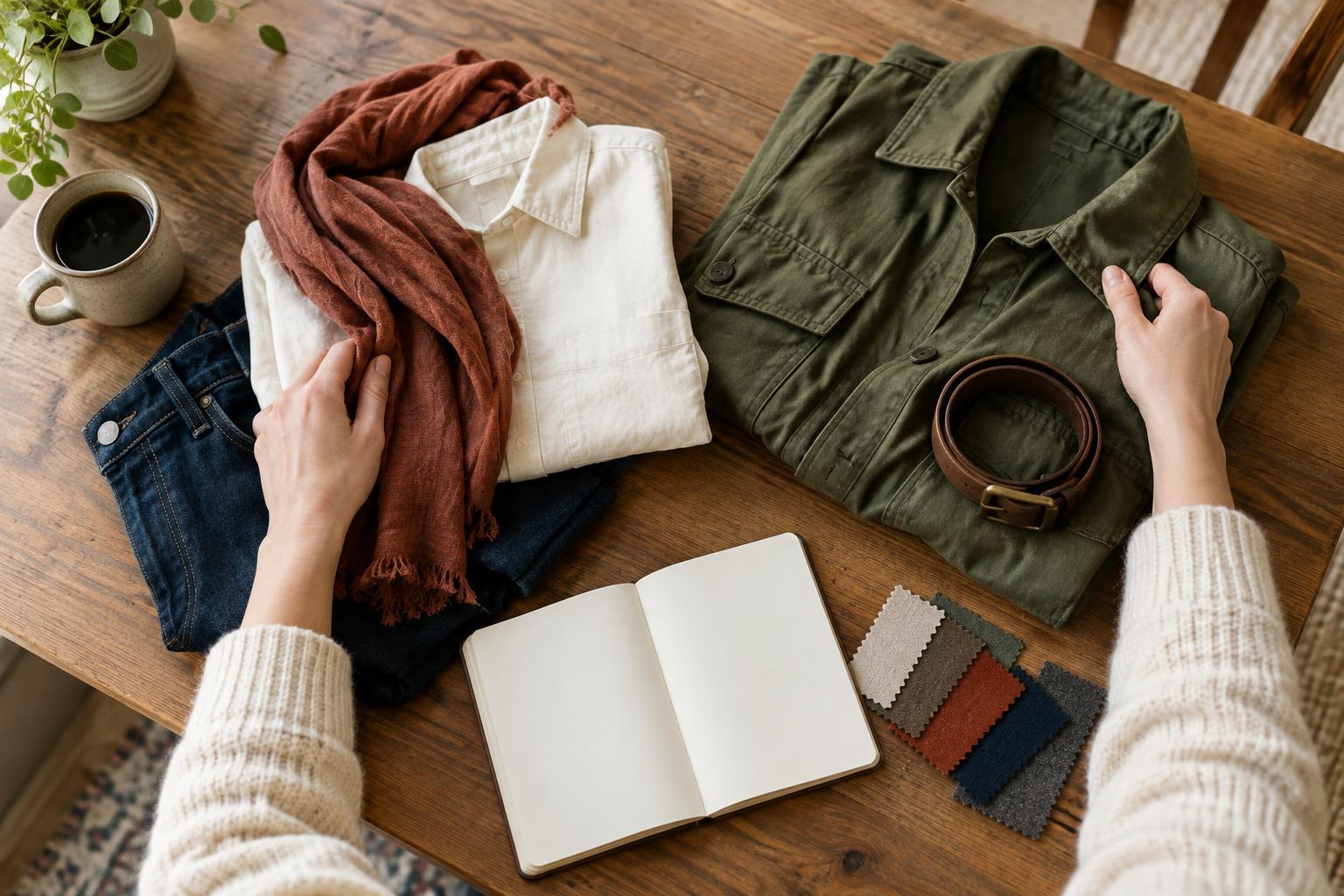
Choose five outfits you have actually enjoyed wearing, rather than five you think look impressive. They can be photographed or laid out on a bed. Write down what works in each one: the ease of movement, the colour contrast, a repeated shape, a striking detail or the feeling it gives you. Then identify any common thread. Be specific. “Relaxed trousers with one sharp accessory” gives you more to work with than a broad aesthetic name.
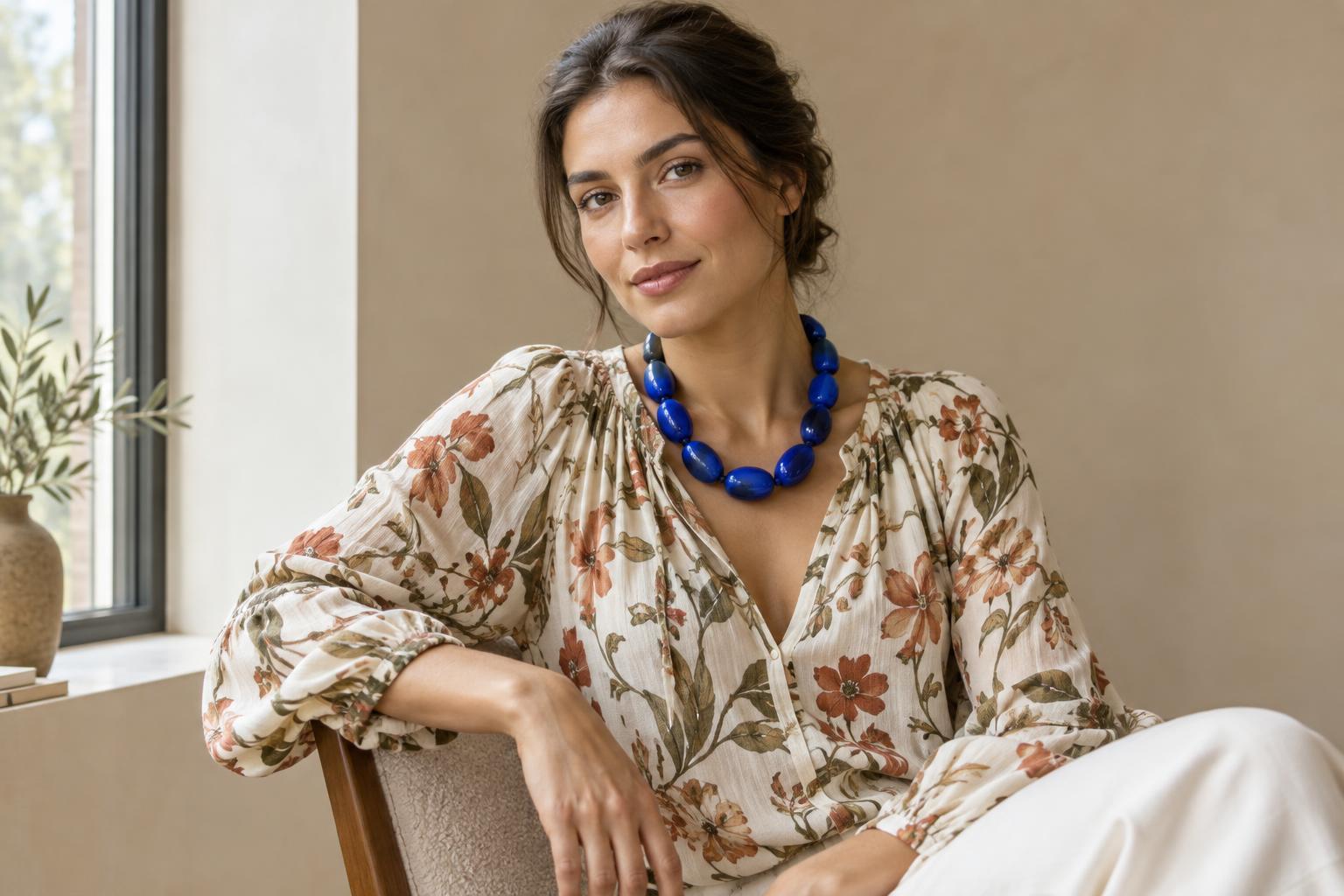
Next, pick one item you love that does not fit your usual label. Build an outfit around it using clothes you already have. You are not trying to prove that the item belongs in a category; you are testing whether you enjoy wearing it. If it feels right, keep that information. If it does not, ask why. The fit, the combination or the occasion may be the issue—not a failure to stay true to your style.
Use images as clues, not instructions
A collection of outfit images can reveal preferences that words miss. Save or set aside a small group of looks that hold your attention, then cover any captions or style names. Look for details you would want to bring into your own clothes: perhaps generous proportions, a repeated colour, layered jewellery or a contrast between polished and worn-in textures. Notice, too, which parts you admire only in the image and would not enjoy wearing yourself.
Try describing the collection without naming an aesthetic. You might write, “Mostly muted colours, comfortable shapes and one unexpected bright detail.” That sentence can guide an outfit while leaving room for change. Images are most useful when they help you identify your own preferences, not when they set a standard you must copy from head to toe.
Keep the words that leave room for you
You do not have to discard a label just because it is imperfect. You can make it more flexible by adding “often,” “lately” or “with exceptions”: “I often dress simply, with playful accessories.” You can also use a short list of qualities instead of a single name, such as comfortable, colourful and precise. These descriptions make space for different moods and settings without pretending your choices are random.
Revisit your wording when it stops helping. The useful question is not “Does this outfit match my identity?” but “Does this choice express something I want to express, and will I enjoy wearing it?” A good style label gives you language for what you already notice and value. It should open a conversation with your wardrobe, not end one.