Start with values, not a look
Clothing can express what matters to you, but a value is not the same thing as an aesthetic. “Creativity” might mean playful colour to one person and clever use of a small wardrobe to another. “Care” might show up as a well-maintained favourite, a comfortable outfit that lets you focus on others, or attention to how an item was made. There is no single garment that proves you hold a particular value.
Begin by writing down three words you want your clothing choices to support. Choose words that describe how you want to live rather than how you want to be seen: ease, curiosity, resourcefulness, belonging or independence, for example. For each word, finish two sentences: “I feel this value when I wear…” and “This value is harder to practise when I wear…” Your answers will give you more useful clues than a list of styles you think you should like.
Turn each value into a decision you can make
A value becomes practical when it helps you choose between options. If ease matters, you might prioritise clothes you can move in, fasten quickly or wear in more than one setting. If self-expression matters, you might reserve a place in each outfit for an unexpected colour, shape or accessory. If resourcefulness matters, you might try repairing, altering or restyling an item before replacing it. These are possibilities, not rules; the useful translation is the one that works in your life.
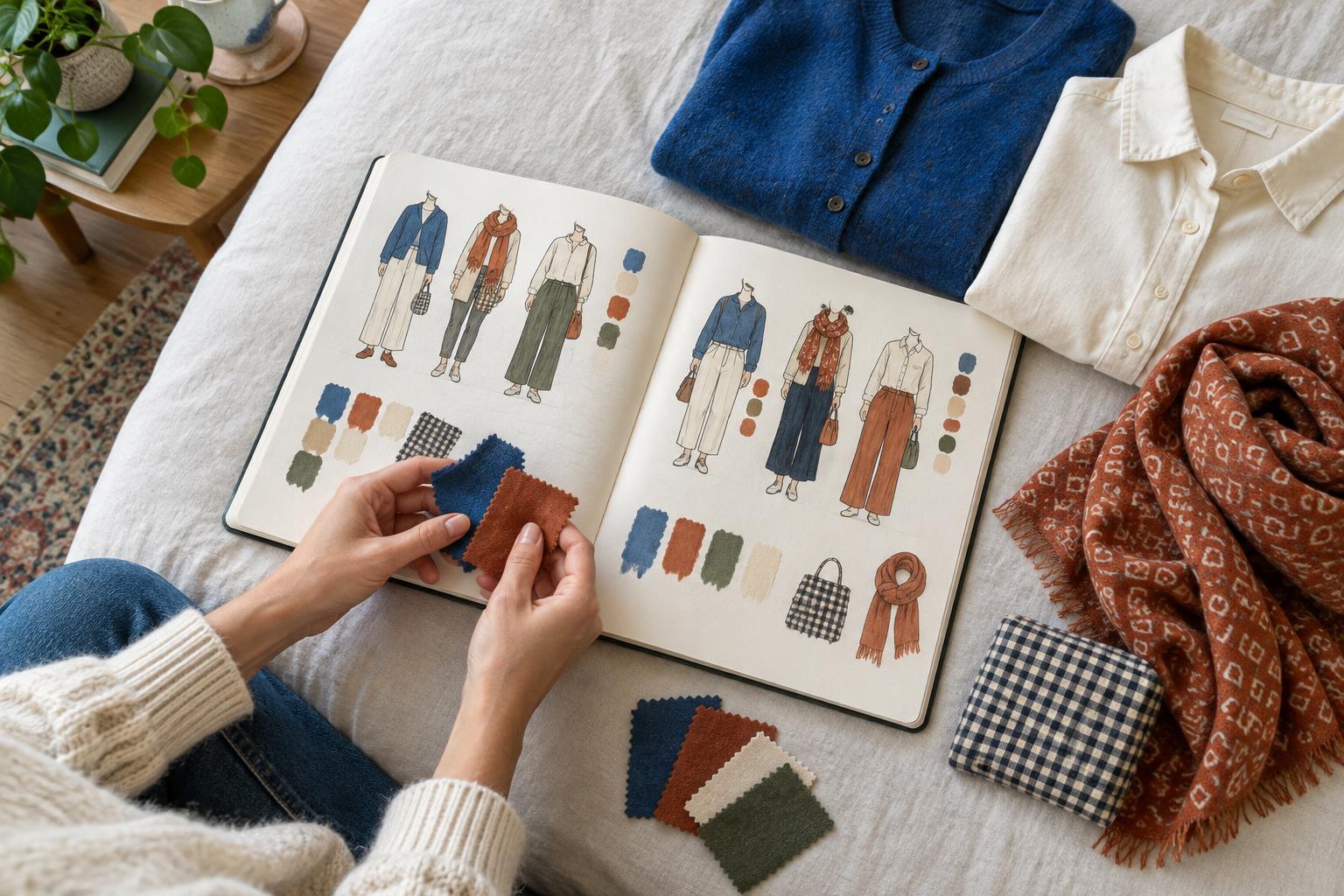
Try making a small “value-to-choice” list. Write one value at the top of a page, then add three ways it could influence what you keep, what you wear and what you consider buying. Keep the actions specific. “Wear the patterned scarf twice this week” is easier to test than “be more expressive.” If an action feels like a chore or a costume, revise it. Your wardrobe should help you practise a value, not make you perform it.
Look for evidence in what you already wear
Before changing your wardrobe, notice the choices you repeat. Pick five outfits you have genuinely enjoyed wearing, including ordinary-day outfits rather than only special-occasion looks. What made each one work? You might notice soft layers that create a sense of calm, a bold earring that invites conversation, or familiar clothes that connect you with a place or person. These details can reveal an expression of your values that is already taking shape.
Then look at pieces you rarely choose without judging yourself for owning them. Ask whether they conflict with a practical need, such as movement or temperature, or with the feeling you want your clothes to support. Sometimes the answer is neither: an item may simply need a different pairing or occasion. This exercise is about understanding your choices, not clearing out everything that fails a test. An unworn garment can be a clue without becoming a mistake.
Make room for context and contradiction
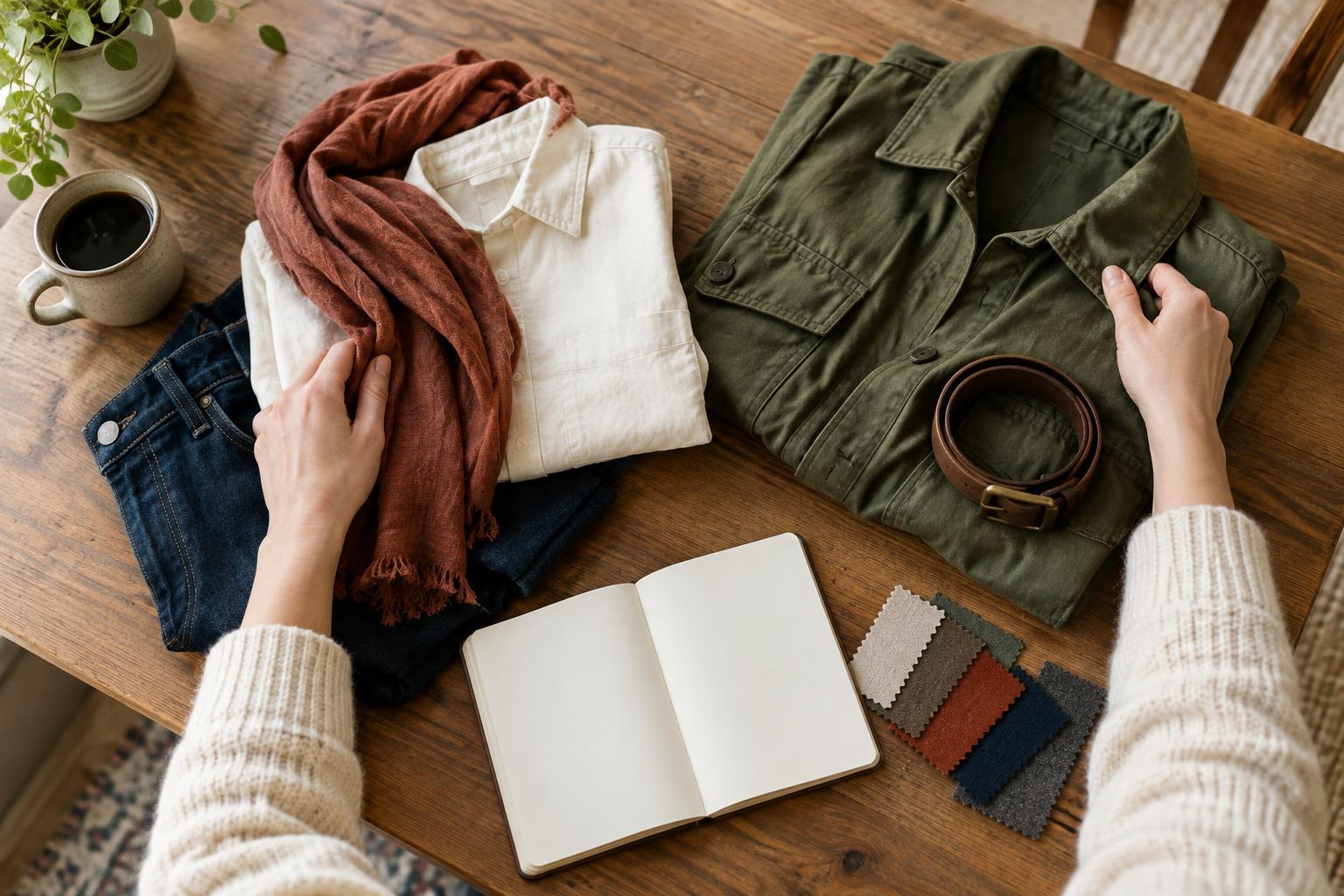
You do not have to express every part of yourself in every outfit. A work setting, a limited budget, changing needs or a day when you want to blend in can all shape what is possible. Values can pull in different directions, too. You may value visual experimentation and a simple morning routine. Rather than choosing one identity, create a repeatable base outfit and change one detail: a scarf, a colour combination or the way you layer two pieces.
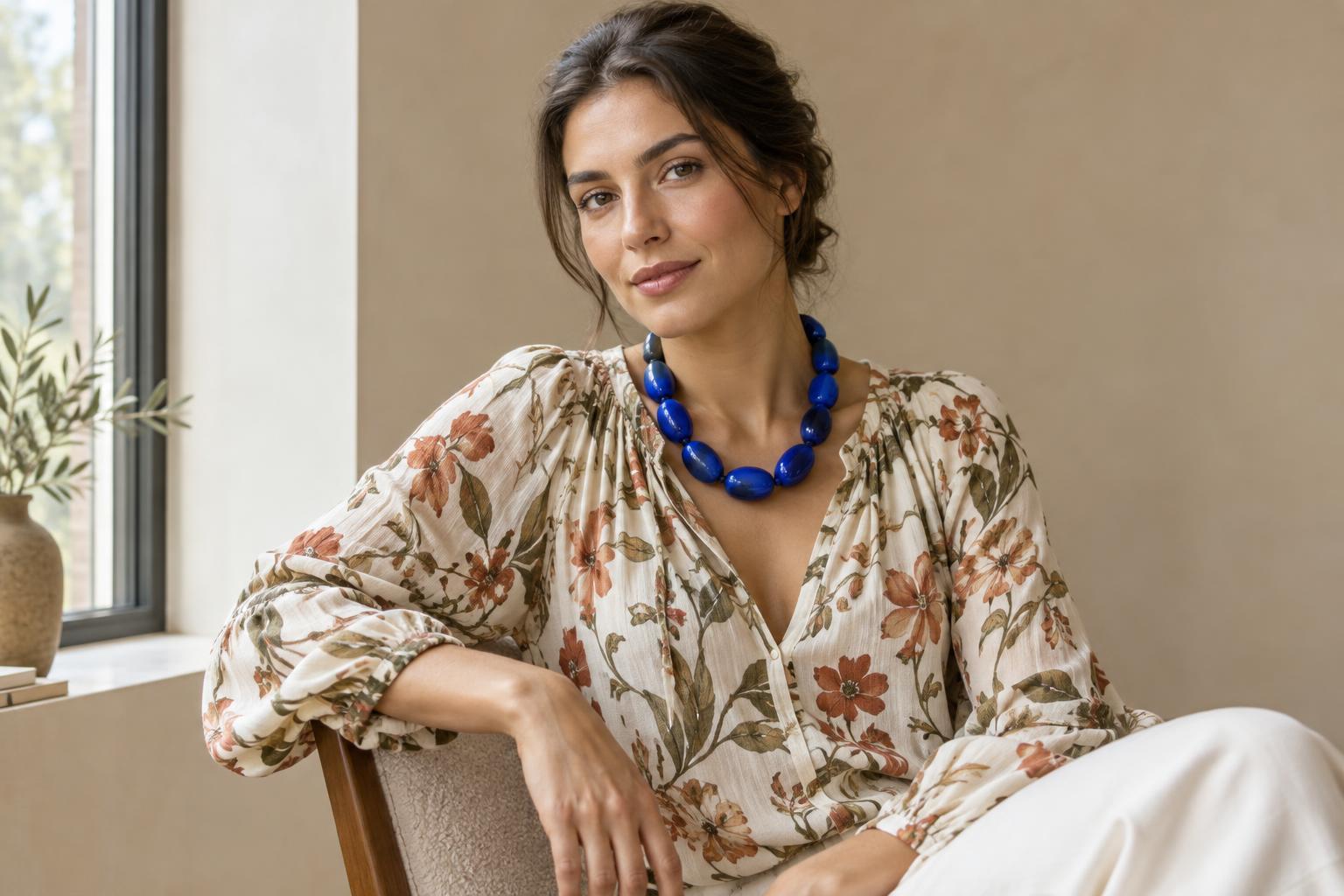
It can help to decide which choices matter most in a particular context. On a busy day, comfort may come first and a distinctive accessory may be enough. At a gathering, you may want to emphasise connection by wearing something with a personal story. Neither outfit is more authentic. Treat your values as a guide for making considered choices, not a demand to send a perfectly consistent message to everyone who sees you.
Use a small experiment instead of a wardrobe overhaul
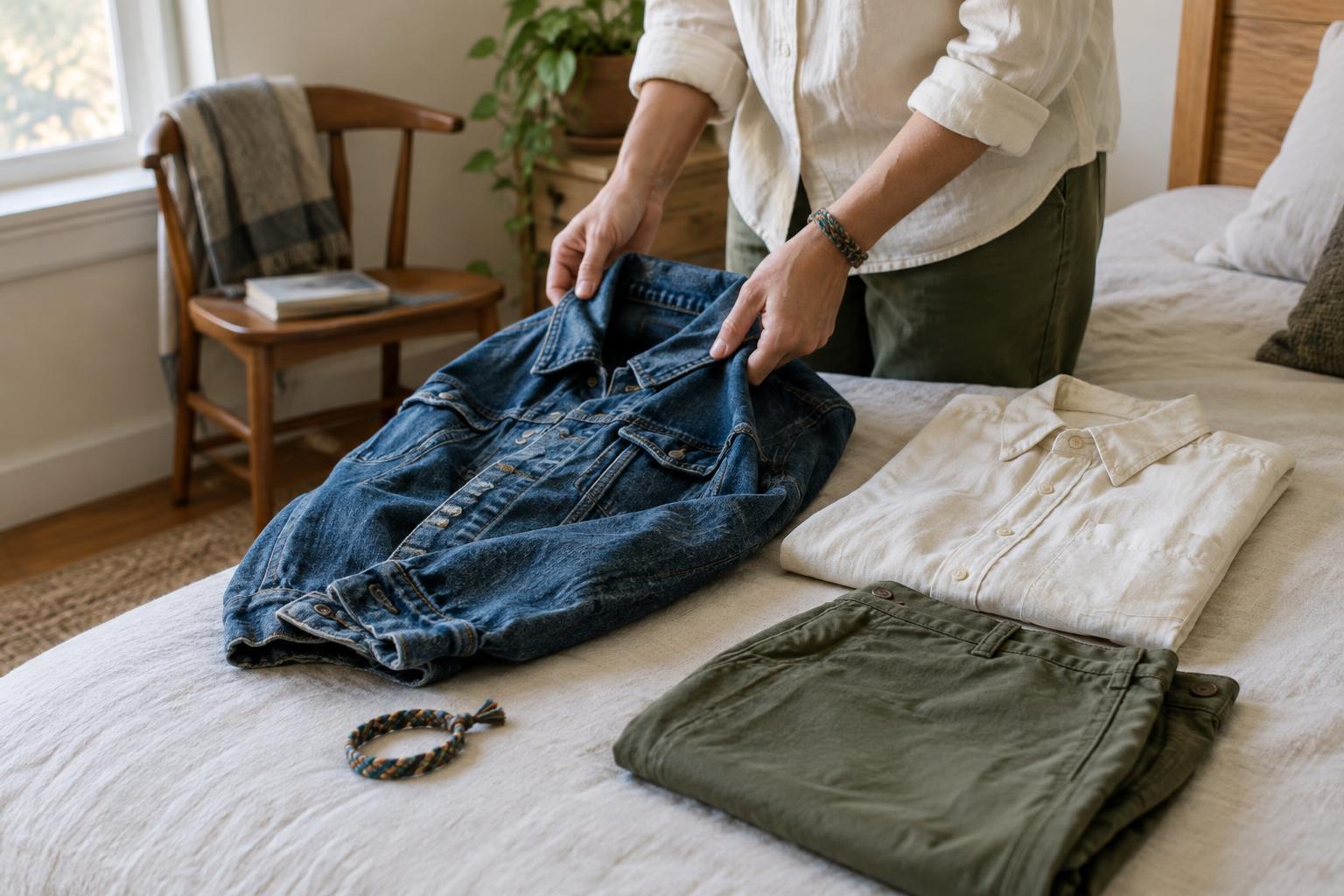
Choose one value and give yourself a week to explore it through clothes you already have. If the value is curiosity, try three unfamiliar combinations and note which one you would wear again. If it is care, spend time mending, cleaning or finding a better way to store a piece you love. If it is belonging, wear something that reminds you of a community or shared memory. You can photograph the outfits or jot down a sentence after wearing them; the record is for you.
At the end of the experiment, ask: Did this choice make my day easier, more enjoyable or more like my own? What would I repeat? What felt forced? Let those answers shape your next small decision. Translating values into clothing is an ongoing practice, not a finished visual identity. The aim is to build a wardrobe in which your choices make sense to you, even when no one else knows the story behind them.