Start with the story, not the camera
An outfit portrait and a flat lay can show the same clothes but tell different stories. A portrait places clothing on a person, so posture, movement and surroundings become part of the message. A flat lay arranges pieces on a surface, giving the viewer time to notice shapes, colours and small details. Neither format is more expressive by default. The useful question is: what should someone understand or feel after seeing this image?
If your idea is about presence—how a jacket changes your stance, or how a scarf moves when you walk—start with a portrait. If it is about selection—the careful pairing of a print, a bag and a pair of shoes—a flat lay may make that connection easier to see. Write your intended message in one sentence before you set up the shot. That sentence will help you decide what belongs in the frame and what distracts from it.
Choose a portrait when wearing is the point
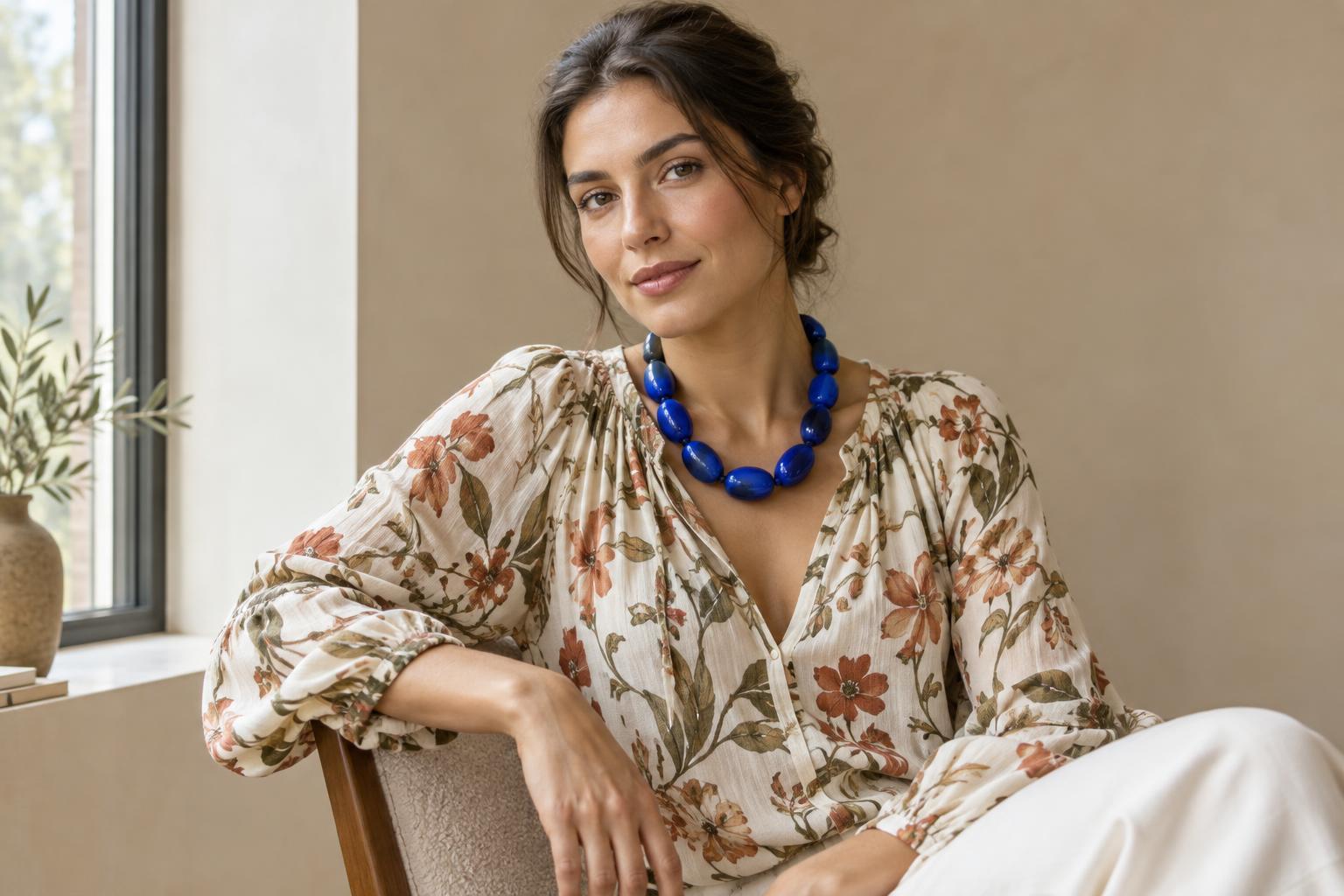
Portraits are especially useful for showing proportion and interaction. A long coat might look severe on a hanger but relaxed when worn open over soft layers. A belt changes the outline of a dress; a rolled sleeve changes its attitude. Body position can reinforce those choices. Standing still may emphasize a clean silhouette, while a small turn can reveal volume, drape or the back of a garment.
You do not need an elaborate pose or location. Choose a background that supports the mood without competing with the outfit. Leave enough space around the body to show the full shape, or move closer when the story is about an expression and a neckline. Check the image for accidental distractions, such as an object appearing to extend from your shoulder. If showing your face does not suit the story or your comfort level, a crop from the shoulders down can still show how the clothes are worn.
Choose a flat lay when relationships matter most
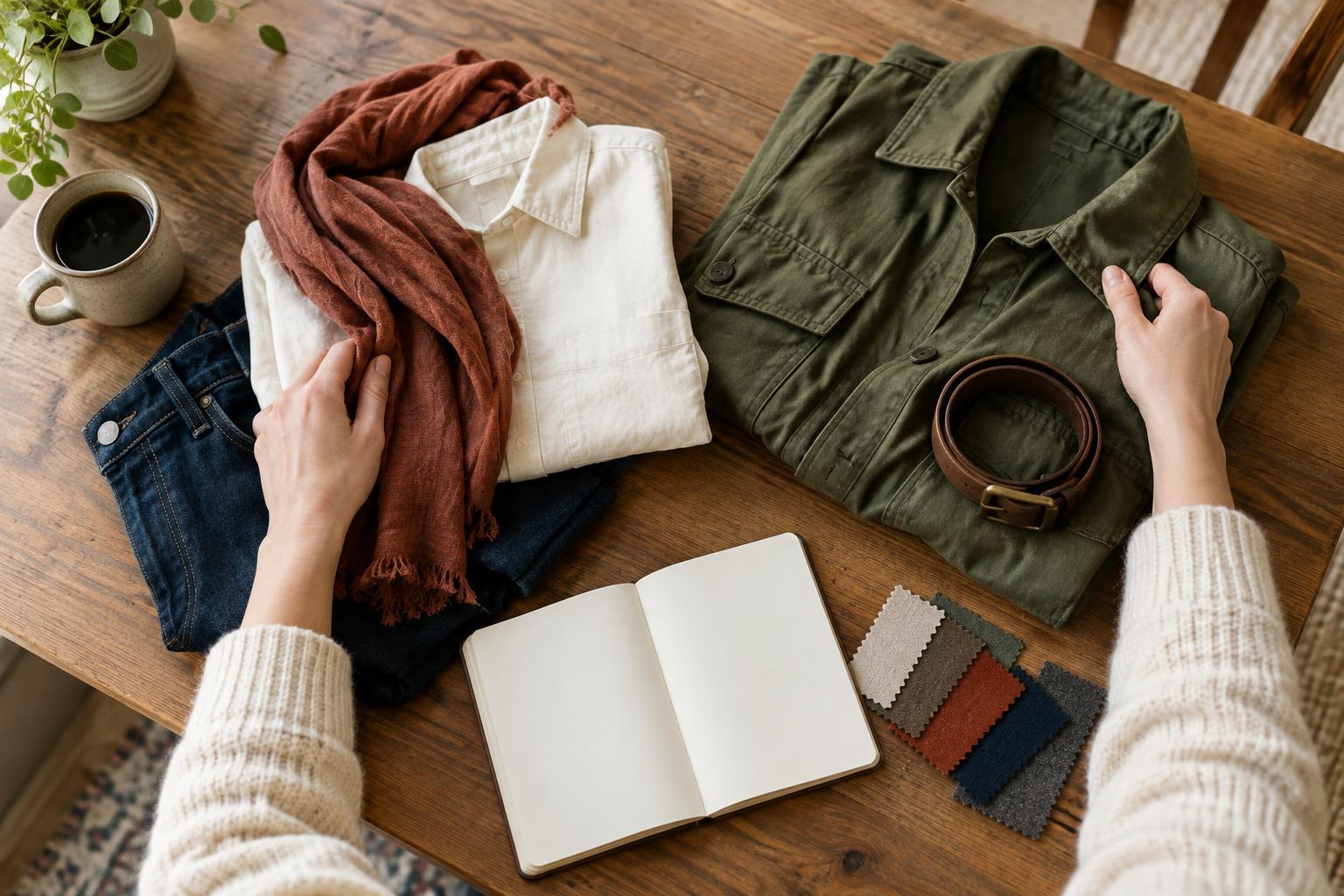
A flat lay can make an outfit feel like a collection of deliberate choices. It gives a small accessory the same opportunity to be noticed as a larger garment, which is helpful when a brooch, patterned sock or unusual fastening carries the idea. Without a person in the image, you can emphasize colour echoes, contrasts in texture or the sequence of pieces someone might put on.
Begin with the items that express your main idea, then remove anything that merely fills space. Lay garments so their recognizable features remain visible: open a collar, straighten a cuff or position a bag to show its shape. Give each piece some breathing room. A plain surface often helps, though a textured background can add warmth if it does not obscure the edges of the clothes. Photograph from above and look at the frame as a whole before adjusting details. The arrangement should feel intentional without pretending that clothes naturally landed in perfect positions.
Let composition support the message
Whichever format you choose, identify a focal point. In a portrait, that might be a striking sleeve, a colour near the face or the overall silhouette. In a flat lay, it might be the contrast between a patterned shirt and a simple belt. Place supporting elements where they guide attention back to that focal point. Repeated colours can connect separate items; a little empty space can keep a busy combination readable.
Light also shapes the story. Even, soft light tends to make colours and textures easier to distinguish, while stronger shadows can add drama but may hide details. Before taking a final image, make a quick test shot and view it at the size someone is likely to see it. If the detail that matters disappears, simplify the background, change the crop or move closer. Ask whether the setting adds meaning or simply makes the image harder to read.
Try both formats before deciding
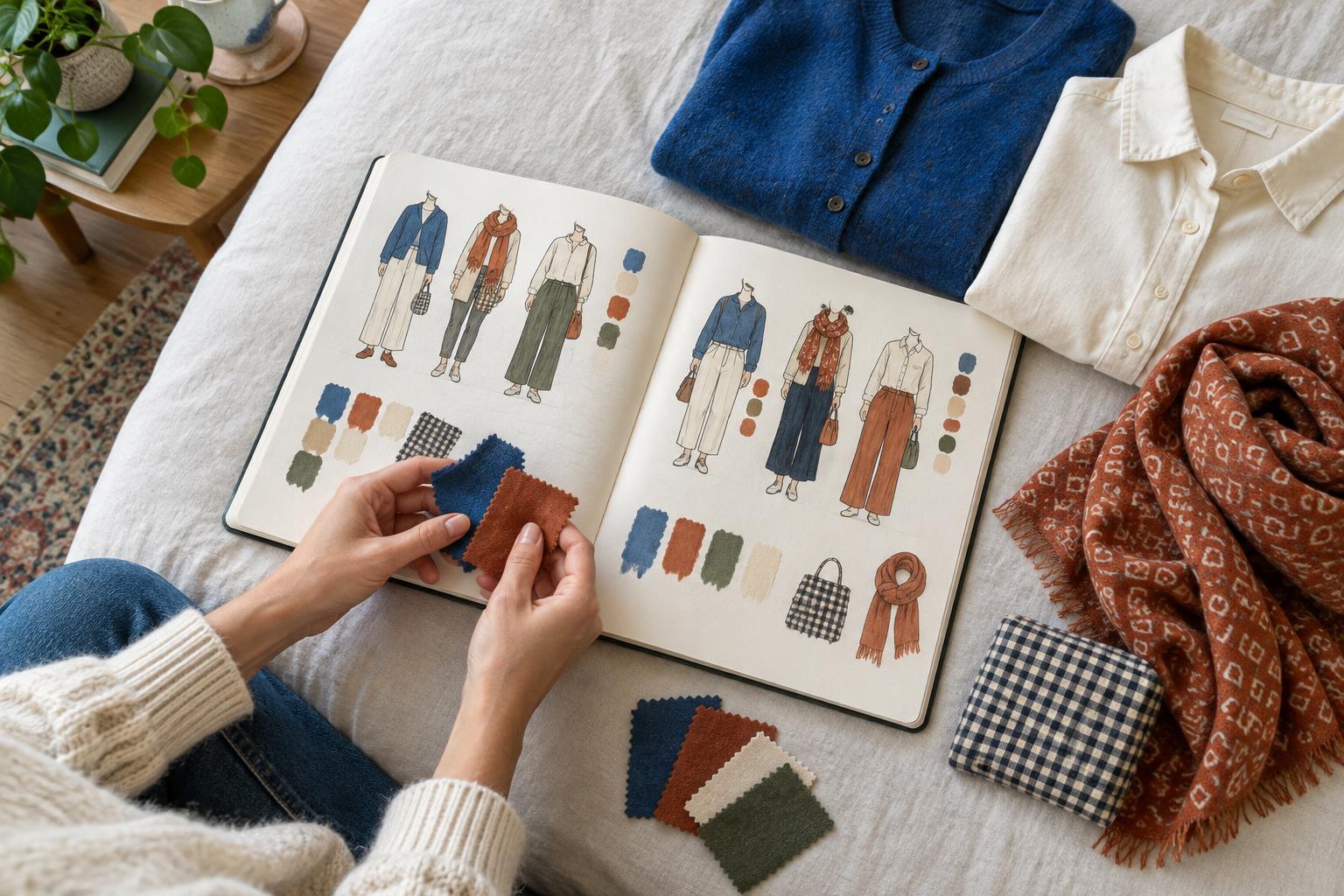
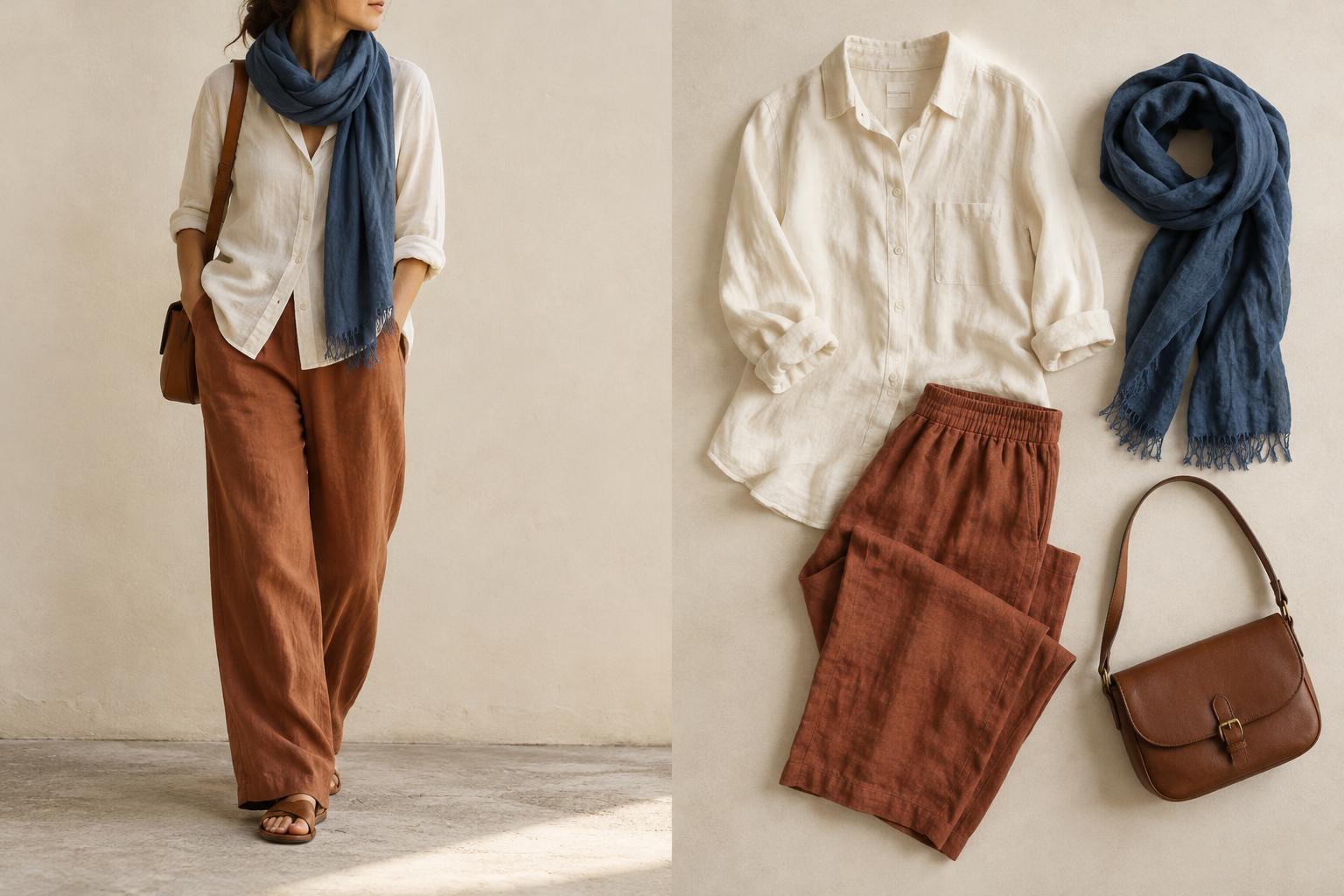
For a useful exercise, choose three pieces: one main garment, one supporting layer and one accessory that says something about you. Photograph them once as a flat lay and once as a worn outfit portrait. Keep your story sentence nearby. Compare the images without asking which is prettier. Which one makes the accessory meaningful? Which one communicates the mood or purpose you intended?
You may find that the formats work best together. A portrait can establish who is wearing the outfit and how it feels in motion; a flat lay can follow with a closer look at the choices behind it. If you can use only one image, choose the one that carries your intended message without needing a long explanation. The best format is not a rule to memorize. It is a way of giving your idea the clearest visual form.