Three ways to look at an outfit
Fit, silhouette and proportion describe different things. Fit is how a garment sits on your body and moves with you. Silhouette is the overall shape an outfit creates. Proportion is the relationship between its parts: the length of a top compared with a bottom, for example, or the scale of a jacket compared with the trousers beneath it. Looking at them separately makes it easier to understand why you like an outfit, or why something feels slightly off.
None of these terms describes a single correct way to dress. A loose shirt may fit exactly as you intend, while a close-fitting one may feel restrictive. An oversized shape can be expressive; a balanced-looking outfit is not automatically more interesting than an unexpected one. Think of these concepts as tools for making choices, not tests you have to pass.
Fit is about comfort, movement and intention
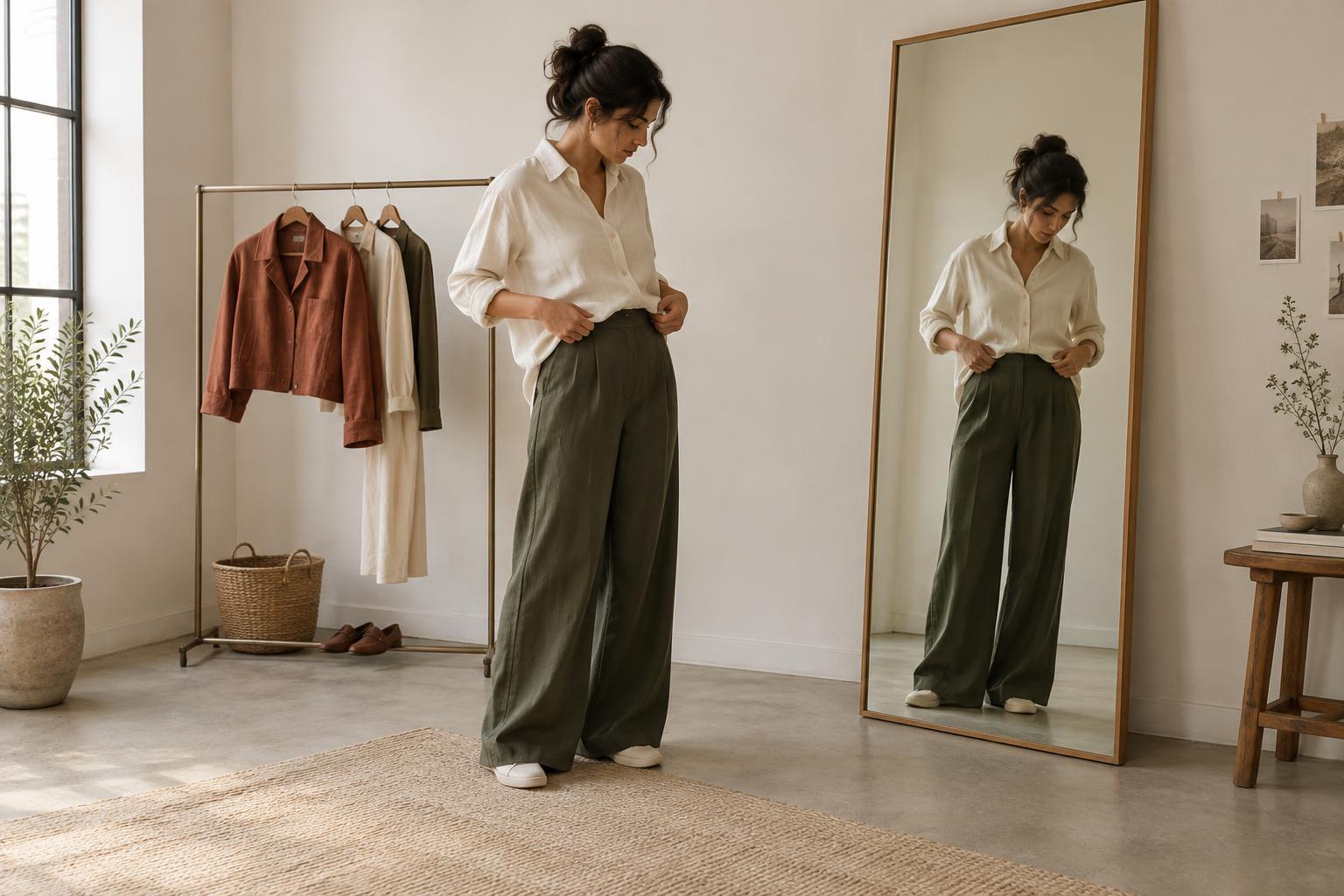
Start with what happens when you wear a garment, not just how it looks while you stand still. Can you sit, reach and walk the way you want to? Does a waistband stay where you prefer it? Do the shoulders of a jacket create the shape you had in mind? Fit includes practical comfort as well as appearance, and the answer may change depending on where you plan to wear an item.
It helps to distinguish deliberate ease from an unintended fit issue. A wide sleeve might add welcome volume, while a sleeve that repeatedly catches on things may be inconvenient. A long shirt can look relaxed, but if its hem bunches awkwardly under a jacket, you might try leaving it untucked or pairing it with a different layer. Before deciding an item does not work, change one variable: adjust how it is worn, try another size if available, or compare it with a different piece.
Silhouette is the shape you see first
Imagine viewing an outfit from across a room. Before you notice the fabric or small details, you are likely to see its outline. A straight coat over straight trousers creates a different silhouette from a cropped jacket over a full skirt. Layers, fabric structure and the amount of space between clothing and body all influence that outline.
To explore silhouette, choose one garment you enjoy and style it in two contrasting ways. Try a roomy shirt worn loose over wide trousers, then wear the same shirt partly tucked into a narrower bottom. Notice whether the overall effect feels fluid, sharp, compact or expansive. These words are more useful than a blanket judgment of good or bad: they help you connect the shape of an outfit to the impression you want to make.
Proportion changes the visual rhythm
Proportion concerns where an outfit appears to divide and how much visual space each piece takes up. A top ending near the waist draws attention to a different point than one ending at mid-thigh. A short jacket over a long dress creates a different rhythm from a coat that reaches nearly to the dress hem. Colour contrast can make these divisions more noticeable; similar colours can make them less distinct.
You can experiment without buying anything new. Wear the same top tucked, untucked and with a small front tuck. Roll a sleeve, change where a belt sits, or compare an open jacket with a closed one. Look at the whole outfit each time rather than treating one part as a problem to fix. You may prefer a clear break between pieces on one day and a continuous line on another. Proportion is a way to direct attention, not a set of rules about making a body appear different.
Build a style vocabulary from what you notice
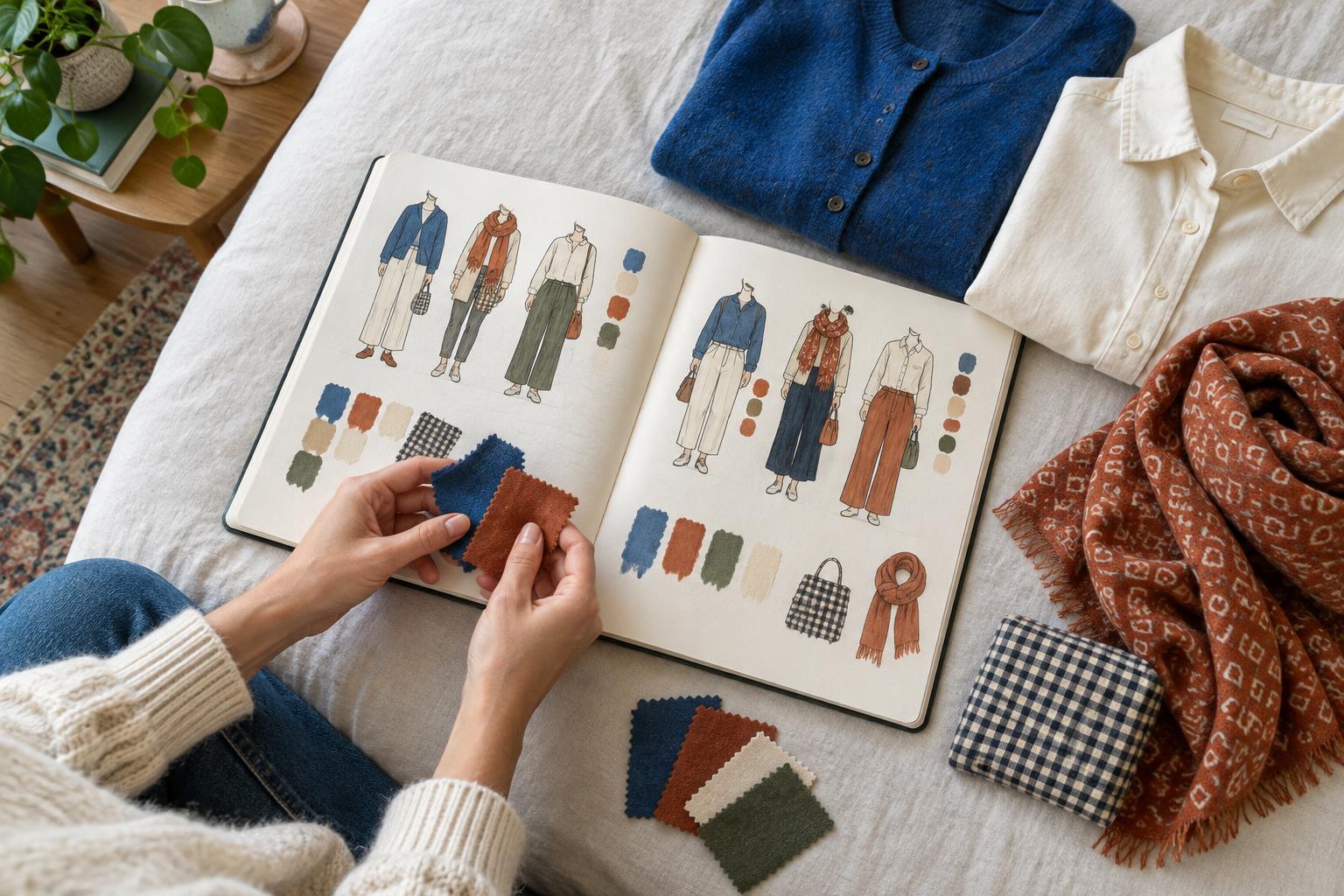
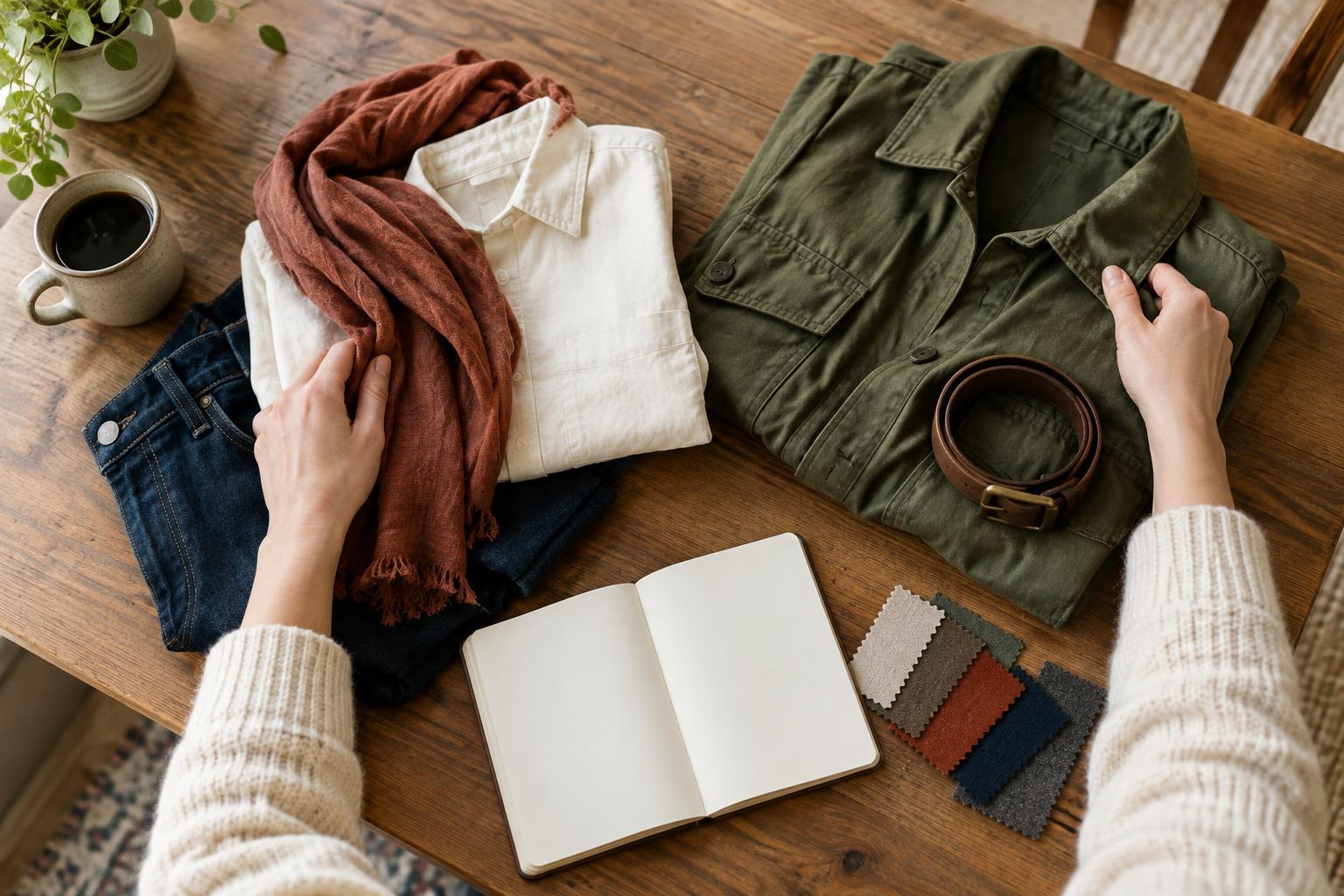
For a practical exercise, assemble three outfits from clothes you already own. In each, choose one element to keep constant, such as a pair of trousers, and change the top or outer layer. Check how each version feels in motion and how it looks from a few steps away. Then write down a few specific observations: “I like the space around my shoulders,” “This hem interrupts the shape I wanted,” or “The long layer makes the outfit feel calm.”
Keep the combinations that express something you enjoy, even if they do not follow familiar styling advice. If a look almost works, identify whether the question is fit, silhouette or proportion before changing it. That small distinction gives you a useful next step: choose a more comfortable garment, alter the overall shape, or shift where the outfit divides. Over time, these observations can become a personal style vocabulary grounded in your own preferences.