What makes a style recognisable?
Think of someone whose style you can picture without remembering a particular outfit. You might recall their bright socks, the shape of their glasses, or the way they pair a loose shirt with tailored trousers. Recognition often comes from repetition. When a choice appears across different outfits, it starts to feel intentional.
There are two useful ways to create that continuity. A signature detail is one element that travels between otherwise varied looks. A uniform is a repeatable outfit structure: a set of shapes or combinations you return to. Neither approach requires buying a new wardrobe, and neither has to become a rule. The point is to make getting dressed easier while leaving room for the parts of your identity you want to show.
A signature detail gives varied outfits a common thread
A signature detail can be a colour, accessory, texture, silhouette, or styling habit. Perhaps you wear a patterned scarf in several ways, choose rounded shapes for your bags and jewellery, or add one vivid colour to otherwise quiet outfits. The detail does not need to be loud. It needs to be something you enjoy noticing and repeating.
This approach suits people who like changing their clothes to match a mood or occasion. A familiar element can connect a relaxed weekend outfit to a more polished one without making them look alike. It can also be an easy place to experiment: a belt, hair accessory, pair of socks, or way of rolling sleeves may be simpler to test than an entirely new look.
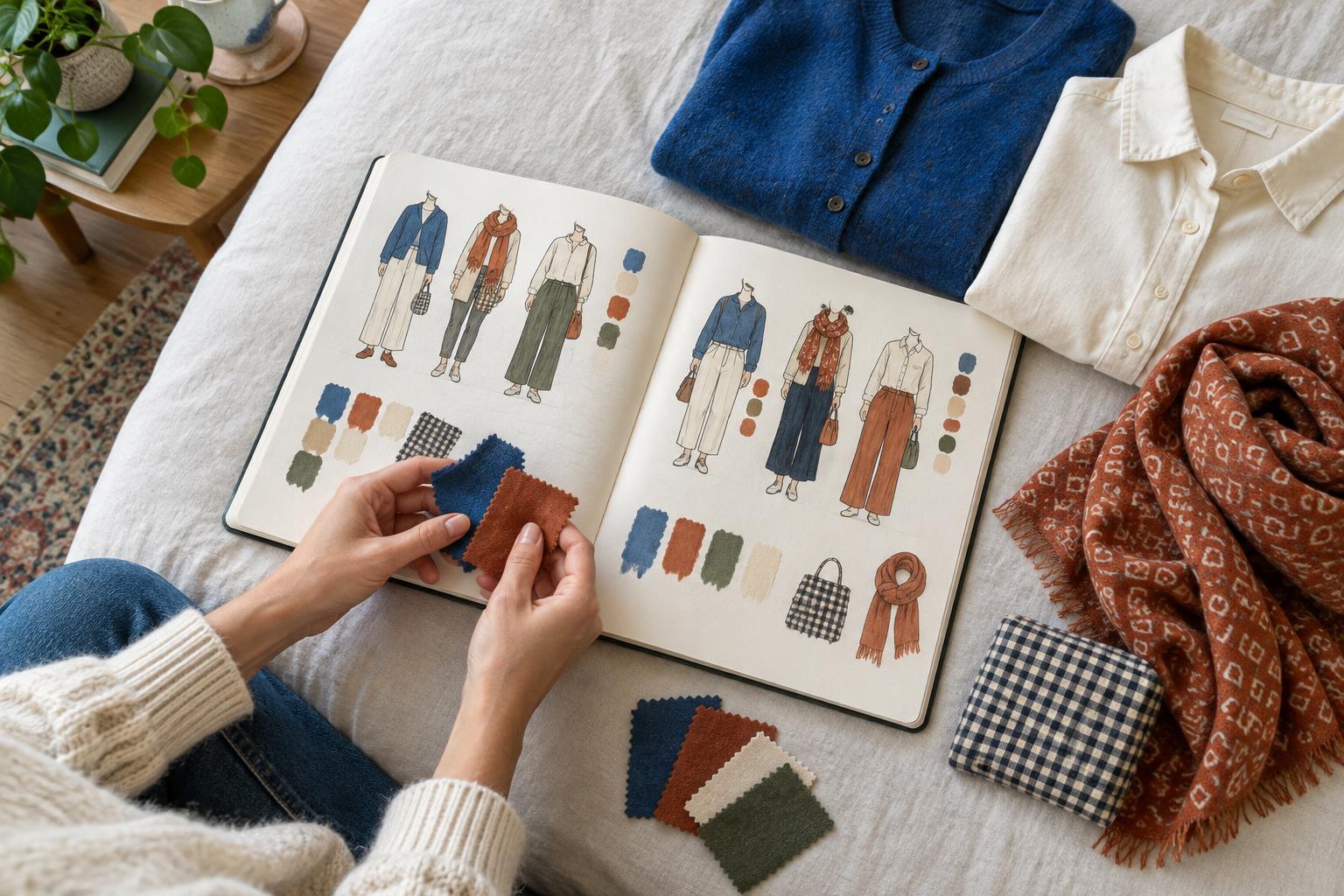
To find a candidate, lay out a few outfits you already enjoy and look for recurring choices. If nothing repeats, pick one element you would be happy to see in several settings. Try it across three different outfits using what you own. Ask whether it feels natural in each, not whether it is noticeable to everyone else.
A uniform makes decisions simpler
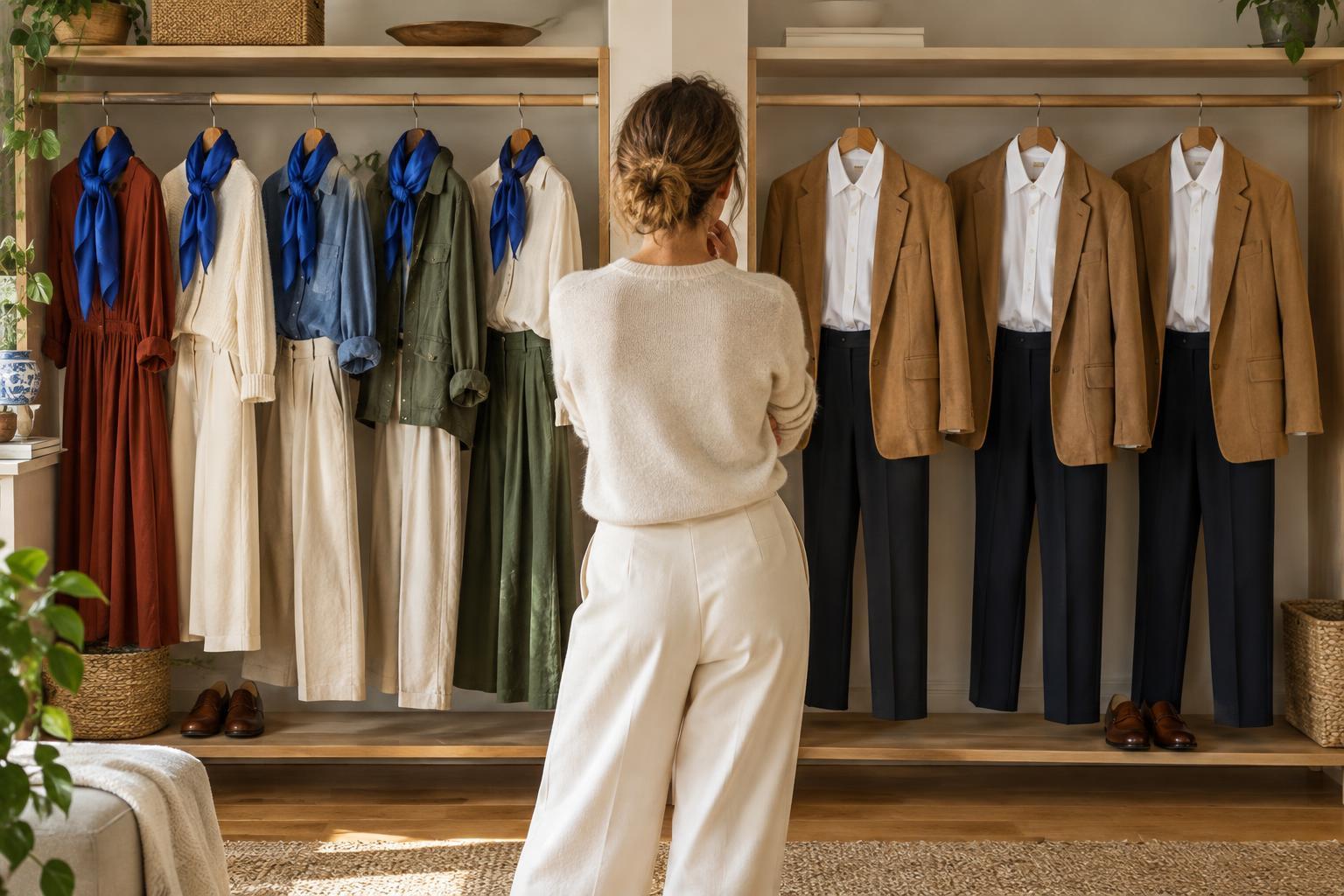
A personal uniform is a formula, not necessarily a collection of matching clothes. It might be straight-leg trousers, a soft top, and a structured outer layer. It might be a dress, flat shoes, and one substantial piece of jewellery. You can change the colours, fabrics, and individual pieces while keeping the overall arrangement familiar.
The strength of a uniform is its reliability. Once you know which proportions feel comfortable and suit your daily activities, you spend less time rebuilding an outfit from scratch. Repetition can also give your appearance a clear rhythm. The aim is not to wear the same thing every day; it is to have a starting point you trust.
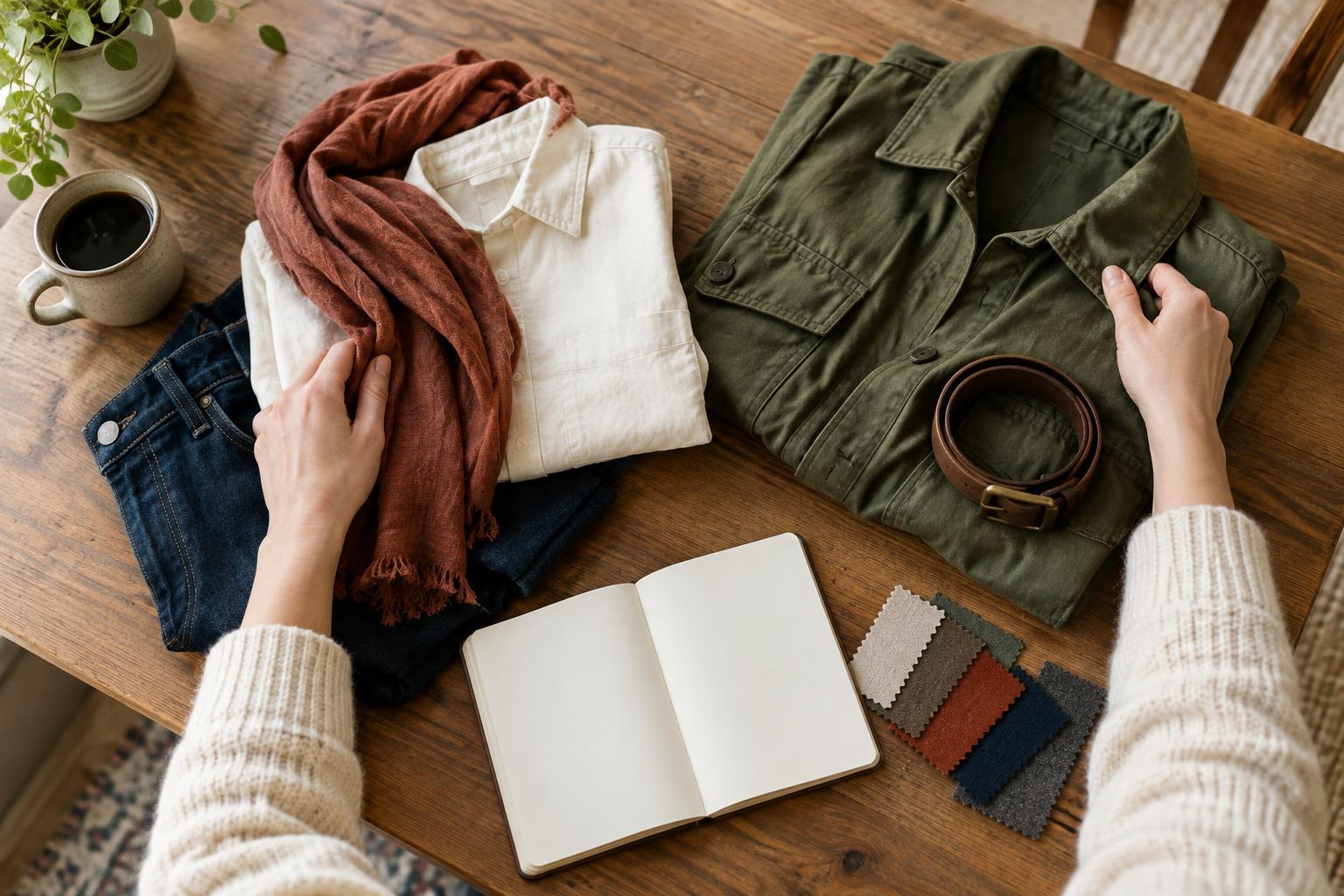
To build one, write down two outfits you reach for often. Describe their shapes and roles rather than their exact garments: for example, “loose top, narrow bottom, practical shoes.” Then make a second version of each formula from items you own. Notice where the formula helps and where it becomes restrictive. A useful uniform should accommodate your real schedule, weather, comfort needs, and dress expectations.
Choose by the kind of freedom you want
If you enjoy variety and want a thread that holds different looks together, start with a signature detail. If you want fewer decisions in the morning, start with a uniform. You can also combine them: keep a dependable outfit formula and vary one recurring accent, such as a preferred colour family or a particular kind of earring.
Be careful not to confuse recognisability with obligation. A signature colour can lose its appeal if you feel you must wear it everywhere. A uniform can become limiting if it no longer fits your work, routines, or tastes. Both methods are tools for expression, not tests of consistency. You are allowed to make exceptions, keep multiple formulas, or retire a detail you once loved.
Run a small style experiment
For one week of getting dressed, choose either one detail to repeat or one outfit formula to revisit. Change the rest as you normally would. If helpful, take private photos of the outfits so you can compare them later; focus on how they worked, not on judging your appearance.
At the end, ask three questions: Did this choice make dressing easier? Did it feel like something I chose for myself? Could I adapt it for different parts of my life? Keep what worked, adjust what did not, and repeat the experiment if you are curious. Recognisable style is rarely a finished statement. It is a set of choices you can return to while still making room to change.