A story is more than a collection of interesting pieces
An outfit tells a story when its parts give someone a sense of character, mood or context. A loose linen shirt, worn-in trousers and a canvas bag might suggest ease and movement. The same shirt with sharply pressed trousers and polished shoes may feel more deliberate. Neither look has a fixed meaning; the story comes from how the pieces relate to one another and how the wearer inhabits them.
You do not need a dramatic theme or a wardrobe full of statement clothes. An outfit can quietly express curiosity, restraint, playfulness or care. Think of storytelling as giving a look a point of view rather than making every item compete for attention. Start by asking, “What feeling do I want to carry today?” That question leaves room for your actual plans, comfort and preferences.
Use visual cues to establish a mood
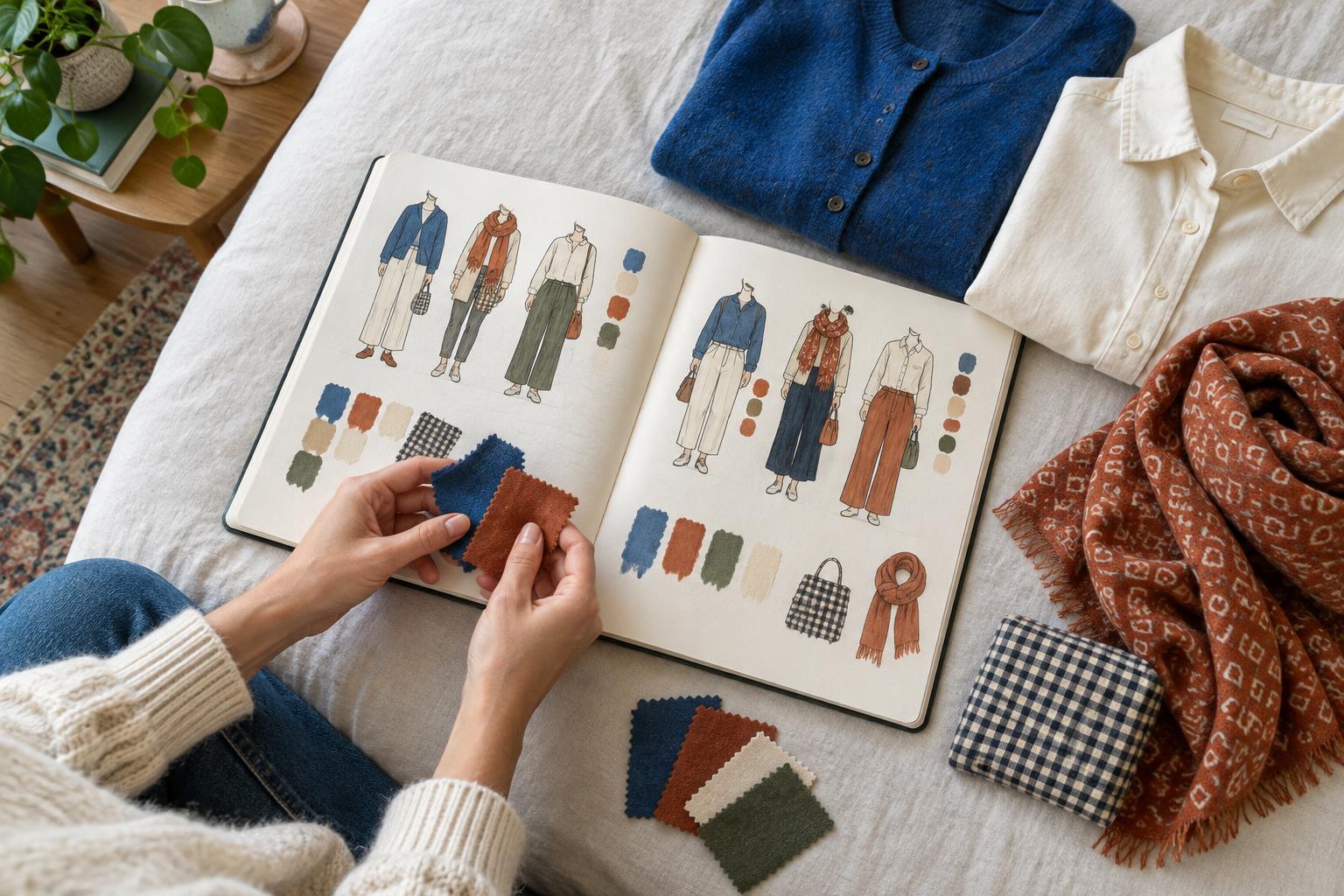
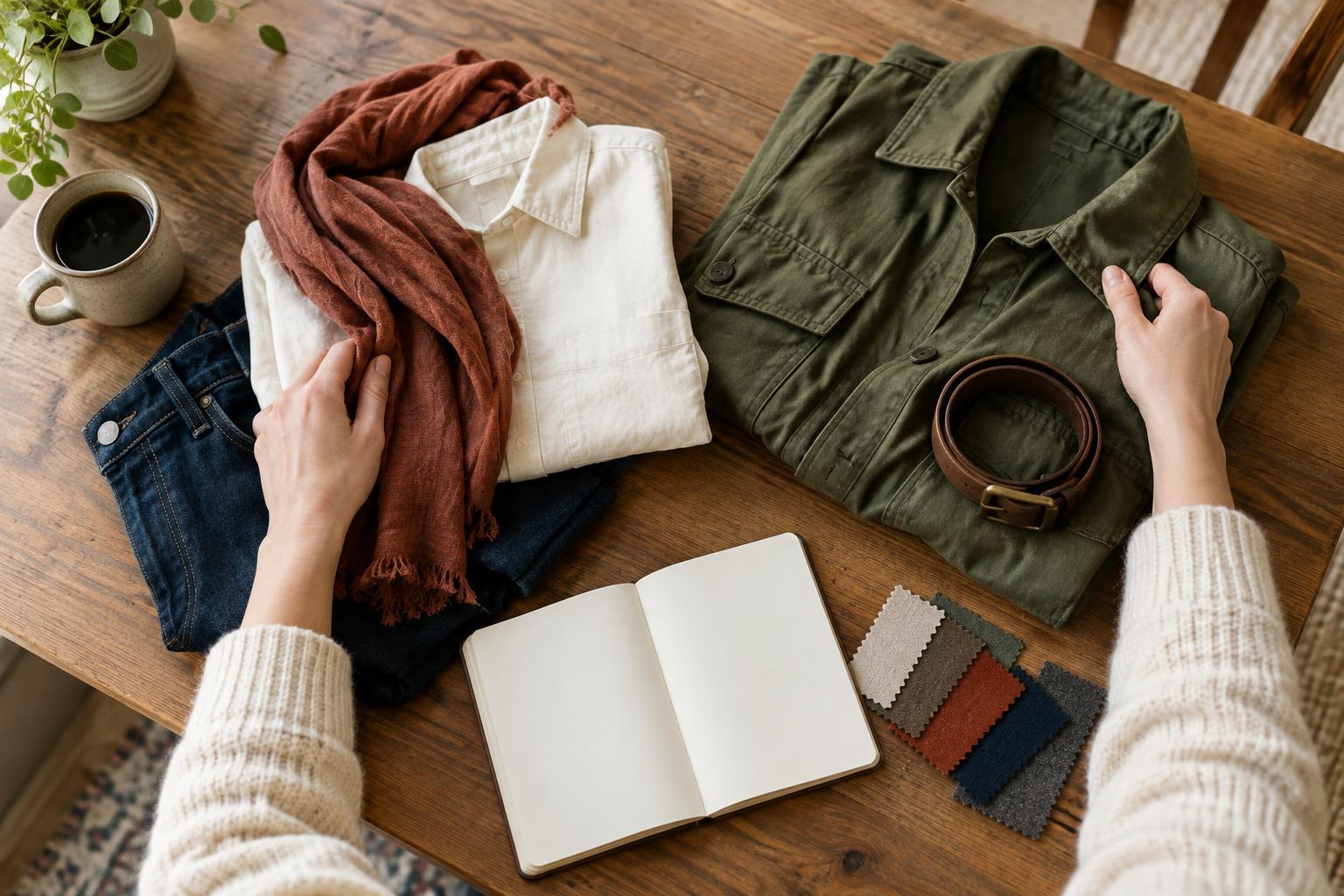
Colour is often the first cue you notice, but it does not work alone. A limited palette can make varied pieces feel connected, while one contrasting colour can draw attention to a particular detail. Try placing your clothes side by side before dressing. A muted outfit with one bright sock or scarf creates a different rhythm from a look that repeats that bright colour in several places. Neither approach is better; choose the one that supports the mood you want.
Shape and texture add another layer. Crisp edges and smooth fabrics can give an outfit a composed feel; softer shapes and tactile layers may suggest warmth or ease. These are possibilities, not rules. A structured jacket over a rumpled shirt can be more expressive than either piece on its own because the contrast creates tension. If a look feels flat, experiment with one change in proportion, texture or colour before adding more items.
Let a meaningful detail provide the plot
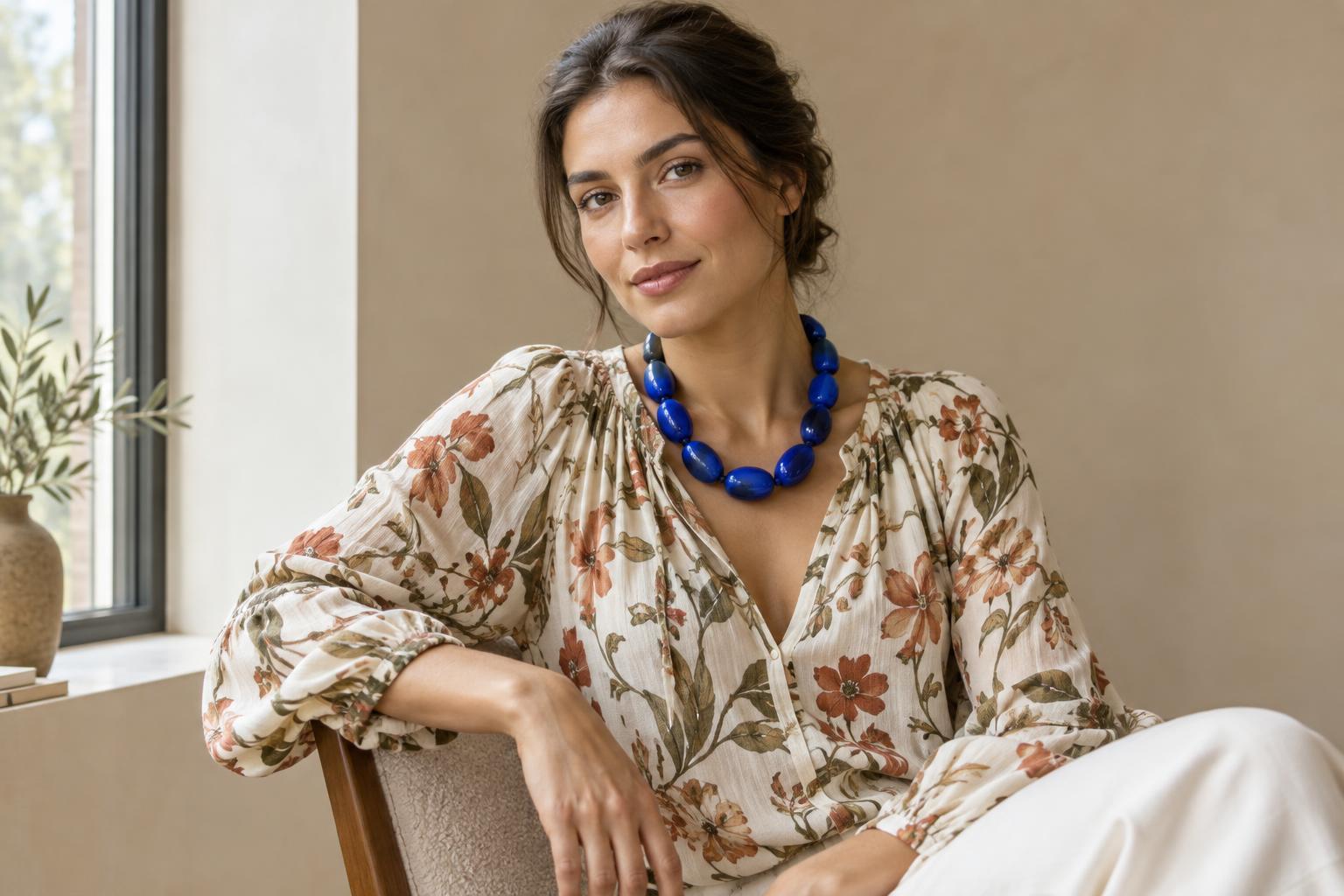
A story often becomes personal through a detail that matters to the wearer: a repaired cuff, a scarf tied in a familiar way or a brooch chosen for its shape. Other people may not know the detail’s history, and they do not need to. Its presence can help you feel connected to the outfit. Visual storytelling is not a test of whether strangers correctly decode your intentions.
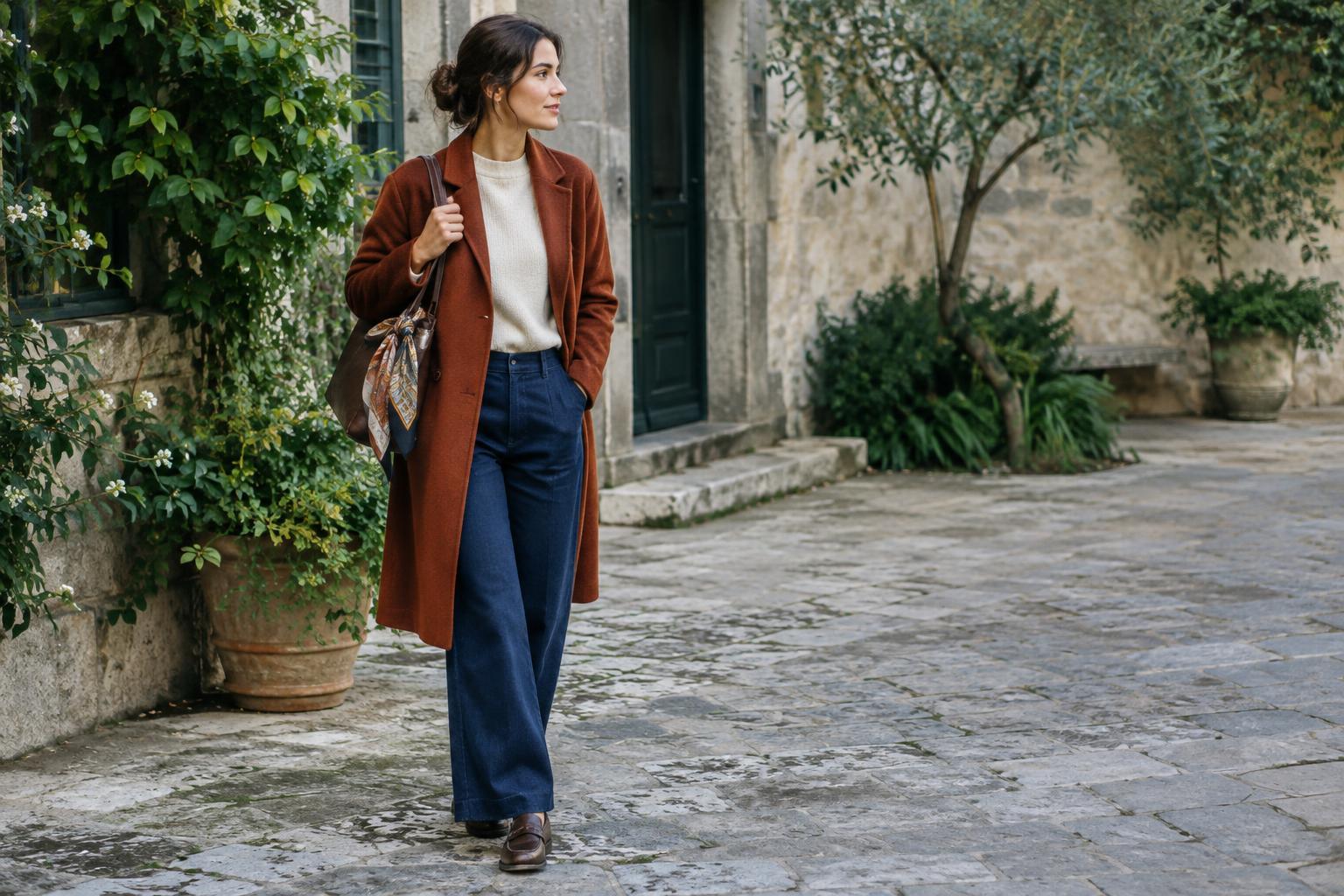
To give a detail room to speak, consider where you place it and what surrounds it. A large patterned bag beside an equally busy coat may blend into the overall energy. Against simpler shapes, the same bag becomes a focal point. You can also repeat a small idea—a curved buckle echoed by rounded earrings, for example—so the look feels connected without matching every piece. Repetition gives the eye a path to follow.
Build a look from one clear starting point
Try a short exercise using clothes you already own. Write down a scene, memory or phrase that appeals to you, such as “a slow walk through the city” or “bright ideas on a grey day.” Pick one garment or accessory that captures part of it. Then add two or three pieces that support the idea through colour, shape or texture. Dress for an ordinary day rather than an imaginary photo shoot: shoes you can wear and layers that suit your plans belong in the story too.
Once dressed, look at the whole outfit in a mirror or a photo. Where does your eye go first? Does that focal point reflect your starting idea? If not, remove or change one item and look again. You may find that an open collar communicates ease better than another accessory, or that changing your bag makes the look feel more grounded. The goal is not to produce a perfect image. It is to notice how choices affect the impression you make.
Leave space for the wearer
Clothing cannot tell a complete story by itself. Posture, movement, setting and the way you use an item all shape what others see. A jacket carried over an arm feels different from the same jacket buttoned up. That flexibility is useful: your outfit can offer a starting point without requiring you to perform a character all day.
If you enjoy documenting your looks, take a few photos across different days and look for recurring choices. Perhaps you favour a strong silhouette, an unexpected colour or one sentimental accessory. Those patterns may reveal more about your visual voice than a single carefully planned outfit. Keep what feels natural, adjust what feels forced and allow the story to change as you do.