A statement piece gives the eye somewhere to land
An accessory becomes a statement piece when it changes how an outfit is read. It might be a broad cuff against a simple sleeve, a bright scarf beside a neutral coat or an unusually shaped pin on a familiar jacket. The defining feature is not price, rarity or size. It is the attention the piece attracts and the idea it helps communicate.
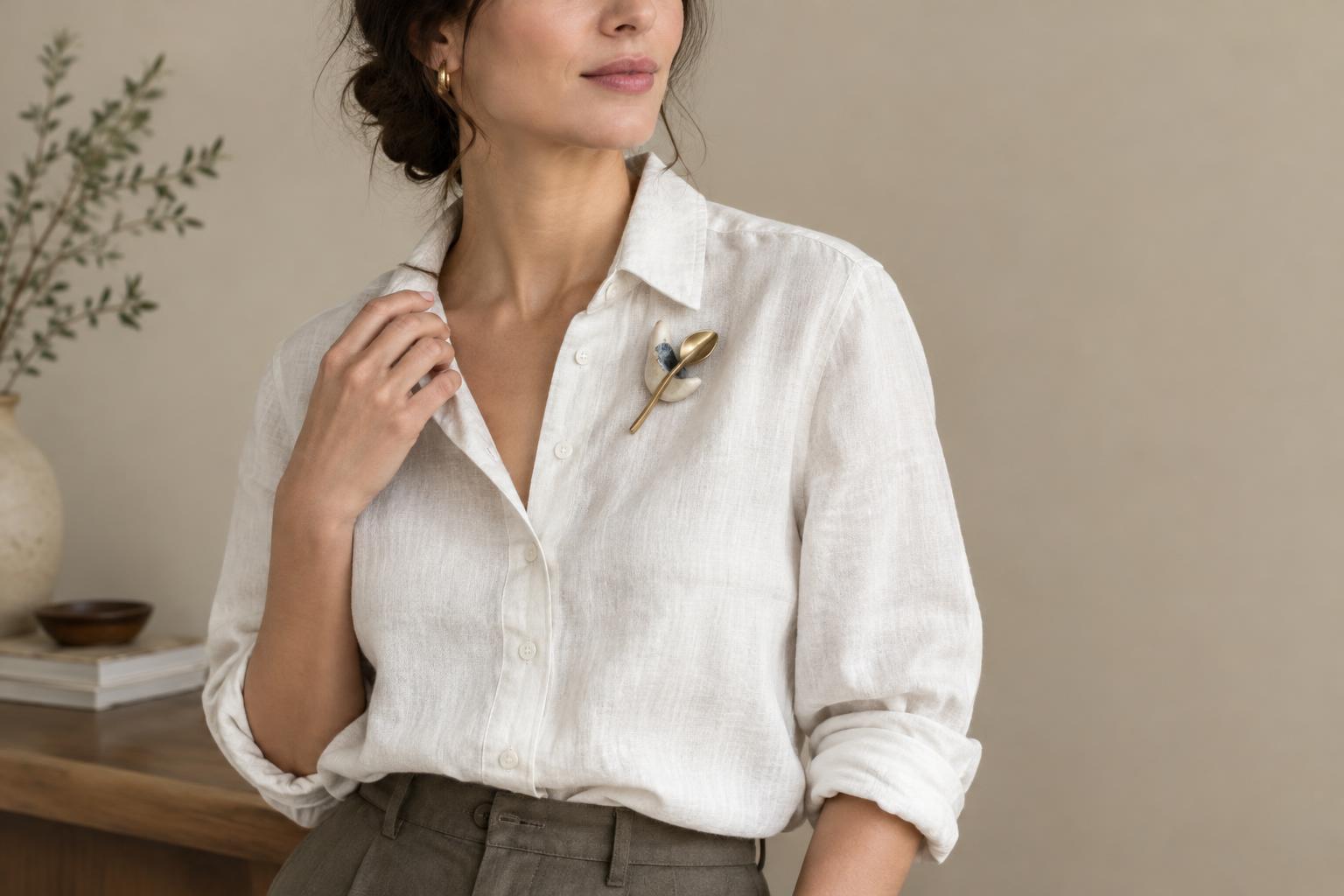
That effect depends on context. A patterned bag may stand out against solid colours but blend into an outfit full of prints. A small silver brooch can feel more expressive than oversized earrings if it sits in an unexpected place. To judge an accessory, look at the whole outfit rather than the object alone. Ask what you notice first, what you notice next and whether that sequence reflects what you want to express.
Scale creates contrast, not just volume
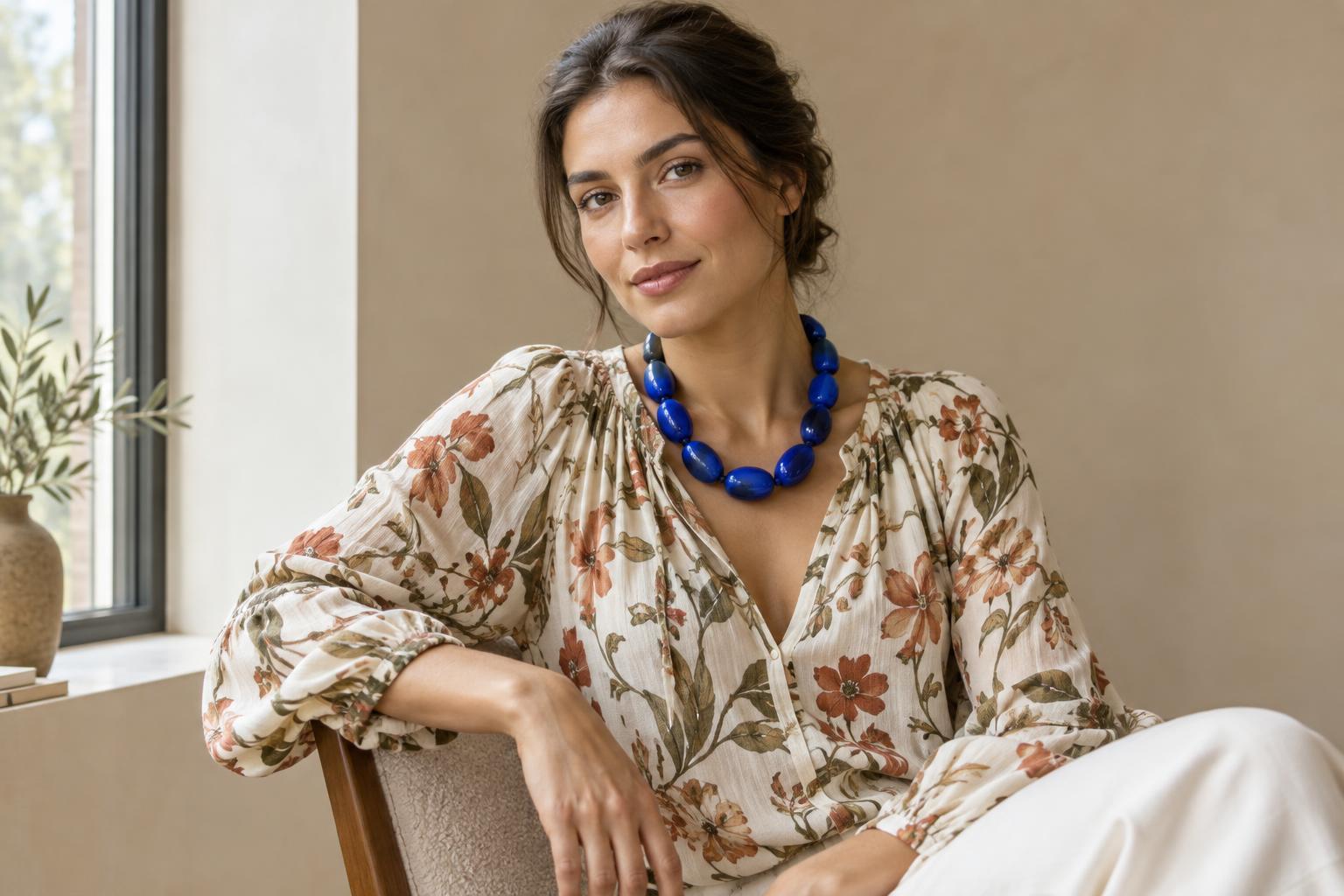
Scale is the size of an accessory in relation to the person wearing it and the clothing around it. An oversized pendant can create an obvious focal point over a plain top. A narrow belt can do the same if it sharply contrasts with a loose, uninterrupted silhouette. Even a tiny charm can command attention when the rest of the outfit has few visible details.
Think beyond a simple choice between large and small. Consider the width of a necklace against a neckline, the shape of a bag against a coat and the space around an accessory. A piece often has more impact when it has room to be seen. If you want to test scale, put on one accessory and look at your outfit from a few steps away. Does the piece remain noticeable? Does it work with the proportions of your clothes, or does it interrupt them in a way you dislike? Both reactions tell you something useful.
Placement directs attention
Where you wear an accessory determines which part of the outfit it emphasizes. Earrings frame the face; a belt draws attention to the middle of an outfit; shoes affect the impression an outfit makes from head to toe. Moving a piece can change its role. A scarf tied close to the neck reads differently from the same scarf wrapped around a bag handle.
Placement can also create surprise. A brooch on a lapel is familiar, while one fastening a scarf or decorating a bag strap may invite a second look. Try moving a single accessory between two or three possible positions before deciding where it belongs. Notice whether it makes the outfit easier to understand or creates visual competition. A useful placement is one you enjoy looking at and can wear comfortably through the day.
Detail gives the piece its character
Details make a statement specific. Colour may be the first thing you notice, but texture, shape, pattern, movement and material combinations can hold attention for longer. A smooth black bag with a sculptural handle tells a different visual story from a soft black bag with fringe. Neither needs to be brighter to feel distinctive.
Look for details that connect with your interests or the impression you want to give. Geometric shapes might bring a sense of structure; irregular forms might feel playful or handmade. These are possibilities, not fixed meanings. You can also create a conversation between an accessory and your clothes: repeat one colour from a print, pair contrasting textures or echo a curved shape in more than one place. The connection gives the eye a reason to move through the outfit.
Build a focal point that still feels like you
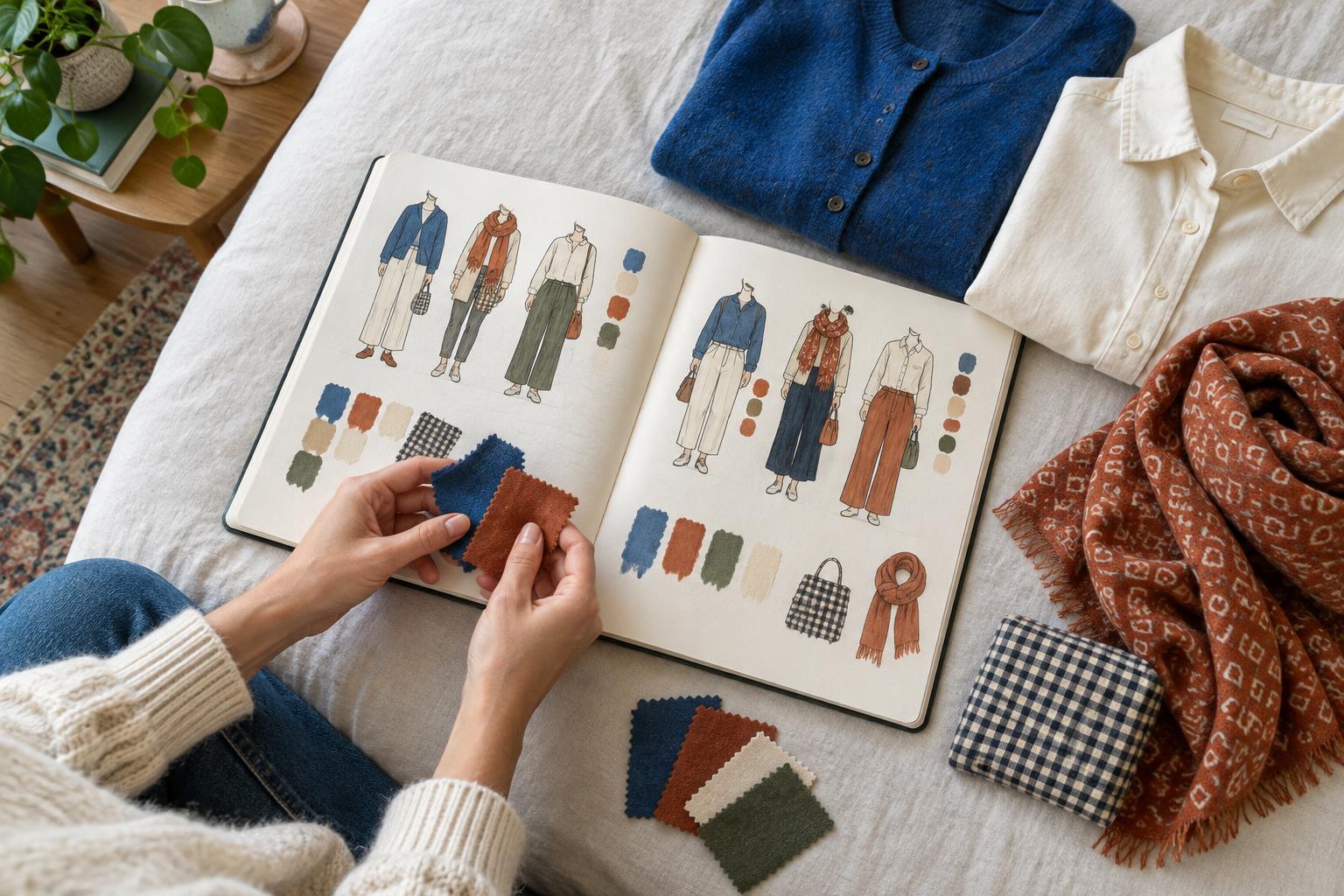
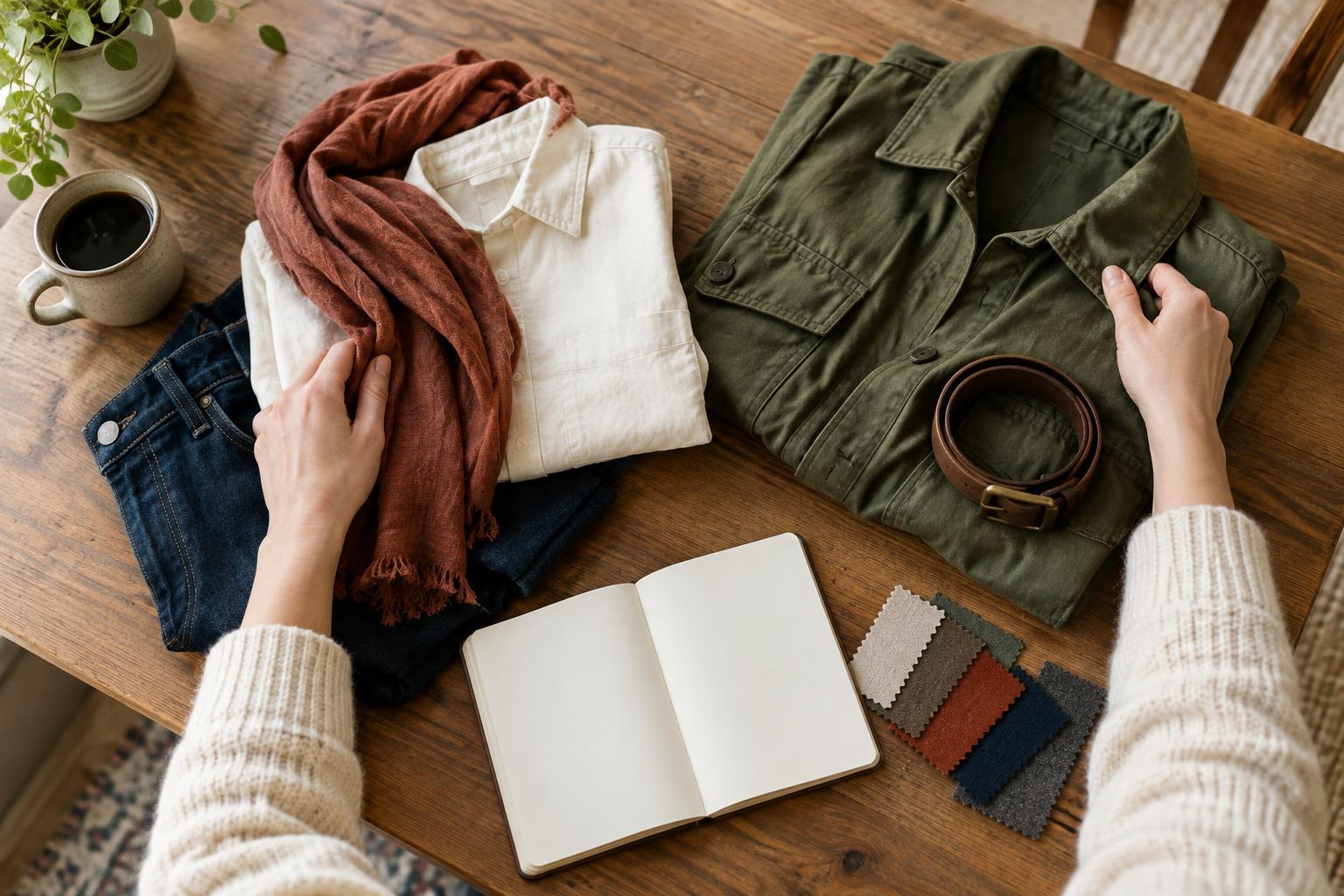
To practice, start with an outfit you already wear and photograph it without accessories. Add one candidate statement piece, then take another photo in similar light. Compare the images: what draws your eye, what changes about the outfit and what still feels like you? Next, try a different piece or move the first one. Changing one thing at a time makes it easier to see whether scale, placement or detail is doing the work.
You do not have to remove every other accessory. Smaller supporting pieces can repeat a colour or finish without demanding equal attention. Nor do you need to choose a dramatic focal point every day. A statement accessory is useful because it lets you decide what to emphasize. The strongest choice is the one that adds meaning to your outfit while remaining practical enough for you to enjoy wearing it.