Let more than one preference be true
Perhaps you reach for a crisp blazer one day and a loose, romantic shirt the next. You admire minimal outfits, yet keep collecting patterned scarves. It can feel as though you need to settle on one direction before you can develop a personal style. You do not. Clothing preferences can reflect different moods, activities and ways you want to be seen. They can also change as you discover what feels comfortable to wear, not just appealing to look at.
Start by replacing “Which one is my real style?” with “What do I enjoy about each one?” A tailored jacket might give you a sense of structure, while a soft shirt offers ease. Neither cancels out the other. Understanding what you value in both gives you more to work with than forcing every garment into a single label.
Look for the need beneath each aesthetic
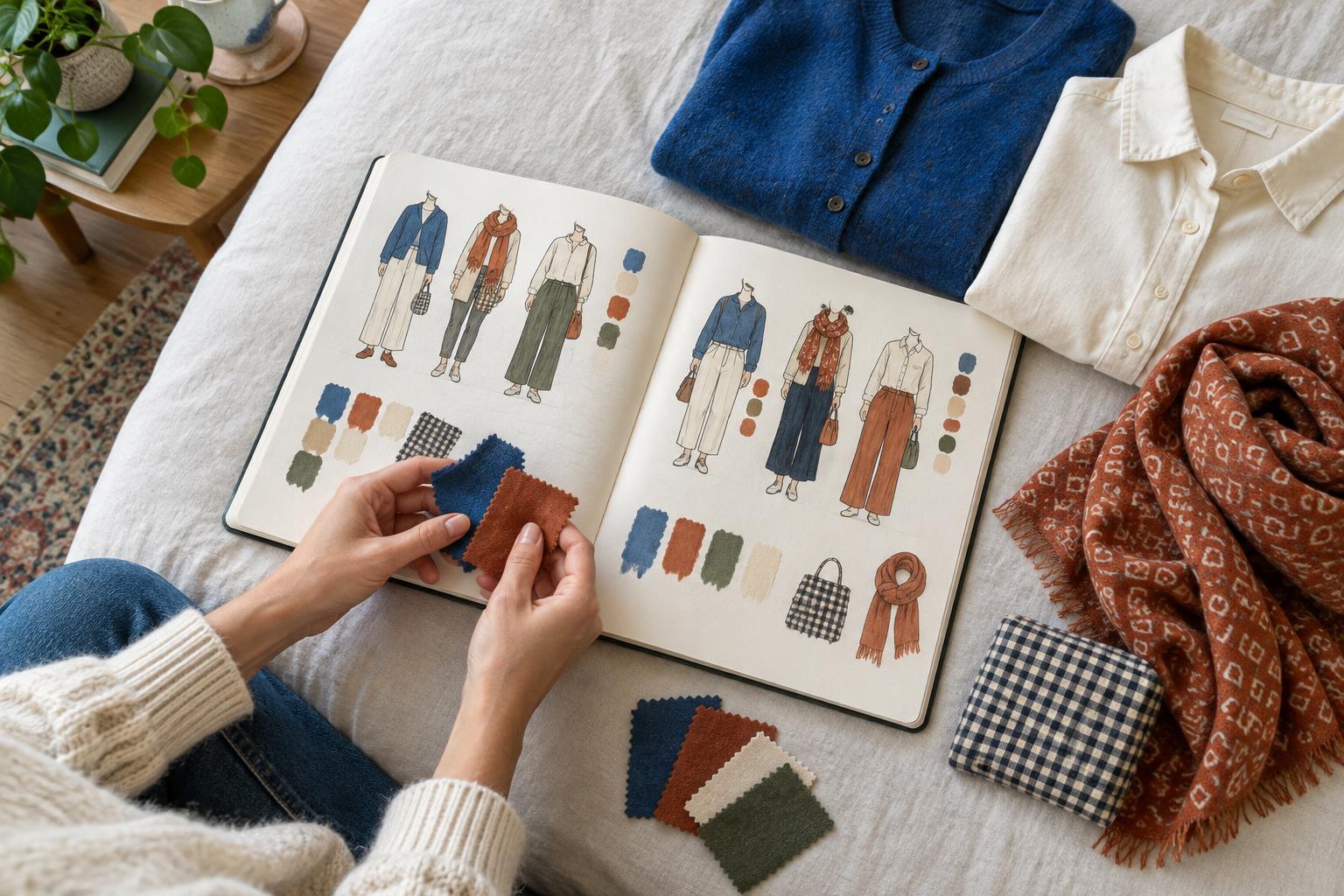
Make two short lists of the styles that seem to conflict. Under each, write specific details you like: a silhouette, fabric, colour, texture or finishing touch. Then write what those details do for you. “I like black boots” tells you less than “I like the solid shape of black boots with delicate clothes.” This exercise can reveal a shared preference hidden beneath very different looks.
You may discover that you like both vivid prints and plain outfits because each makes one part of an ensemble feel deliberate. Or you may find a genuine contrast: some days you want to stand out, and other days you want less visual attention. That is useful information, too. Your wardrobe can serve different needs without looking the same every day.
Notice the difference between an image you enjoy and an item you enjoy wearing. If you admire a dramatic outfit but rarely feel at ease in it, borrow one detail rather than trying to reproduce the whole look.
Try a small contrast within one outfit
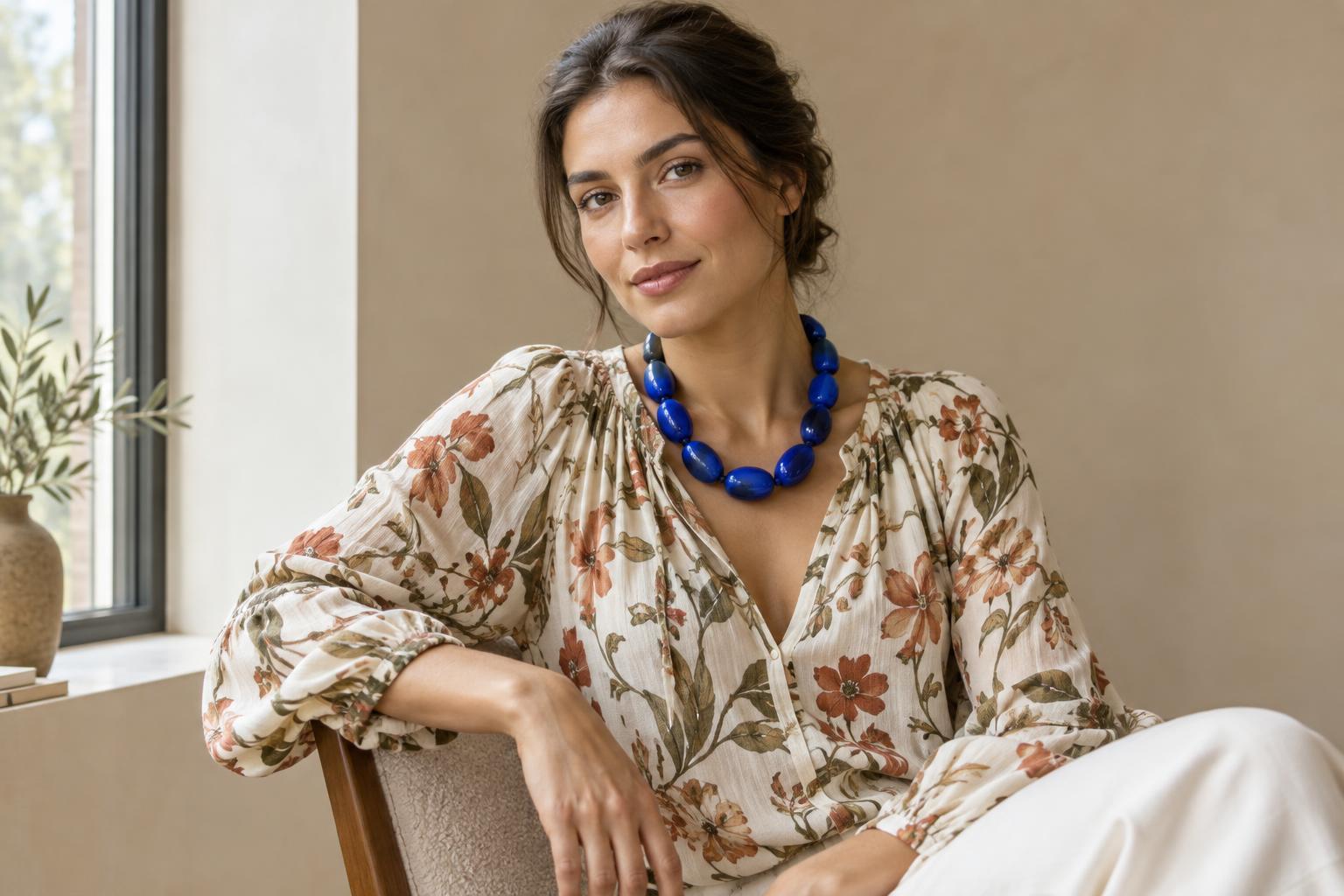
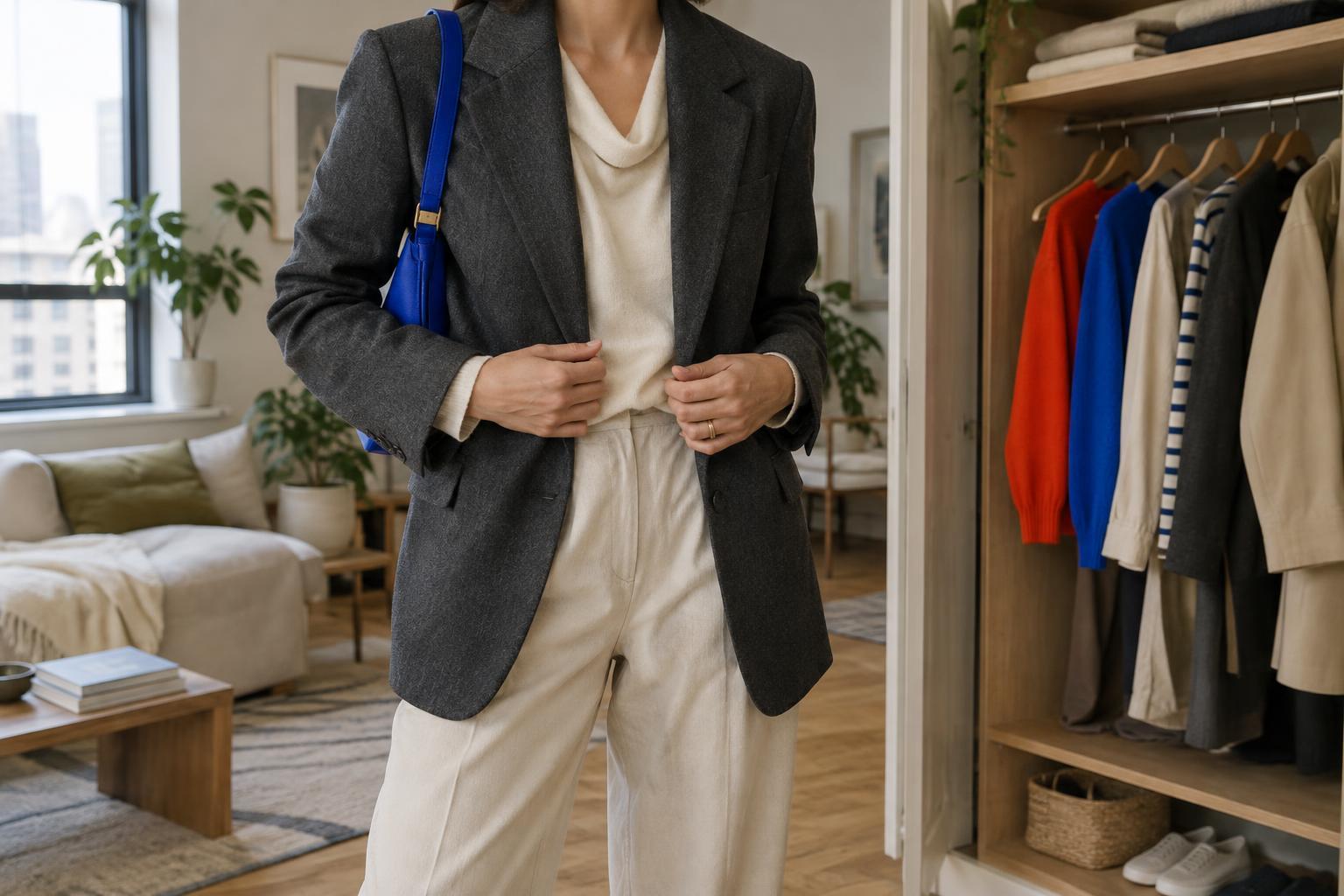
If you want your preferences to meet, begin with one clear contrast. Pair a structured coat with a flowing skirt, a simple outfit with an ornate accessory, or a bright top with quieter trousers. Keeping the rest of the outfit familiar makes it easier to judge whether the combination feels like you, rather than reacting to several new choices at once.
Look for a point of connection between the contrasting pieces. Repeating a colour, choosing similar fabric weights or keeping a consistent silhouette can make an unexpected pairing feel intentional. For example, polished shoes and a crisp bag can connect an otherwise relaxed outfit. These are options, not rules: sometimes the contrast itself is what you enjoy.
Take a photo or make a quick note after wearing the outfit. Record which part you liked, what felt awkward and whether you would wear it again. The aim is not to prove that two styles can coexist in theory. It is to find combinations that work in your actual day.
Give different preferences different jobs
Not every side of your style has to appear in every outfit. You might prefer practical, understated clothing for a busy day and expressive colour when you have more time to get dressed. Or you might keep your clothes simple and let accessories carry the drama. Giving each preference a role can make your wardrobe easier to use without making it less varied.
Try sorting your clothes by the situations in which you reach for them, rather than by aesthetic label. Which pieces suit movement, long days, social occasions or time to experiment? Then look for gaps. If you love playful details but only own them in items you rarely wear, a small accessory you can use often may express that preference more effectively.
You can also create two or three loose outfit formulas, such as “relaxed base plus one sharp detail” or “plain shapes plus bold colour.” A formula offers a starting point on days when you do not want to make every decision from scratch.
Keep a wardrobe that leaves room to change
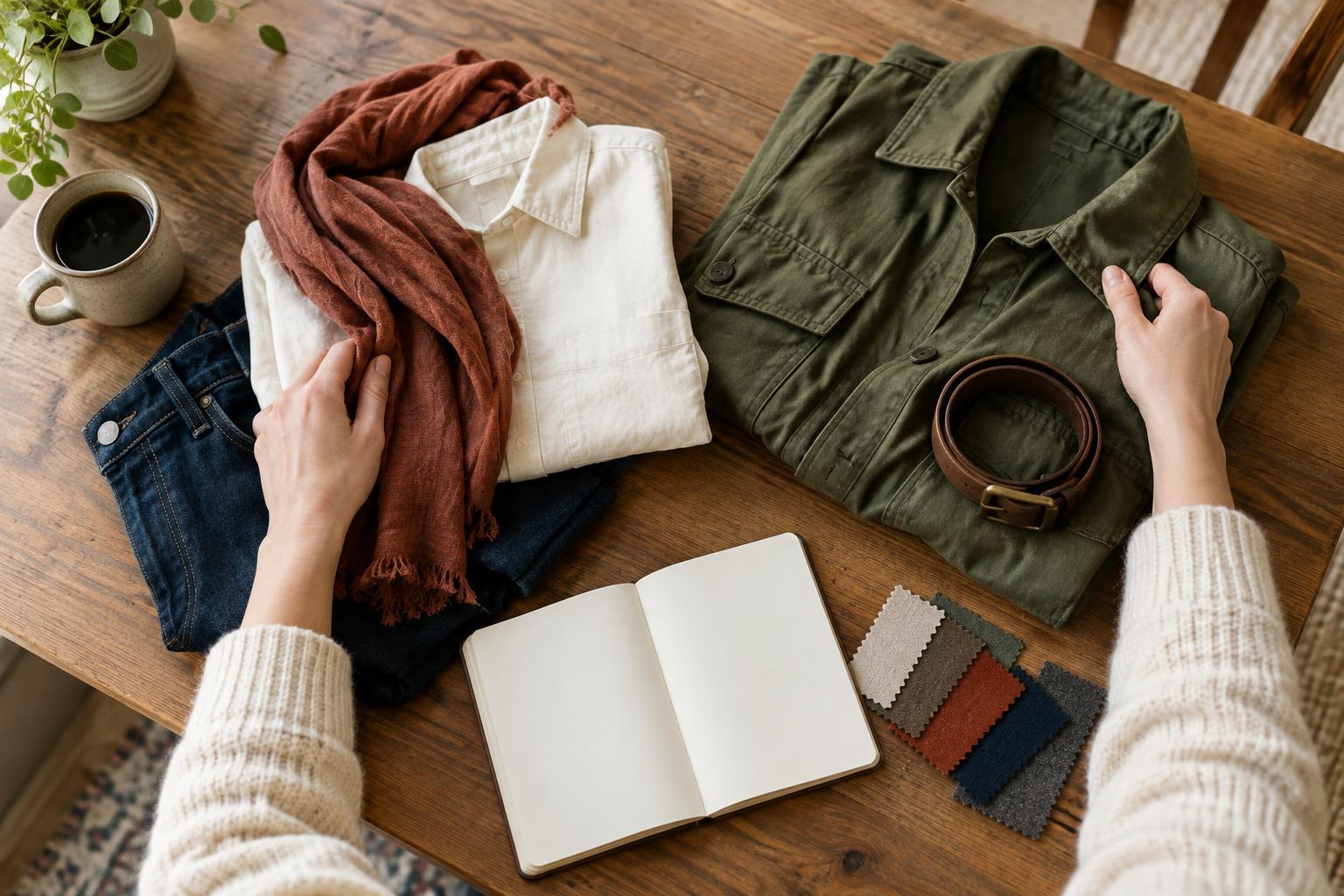
Before buying something to resolve a supposed style conflict, experiment with what you already own. Try three outfits around one piece you find difficult to place. Change only the shoes, outer layer or accessory each time. You may find a way to wear it that connects with your existing wardrobe—or learn that you like the idea of the piece more than the experience of wearing it.
Over time, notice what you repeatedly choose, not just what fits a description of your style. Some preferences may fade; others may become stronger. You do not need to discard a former favourite because it no longer represents you every day. Equally, you do not need to keep it if it has stopped being useful or enjoyable.
A coherent personal style does not have to look identical from one outfit to the next. It can come from making choices you understand: what you want to emphasize, what feels good to wear and which details make an outfit feel like your own.